
California Files Lawsuit to Block Trump’s Rollback of Fuel Economy Standards
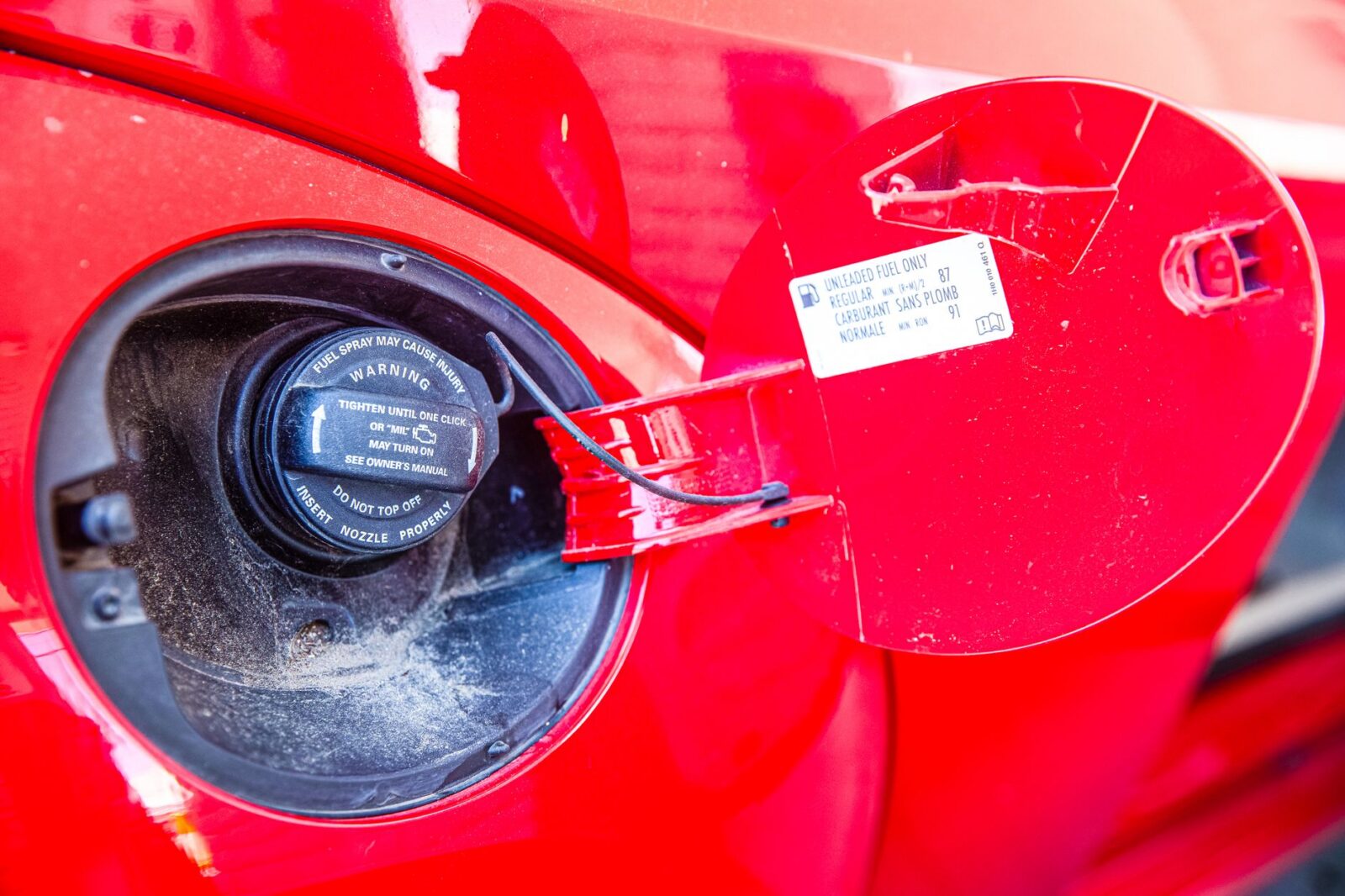
LOS ANGELES — October 2, 2026
In a significant legal move, California has filed a lawsuit aimed at blocking the Trump administration’s recent efforts to weaken federal fuel economy standards. This lawsuit, announced on October 2, 2026, underscores the ongoing battle between state and federal authorities over environmental regulations and has immediate implications for the automotive industry.
The lawsuit was initiated by California Attorney General Rob Bonta, who stated that the rollback of these standards would not only harm the environment but also undermine the state’s longstanding efforts to combat climate change. The legal action was filed in the U.S. District Court for the Northern District of California, where the state seeks to maintain its authority to set stricter emissions standards than those proposed by the federal government.
The Trump administration’s proposed changes, which were announced earlier this week, aim to roll back regulations that require automakers to achieve an average fuel economy of 54.5 miles per gallon by 2025. This rollback is seen as a significant shift from the previous administration’s policies, which had aimed to reduce greenhouse gas emissions and promote fuel efficiency.
California has long positioned itself as a leader in environmental policy, having established its own stringent fuel economy standards under the Clean Air Act. The state’s regulations have often served as a model for other states and have been critical in pushing the automotive industry toward more sustainable practices. The current lawsuit is a direct response to what California officials describe as an attempt to undermine these efforts.
The implications of this lawsuit extend beyond California. If successful, it could set a precedent that allows states to maintain stricter environmental regulations despite federal rollbacks. This case also highlights the broader tensions between state and federal governance regarding climate policy, which have intensified in recent years.
As the lawsuit unfolds, it is expected to draw significant attention from environmental groups, the automotive industry, and policymakers across the nation. The outcome could influence not only California’s regulatory landscape but also the future of fuel economy standards nationwide.
Looking ahead, the court’s decision on this matter could come within the next few months, potentially impacting the automotive industry’s compliance strategies and investment in electric vehicle technology. The case will likely be closely monitored as it could lead to further legal challenges regarding environmental regulations at both state and federal levels.
Source: The New York Times









Ethiopian Federal Forces Retake Key Airport in Tigray’s Capital
The retaking of the airport marks a significant military development in the...
 2 Mins read

Florida Reports Largest Dengue Outbreak in Decades with Over 250 Local Infections
Florida's dengue outbreak has reached alarming levels, marking the largest in decades,...
2 Mins read

Massive Protests Erupt in Spain Following Rejection of Housing Bills
Public outrage surges as Spanish parliament votes down critical housing legislation, igniting...
2 Mins read



Search Underway for Missing Medical Transport Airplane Off Massachusetts Coast
A medical transport airplane has gone missing off the coast of Massachusetts,...
2 Mins read

Leave a comment