
Florida Reports Largest Dengue Outbreak in Decades with Over 250 Local Infections
MIAMI — October 3, 2026
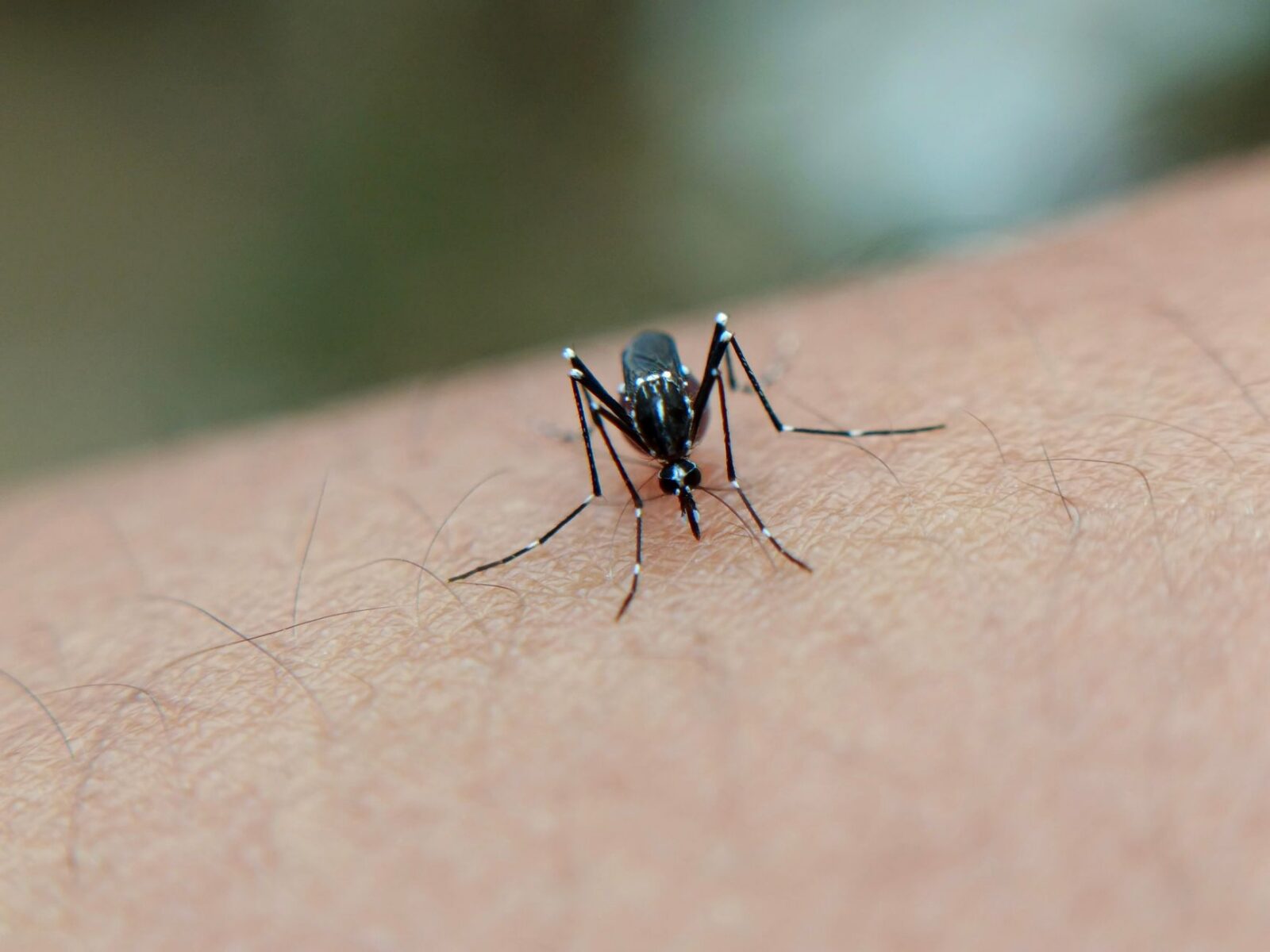
Florida is currently experiencing its largest dengue outbreak in decades, with over 250 confirmed local infections reported as of October 3, 2026. This surge in cases has raised significant public health concerns across the state, prompting health officials to take immediate action.
The Florida Department of Health has confirmed that the outbreak is primarily concentrated in several counties, with Miami-Dade and Broward being the most affected. The increase in dengue cases has been attributed to a combination of factors, including a rise in mosquito populations due to favorable weather conditions and a lack of widespread immunity among the population.
Dengue fever, transmitted by the Aedes aegypti mosquito, can lead to severe flu-like symptoms and, in some cases, can progress to more serious conditions such as dengue hemorrhagic fever. The current outbreak is particularly alarming as it poses a significant risk to public health, especially in densely populated urban areas where mosquito breeding sites are prevalent.
The outbreak was triggered by a combination of environmental factors, including higher-than-average rainfall and warmer temperatures, which have created ideal breeding conditions for mosquitoes. Additionally, the state has seen a rise in travel-related cases, further complicating the situation.
Health officials are urging residents to take preventive measures, such as eliminating standing water around their homes, using mosquito repellent, and wearing protective clothing. The Florida Department of Health has also ramped up public awareness campaigns to educate residents about the risks associated with dengue fever and how to prevent mosquito bites.
This outbreak is receiving heightened attention now due to its unprecedented scale and the potential for further spread. Public health experts are closely monitoring the situation, as the number of cases continues to rise. The last significant dengue outbreak in Florida occurred in 2009, but the current situation is markedly worse, with more than double the number of infections reported.
The implications of this outbreak extend beyond local concerns; it highlights the growing challenges of vector-borne diseases in the United States, particularly in states with warm climates. As climate change continues to influence weather patterns, the risk of similar outbreaks may increase, necessitating a reevaluation of public health strategies and mosquito control measures.
Looking ahead, health officials anticipate that the outbreak could continue to grow if immediate action is not taken. Increased surveillance, community engagement, and potential interventions such as aerial spraying may be implemented to control mosquito populations. The situation remains fluid, and ongoing assessments will be crucial in determining the effectiveness of these measures and the overall trajectory of the outbreak.
Source: independent.co.uk









Ethiopian Federal Forces Retake Key Airport in Tigray’s Capital
The retaking of the airport marks a significant military development in the...
 2 Mins read

Massive Protests Erupt in Spain Following Rejection of Housing Bills
Public outrage surges as Spanish parliament votes down critical housing legislation, igniting...
2 Mins read

Search Underway for Missing Medical Transport Airplane Off Massachusetts Coast
A medical transport airplane has gone missing off the coast of Massachusetts,...
2 Mins read


Florida Faces Largest Dengue Outbreak in Decades
Florida's dengue outbreak raises urgent public health concerns as it becomes the...
2 Mins read

Leave a comment