
G7 Nations Agree to Release 100 Million Barrels of Oil to Combat Rising Fuel Prices
MIAMI — October 3, 2026
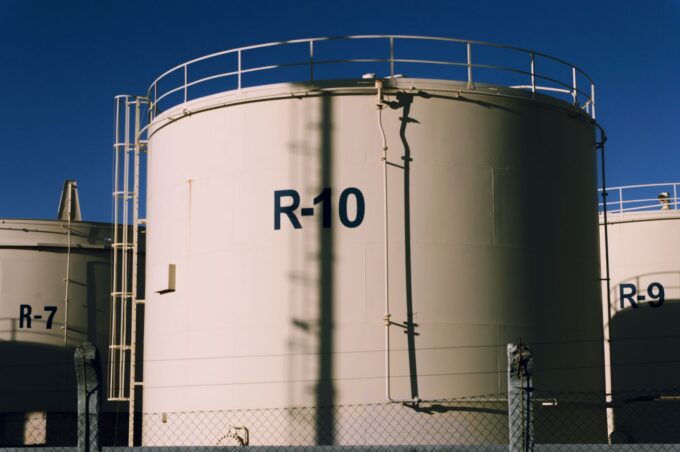
In a decisive move to address the escalating fuel prices that have been troubling consumers and economies worldwide, the G7 nations have agreed to release 100 million barrels of oil and diesel fuel. This agreement, confirmed on October 2, 2026, marks a significant intervention in the global energy market, aiming to stabilize prices that have surged in recent months.
The G7, comprising Canada, France, Germany, Italy, Japan, the United Kingdom, and the United States, reached this consensus during a virtual summit convened to discuss the ongoing energy crisis. The decision comes in the wake of a sharp increase in fuel prices, which have been attributed to a combination of factors including geopolitical tensions, supply chain disruptions, and increased demand as economies recover from the pandemic.
According to reports, the agreement to release these reserves is intended to provide immediate relief to consumers and businesses facing higher costs at the pump. The coordinated effort underscores the G7’s commitment to ensuring energy security and economic stability amid a volatile global market.
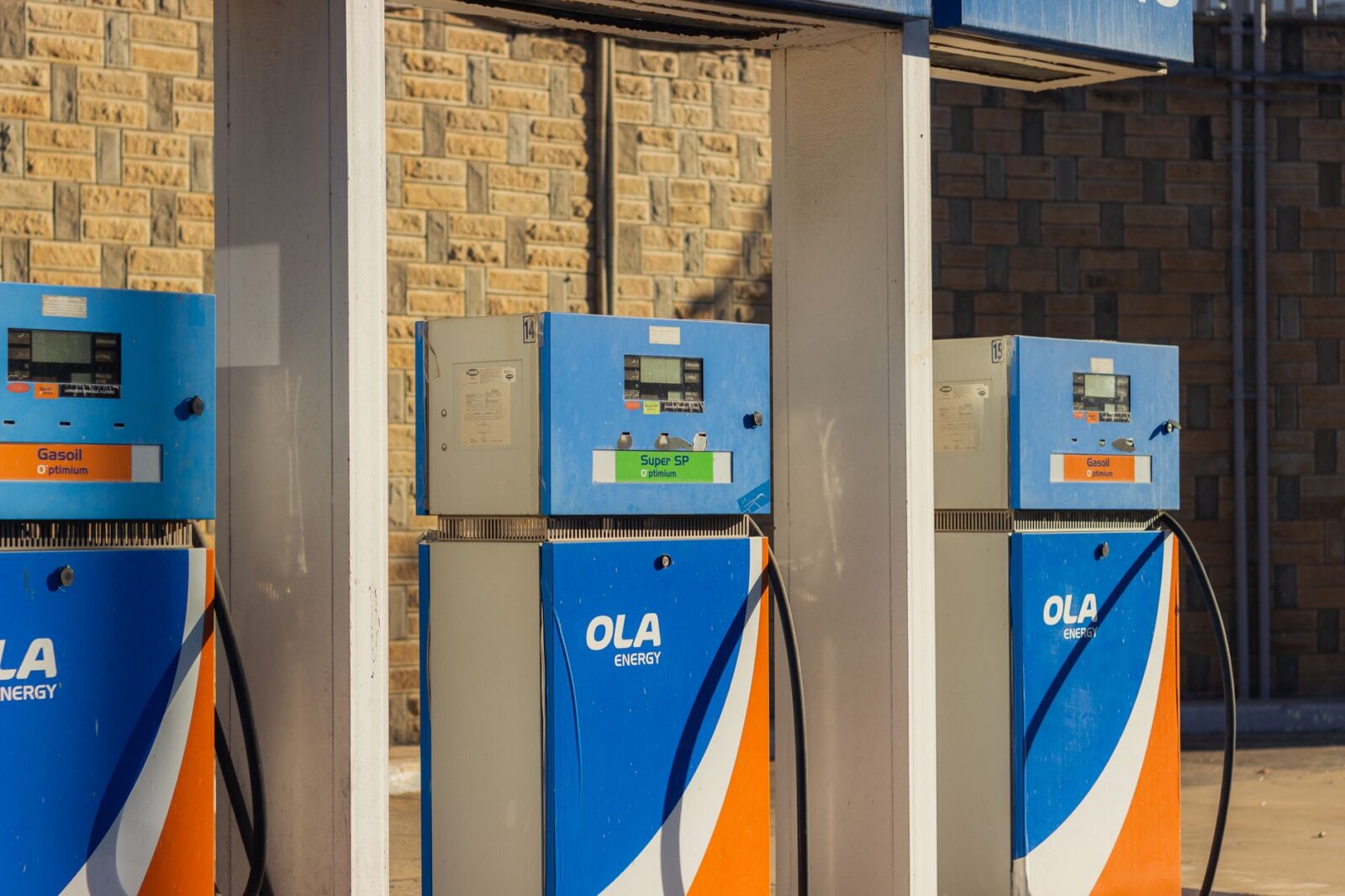
The trigger for this development was the recent spike in fuel prices, which have reached levels not seen in years. For instance, the average price of gasoline in the United States has surged to over $4 per gallon, prompting widespread concern among consumers and policymakers alike. The G7’s decision to tap into strategic reserves is seen as a necessary step to mitigate these pressures.
Financial markets are closely monitoring this situation, as the release of such a substantial volume of oil is expected to influence global oil prices. Analysts suggest that this intervention could lead to a temporary decrease in prices, providing much-needed relief to consumers and potentially easing inflationary pressures that have been affecting various sectors.
This development is receiving heightened attention due to its implications not only for the G7 nations but also for global energy markets. As countries grapple with the dual challenges of rising energy costs and the need for sustainable energy transitions, the G7’s actions may set a precedent for future cooperative measures among major economies.
Looking ahead, the immediate next steps will involve the logistics of releasing the oil reserves, which will require coordination among member nations and relevant energy agencies. Additionally, the G7 will likely continue to monitor the situation closely, with discussions on further measures to ensure energy stability and affordability in the coming months.
In conclusion, the G7’s agreement to release 100 million barrels of oil and diesel fuel is a significant geopolitical and economic development that reflects the urgency of addressing rising fuel prices. As the world watches how this intervention unfolds, its impact on both local and global markets will be closely scrutinized.
Source: Midland Daily News








G7 Agrees to Release 100 Million Barrels of Oil Reserves Amid Geopolitical Tensions
The G7 nations have reached a significant agreement to release 100 million...
 2 Mins read

Amazon’s $1 Billion Investment in Data Center Towns: A Strategic Move for Local Economies
Amazon's AWS has pledged over $1 billion to support U.S. communities hosting...
2 Mins read

Amazon Commits $1 Billion to Data Center Towns Amid AI Race Concerns
Amazon's substantial investment underscores its strategic focus on infrastructure and artificial intelligence,...
2 Mins read


G7 Agrees to Release 100 Million Barrels of Oil and Diesel Amid Fuel Price Pressures
The G7's decision to release oil reserves marks a significant geopolitical maneuver...
2 Mins read

Leave a comment