
G7 Agrees to Release 100 Million Barrels of Oil Reserves Amid Geopolitical Tensions
MIAMI — October 3, 2026
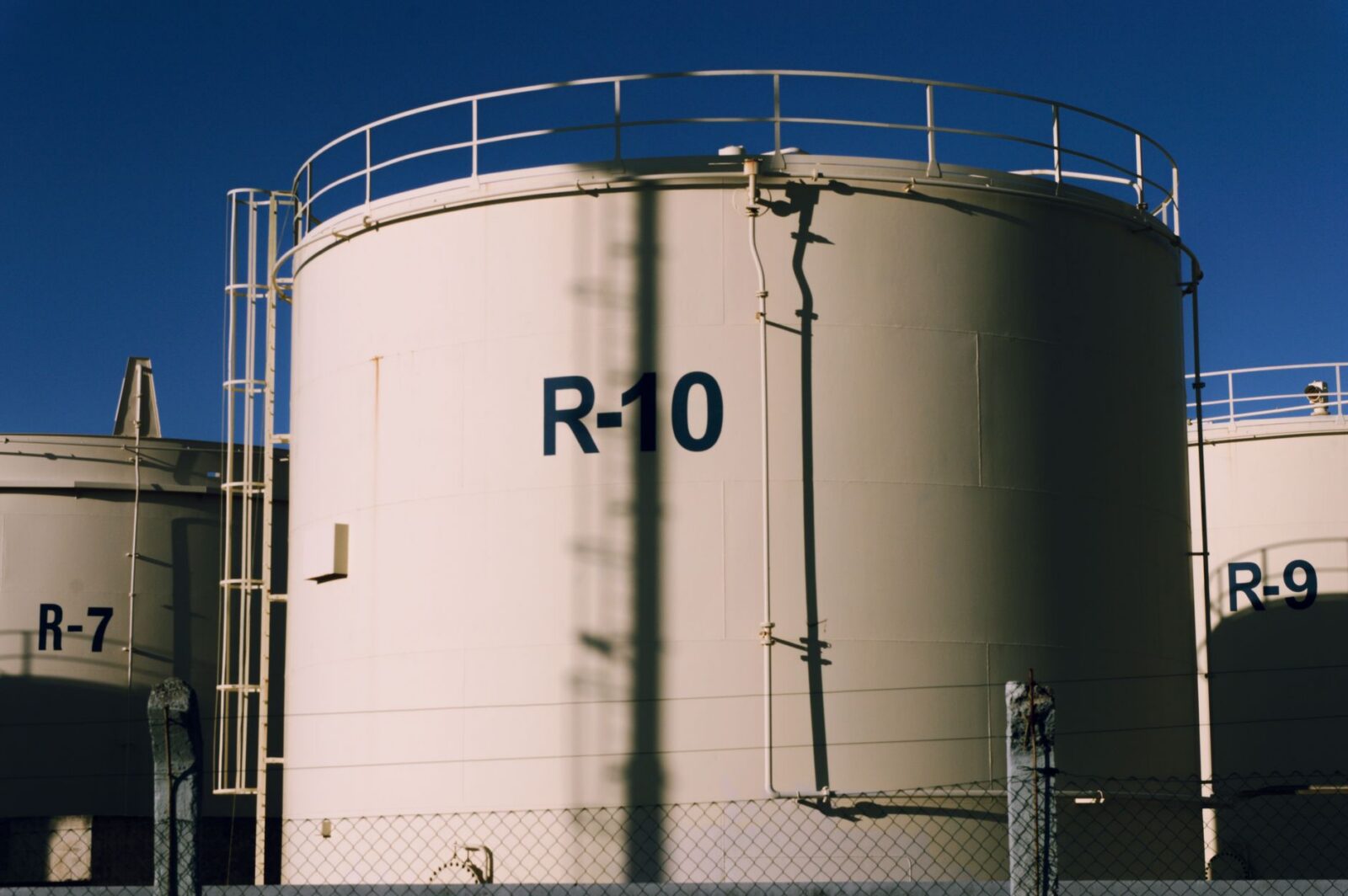
In a decisive move reflecting the ongoing geopolitical tensions, the Group of Seven (G7) nations have agreed to release 100 million barrels of oil and diesel reserves. This decision comes in direct response to threats made by former President Donald Trump regarding potential export bans on oil, which could significantly disrupt global energy markets.
The agreement was finalized on October 2, 2026, during a virtual summit attended by leaders from Canada, France, Germany, Italy, Japan, the United Kingdom, and the United States. The release of these reserves is intended to stabilize oil prices and ensure energy security amid rising concerns over supply disruptions.
The immediate trigger for this unprecedented release was Trump’s recent statements suggesting that he might impose restrictions on oil exports, a move that could exacerbate existing supply chain issues and lead to soaring prices. The G7’s response underscores the collective commitment of these nations to counteract any unilateral actions that threaten global economic stability.
According to the U.S. Energy Information Administration (EIA), the global oil market is already facing challenges due to geopolitical tensions, including conflicts in Eastern Europe and the Middle East. The G7’s decision to tap into their strategic reserves is seen as a necessary step to mitigate potential shocks to the market.
This release is significant not only for its immediate impact on oil prices but also for the broader implications it holds for international relations. The G7’s coordinated response signals a unified front against protectionist policies that could destabilize the global economy. The decision also highlights the importance of multilateral cooperation in addressing shared challenges, particularly in the energy sector.
As the situation develops, market analysts will be closely monitoring the effects of this reserve release on oil prices, which have been volatile in recent months. The G7’s action may provide temporary relief, but the long-term implications of Trump’s threats and the potential for further geopolitical tensions remain uncertain.
Looking ahead, the G7 nations are expected to continue discussions on energy security and economic cooperation, with a focus on ensuring that such geopolitical threats do not undermine global stability. Future summits may address additional measures to enhance resilience in energy supply chains and promote sustainable energy practices.
In conclusion, the G7’s agreement to release 100 million barrels of oil and diesel reserves is a critical response to emerging geopolitical threats. It serves as a reminder of the interconnectedness of global markets and the necessity for collaborative approaches to safeguard economic interests.
Source: BBC








G7 Nations to Release 100 Million Barrels of Oil and Diesel Following US Pressure
The G7 countries have agreed to release 100 million barrels of oil...
 1 Mins read
G7 Nations Announce Release of Diesel Stocks Amid Rising Oil Prices
The G7 countries have pledged to release diesel stocks to combat escalating...
2 Mins read

Amazon’s $1 Billion Investment in Data Center Towns: A Strategic Move for Local Economies
Amazon's AWS has pledged over $1 billion to support U.S. communities hosting...
2 Mins read



Amazon Commits $1 Billion to Data Center Towns Amid AI Race Concerns
Amazon's substantial investment underscores its strategic focus on infrastructure and artificial intelligence,...
2 Mins read

Leave a comment