
Collapse of Iconic 90-Foot Sea Arch in Hawaii’s Volcanoes National Park
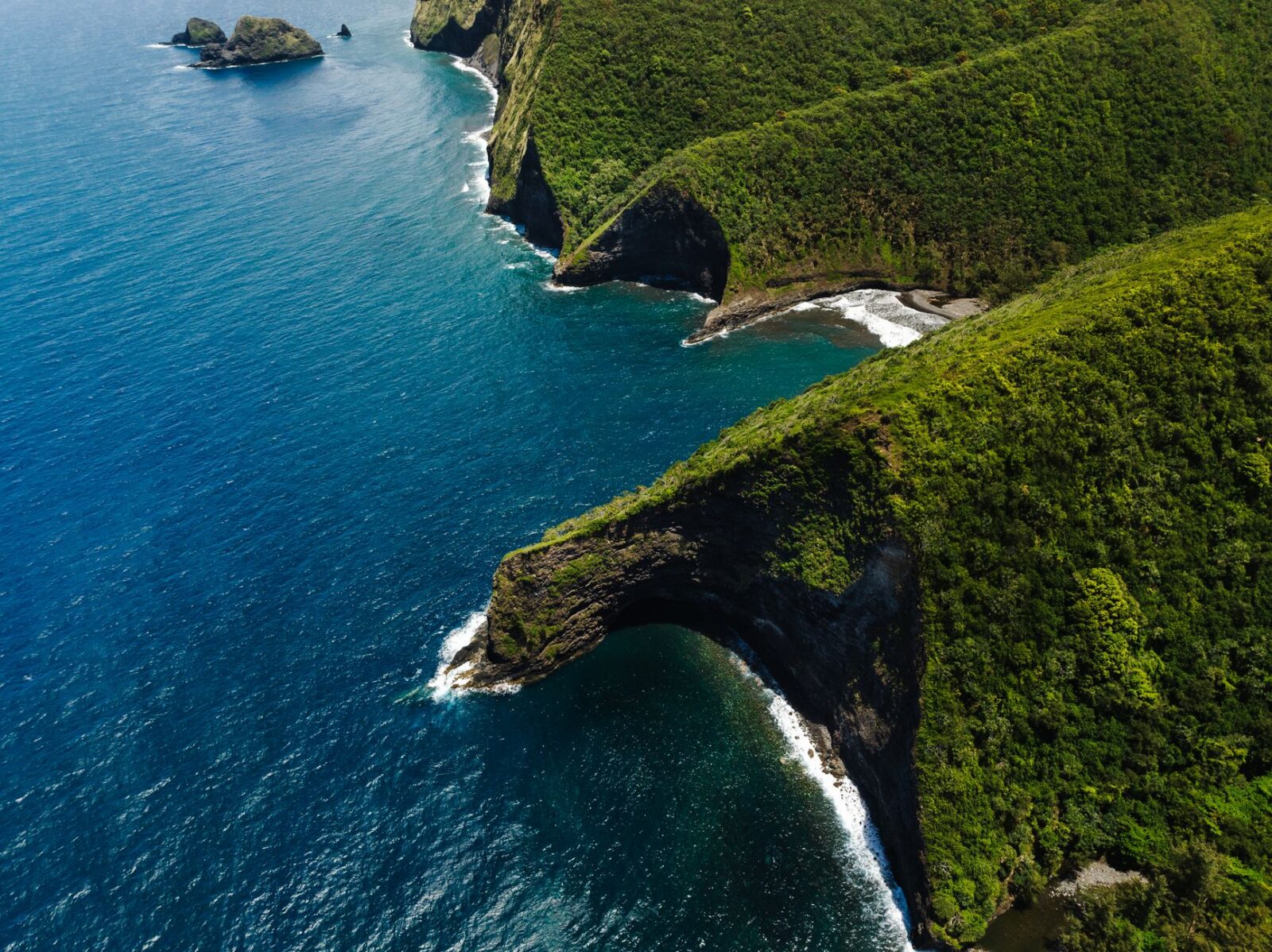
HILO, HAWAII — October 2, 2026
The iconic 90-foot sea arch located in Hawaii’s Volcanoes National Park has collapsed into the Pacific Ocean, marking a significant environmental event that has implications for both local ecosystems and tourism. The collapse occurred on October 2, 2026, and has drawn immediate attention from environmentalists, local authorities, and the tourism industry.
The sea arch, a natural formation that has been a popular attraction for visitors to the park, succumbed to erosion exacerbated by recent climatic conditions, including increased wave activity and rising sea levels. This event is particularly concerning given the ongoing discussions about climate change and its impact on coastal landscapes.
Officials from the National Park Service confirmed the collapse, stating that while the arch had been a prominent feature of the park, natural processes had been gradually undermining its structural integrity. “The collapse of the arch is a stark reminder of the forces of nature and the changes we are witnessing in our environment,” said a spokesperson for the park.
The collapse is expected to have immediate repercussions for tourism in the region. The sea arch was a significant draw for visitors, contributing to the local economy through park entrance fees and related tourism activities. Local businesses that rely on tourist traffic may face challenges as the park reassesses its attractions and visitor engagement strategies.
Environmental experts have raised concerns about the broader implications of the collapse. The loss of the arch may disrupt local ecosystems, particularly those that depend on the unique geological formations for habitat. Additionally, the event highlights the urgent need for comprehensive studies on coastal erosion and climate resilience strategies in Hawaii.
This incident is receiving heightened attention now as it coincides with ongoing discussions about environmental conservation and climate change adaptation strategies in Hawaii and beyond. The state has been actively engaged in initiatives aimed at protecting its natural resources, and the collapse of the sea arch may serve as a catalyst for renewed focus on these efforts.
Looking ahead, it is likely that the National Park Service will conduct a thorough assessment of the site to evaluate the environmental impact of the collapse and to determine necessary measures for future preservation. Additionally, local stakeholders may convene to discuss the implications for tourism and potential strategies to mitigate economic losses.
In conclusion, the collapse of the 90-foot sea arch is not just a loss of a natural landmark; it is a significant event that underscores the challenges posed by climate change and the need for proactive measures to protect Hawaii’s unique environment and economy.
Source: KTVF Fairbanks








Hawaii’s Iconic Sea Arch Collapses into the Pacific Ocean
The collapse of a historic sea arch in Hawaii marks a significant...
 2 Mins read

Study Links GLP-1 Medications to Hair Loss in Men
A new study raises concerns about the potential side effects of GLP-1...
2 Mins read



Clashes Erupt as Education Protests Intensify Across France
Riot police engage with students amid escalating education protests in France, raising...
1 Mins read

City Hotels in India Experience Growth Driven by Weekend Getaways
The rise in popularity of weekend getaways is fueling significant growth in...
2 Mins read
Leave a comment