
Hawaii’s Iconic Sea Arch Collapses into the Pacific Ocean
HILO, Hawaii — October 3, 2026
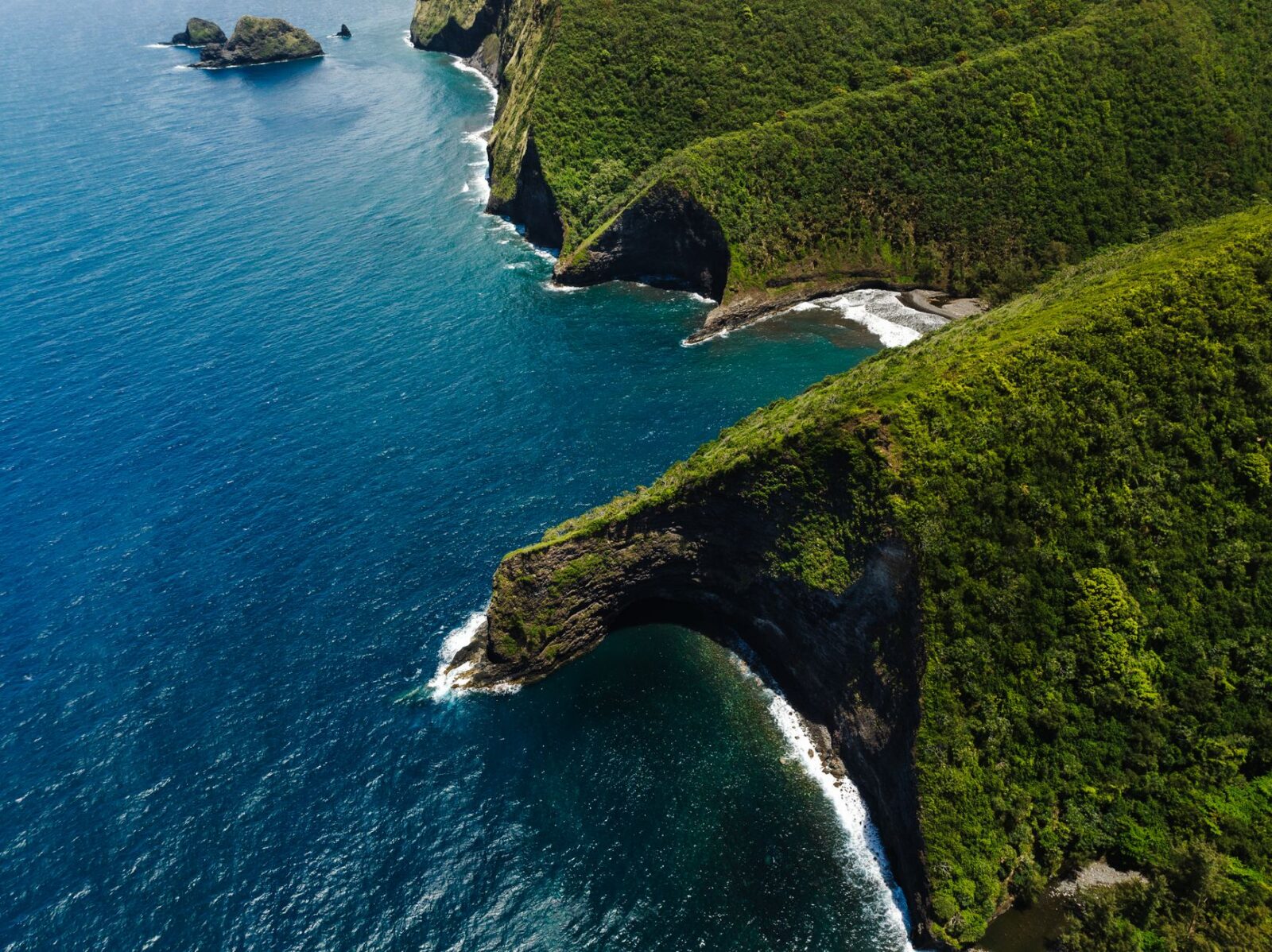
In a dramatic geological event, a renowned sea arch located on the Big Island of Hawaii has collapsed into the Pacific Ocean. This natural landmark, which had stood for approximately 550 years, succumbed to the relentless forces of nature, marking a poignant moment for both the local community and environmentalists.
The collapse occurred early on October 3, 2026, and was confirmed by the Hawaii Department of Land and Natural Resources. The arch, known for its stunning views and cultural significance, was a popular destination for tourists and locals alike, symbolizing the unique geological features of the Hawaiian Islands.
Officials have stated that the collapse was likely triggered by a combination of natural erosion processes exacerbated by recent high surf conditions. The arch had been monitored for signs of instability, but its sudden failure took many by surprise. The event has raised concerns about the stability of other coastal formations in the region, particularly as climate change continues to impact sea levels and weather patterns.
Directly involved in the aftermath are local environmental groups, tourism officials, and cultural practitioners who view the arch as a significant part of Hawaii’s natural heritage. The Hawaii Tourism Authority has expressed its commitment to promoting sustainable tourism practices to protect the remaining natural landmarks and educate visitors about the fragility of these ecosystems.
This incident is receiving heightened attention due to its implications for both environmental conservation and cultural identity. The sea arch was not only a geological marvel but also a site of cultural significance for Native Hawaiians, who have long revered the natural landscape as part of their heritage. The loss of such a landmark underscores the urgent need for conservation efforts in the face of climate change and human impact on the environment.
The collapse of the sea arch matters on multiple levels. Locally, it represents a loss of a beloved natural feature that attracted visitors and contributed to the island’s economy. Nationally, it highlights the broader challenges faced by coastal regions across the United States as they grapple with the effects of climate change. Globally, the event serves as a stark reminder of the vulnerability of natural wonders and the need for concerted efforts to protect them.
Looking ahead, local authorities and environmental organizations are expected to convene to discuss the implications of the collapse and explore strategies for protecting other vulnerable coastal formations. There may also be increased advocacy for policies aimed at mitigating climate change impacts, as well as initiatives to enhance public awareness about the importance of preserving natural landmarks.
Source: CBS News









Collapse of Iconic 90-Foot Sea Arch in Hawaii’s Volcanoes National Park
The recent collapse of a famed sea arch in Hawaii raises significant...
 2 Mins read

Study Links GLP-1 Medications to Hair Loss in Men
A new study raises concerns about the potential side effects of GLP-1...
2 Mins read



Clashes Erupt as Education Protests Intensify Across France
Riot police engage with students amid escalating education protests in France, raising...
1 Mins read

City Hotels in India Experience Growth Driven by Weekend Getaways
The rise in popularity of weekend getaways is fueling significant growth in...
2 Mins read
Leave a comment