
Florida Faces Worst Dengue Fever Outbreak in Decades with Over 250 Cases
MIAMI — October 3, 2026
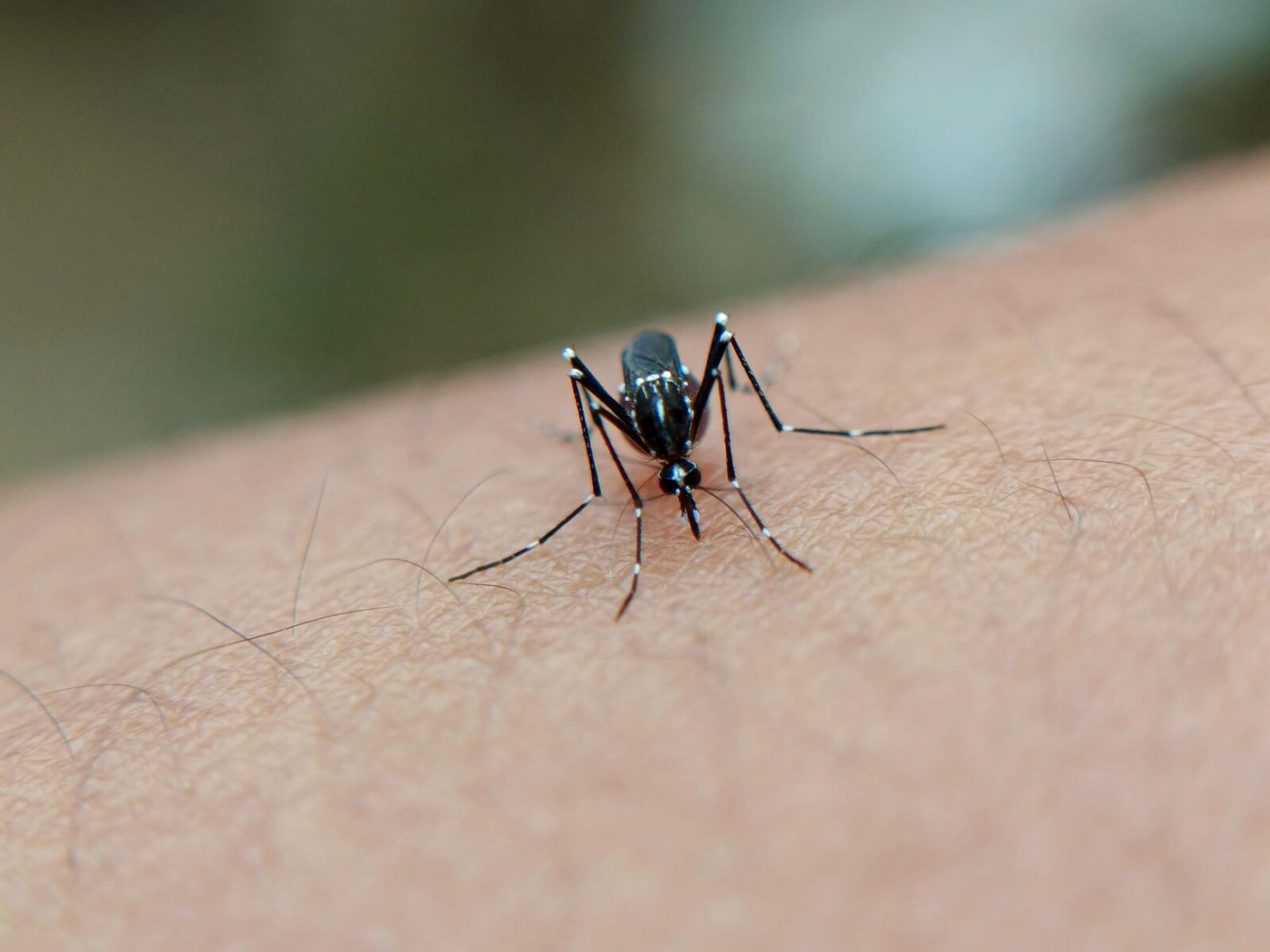
Florida is currently grappling with a severe outbreak of dengue fever, with reported cases exceeding 250, marking the worst incidence of the disease in decades. This alarming development has raised significant public health concerns and has implications for local and national health policies.
The outbreak was officially reported on October 3, 2026, and has been confirmed by health authorities across the state. The Florida Department of Health has been actively monitoring the situation, providing updates and guidance to the public on preventive measures. The surge in cases has been attributed to a combination of factors, including increased mosquito populations and favorable weather conditions that facilitate the spread of the virus.
Directly involved in this public health crisis are the Florida Department of Health, local health departments, and the Centers for Disease Control and Prevention (CDC), which has been providing support and resources to manage the outbreak. The state health officials have emphasized the importance of community awareness and preventive actions, such as eliminating standing water where mosquitoes breed and using insect repellent.
The trigger for this outbreak appears to be a confluence of environmental factors, including a particularly warm and wet summer, which has created ideal breeding conditions for Aedes mosquitoes, the primary vectors for dengue fever. Additionally, the increase in international travel may have contributed to the introduction of the virus into local populations.
As of the latest reports, the outbreak has prompted local governments to consider emergency measures, including increased mosquito control efforts and public health campaigns aimed at educating residents about the risks associated with dengue fever. The financial implications of this outbreak are significant, as local health departments may face increased costs related to vector control and public health outreach.
This story is receiving heightened attention now due to the rapid increase in cases and the potential for further spread, particularly as Florida enters its peak tourist season. The implications of this outbreak extend beyond state lines, as it raises concerns about the potential for dengue fever to become endemic in the continental United States, a situation that could have far-reaching public health consequences.
Looking ahead, health officials are likely to intensify their efforts to control mosquito populations and educate the public on preventive measures. The situation will be closely monitored, with updates expected from health authorities as they assess the effectiveness of current interventions. If the outbreak continues to escalate, it may prompt further action at the state and federal levels, including potential funding for public health initiatives aimed at combating vector-borne diseases.
Source: SSBCrack







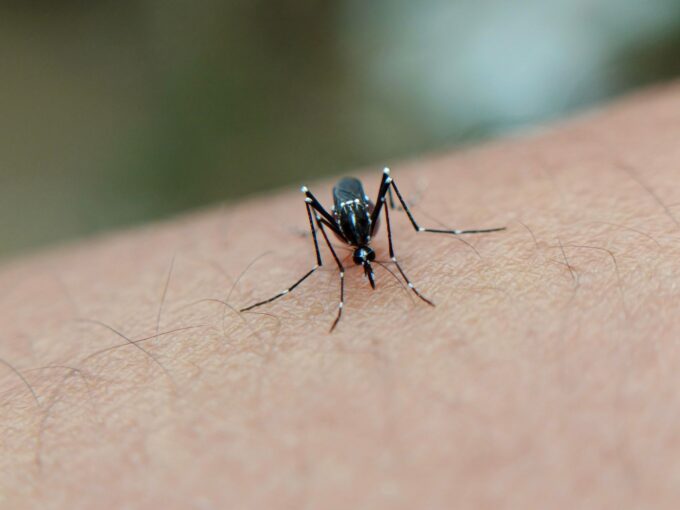
Florida Declares Emergency as Dengue Fever Cases Surge to Record High
The dengue outbreak in Florida has reached a record 252 cases, prompting...
 2 Mins read

Coast Guard Searches for Missing Medical Transport Jet Near Nantucket
A medical transport jet with six people on board has gone missing,...
1 Mins read

Search Continues for Missing Medical Plane Near Nantucket with Six on Board
Ongoing search efforts are underway for a medical plane that went missing...
2 Mins read



Tennessee Prisons Chief Frank Strada Resigns Following Failed Executions
Frank Strada's resignation raises critical questions about Tennessee's execution protocols and the...
2 Mins read

Leave a comment