
Florida Declares Emergency as Dengue Fever Cases Surge to Record High
MIAMI — October 3, 2026
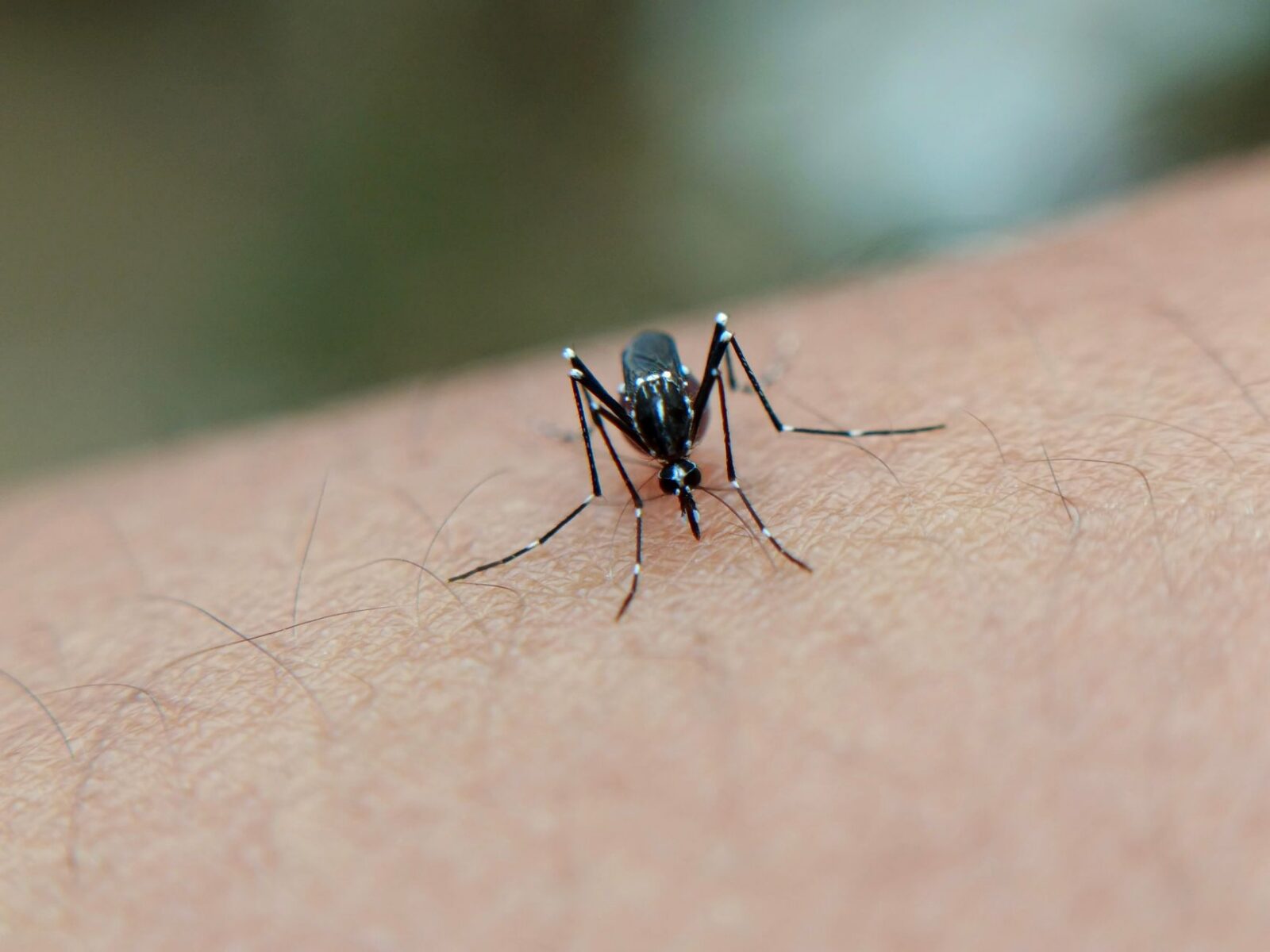
Florida is grappling with a significant public health crisis as the state has declared emergencies in response to a record outbreak of dengue fever, which has now reached 252 confirmed cases. This alarming development has raised concerns among health officials and the public alike, highlighting the urgent need for effective measures to control the spread of this mosquito-borne illness.
The outbreak was officially reported on October 3, 2026, with emergency declarations issued in several counties, including Miami-Dade, Broward, and Palm Beach. These declarations are a direct response to the unprecedented number of cases, which have surpassed previous records and indicate a troubling trend in the state’s public health landscape.
Health officials from the Florida Department of Health (FDOH) are actively involved in managing the outbreak. They have emphasized the importance of public awareness and preventive measures, urging residents to eliminate standing water where mosquitoes breed and to use insect repellent to protect against bites. The FDOH has also initiated community outreach programs to educate the public about the symptoms of dengue fever, which include high fever, severe headaches, joint and muscle pain, and rash.
The surge in dengue cases is attributed to a combination of factors, including climatic conditions that favor mosquito breeding and the increased mobility of populations. The Aedes aegypti mosquito, which transmits the virus, thrives in warm, humid environments, making Florida particularly susceptible to outbreaks during the warmer months.
This outbreak has garnered significant attention due to its implications for public health and safety. The rapid increase in cases poses a challenge not only to local health systems but also raises concerns about the potential for further spread, particularly as Florida is a major tourist destination. The economic impact of a widespread dengue outbreak could be substantial, affecting tourism and local businesses.
As the situation develops, health officials are closely monitoring the outbreak and may implement additional measures if necessary. This could include increased mosquito control efforts, public health campaigns, and possibly even travel advisories if the outbreak continues to escalate.
In conclusion, the dengue fever outbreak in Florida is a critical public health issue that requires immediate attention and action. The state’s response will be pivotal in controlling the spread of the virus and protecting the health of its residents and visitors alike. As the situation evolves, stakeholders at all levels will need to remain vigilant and responsive to the challenges posed by this outbreak.
Source: Baller Alert







Florida Faces Worst Dengue Fever Outbreak in Decades with Over 250 Cases
The dengue fever outbreak in Florida has surpassed 250 cases, marking a...
 2 Mins read

Coast Guard Searches for Missing Medical Transport Jet Near Nantucket
A medical transport jet with six people on board has gone missing,...
1 Mins read

Search Continues for Missing Medical Plane Near Nantucket with Six on Board
Ongoing search efforts are underway for a medical plane that went missing...
2 Mins read



Tennessee Prisons Chief Frank Strada Resigns Following Failed Executions
Frank Strada's resignation raises critical questions about Tennessee's execution protocols and the...
2 Mins read

Leave a comment