
Used Car Prices Decline in Q3 Amid Rising Demand for Fuel-Efficient Vehicles
MIAMI — October 7, 2026
In a significant development for the automotive market, used car prices have fallen in the third quarter of 2026, while demand for fuel-efficient vehicles has notably increased. This trend, reported by CNBC on October 7, 2026, highlights a pivotal shift in consumer preferences and market dynamics.
The decline in used car prices is attributed to several factors, including an increase in new vehicle inventory and changing consumer behavior influenced by rising fuel costs and environmental concerns. According to industry analysts, the average price of used cars has decreased by approximately 8% compared to the previous quarter, marking a substantial adjustment in the market.
As of Q3 2026, the average price of a used vehicle is reported to be around $28,000, down from $30,400 in Q2. This decline is significant, especially considering the inflated prices seen during the pandemic when supply chain disruptions led to a scarcity of vehicles. The current market conditions suggest a stabilization as manufacturers ramp up production and supply chains recover.
Simultaneously, the demand for fuel-efficient vehicles has surged, driven by consumers’ increasing awareness of fuel economy and the rising costs of gasoline. Reports indicate that sales of hybrid and electric vehicles have risen by 15% in the same quarter, reflecting a broader trend towards sustainability and cost-effectiveness in transportation.
Key players in the automotive industry, including major manufacturers like Toyota and Tesla, are responding to this shift by expanding their offerings of fuel-efficient models. This strategic pivot not only caters to consumer demand but also aligns with global efforts to reduce carbon emissions and combat climate change.
The implications of these trends are significant for both consumers and the automotive industry. For consumers, lower used car prices present an opportunity to purchase vehicles at more accessible price points, while the increased availability of fuel-efficient options allows for more environmentally conscious choices. For the automotive industry, these shifts may necessitate adjustments in production strategies and marketing approaches to align with evolving consumer preferences.
Looking ahead, industry experts predict that the trend of declining used car prices may continue into the next quarter, particularly if new vehicle inventories remain stable. Additionally, as fuel prices fluctuate, the demand for fuel-efficient vehicles is expected to persist, potentially reshaping the automotive landscape in the coming years.
This development matters not only for the local Miami market but also on a national scale, as it reflects broader economic trends and consumer behaviors that could influence automotive policies and environmental regulations. The ongoing evolution of the automotive market underscores the importance of adaptability in an industry that is increasingly driven by consumer preferences and sustainability initiatives.
Source: CNBC







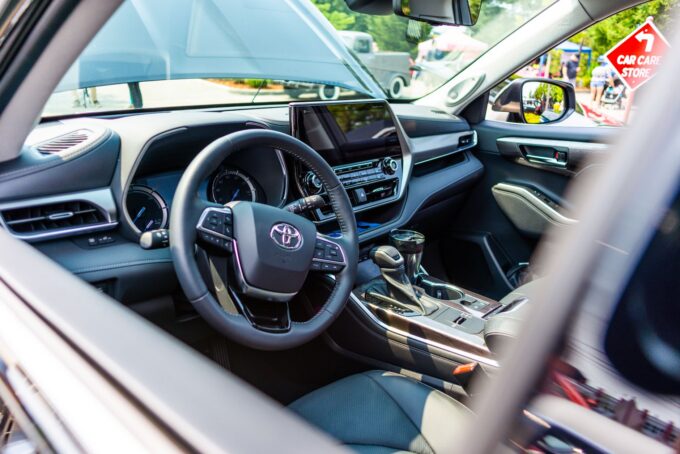
2026 Toyota bZ Review: A New Era in Electric Vehicles
The review of the 2026 Toyota bZ marks a significant milestone in...
 1 Mins read
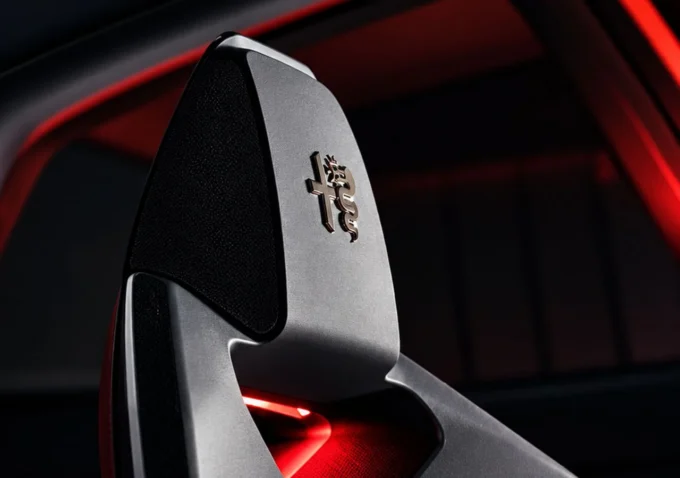
Alfa Romeo Cuorerosso: A New Era of Italian Elegance on Four Wheels
Discover the allure of the Alfa Romeo Cuorerosso, a four-seat GT that...
2 Mins read
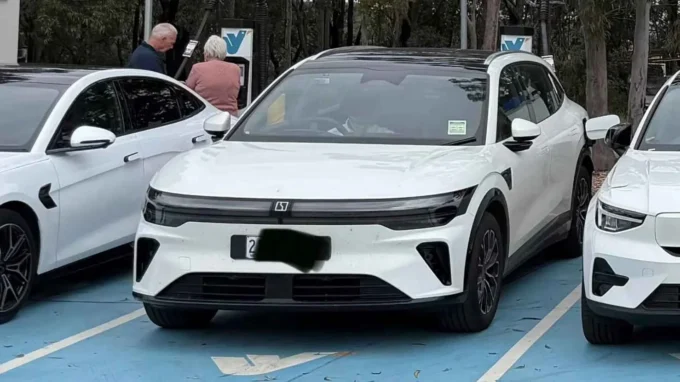


The Zeekr 7X: A New Dawn for Electric Luxury SUVs
Discover the striking facelift of the Zeekr 7X, a high-performance electric SUV...
3 Mins read

Jaguar Unveils Type 01EV: A Bold Step into the Luxury Electric Vehicle Market
Jaguar's Type 01EV marks a significant rebranding effort in the luxury electric...
2 Mins read
Leave a comment