
Hurricane Isaias Threatens Gulf Coast: Latest Updates and Impacts
MIAMI — October 8, 2026
Hurricane Isaias is currently making its way through the Gulf of Mexico, posing a significant threat to the Gulf Coast region. As of October 8, 2026, at 18:40 UTC, the storm has intensified and is expected to bring severe weather conditions, including heavy rainfall, strong winds, and potential flooding to coastal communities.
The National Hurricane Center (NHC) has been closely monitoring Isaias, which was first identified as a tropical storm earlier in the week. As it moved over warm waters, it rapidly gained strength, prompting officials to issue warnings and advisories for several states along the Gulf Coast, including Louisiana, Mississippi, and Alabama.
As of the latest updates, Isaias is classified as a Category 2 hurricane with maximum sustained winds reaching 100 mph. The storm is projected to make landfall within the next 24 hours, raising concerns about its potential impact on local infrastructure and communities. Emergency management agencies are urging residents to prepare for possible evacuations and to stock up on essential supplies.
The trigger for the heightened alert is the storm’s rapid intensification and its projected path, which could lead to significant storm surges and coastal flooding. Local governments have activated emergency response plans, and shelters are being prepared for those who may need to evacuate their homes.
In addition to the immediate threat to life and property, the economic implications of Hurricane Isaias are considerable. The Gulf Coast is a vital region for the oil and gas industry, and disruptions caused by the storm could affect production and supply chains. According to the American Petroleum Institute, approximately 15% of U.S. crude oil production comes from the Gulf of Mexico, making the region critical to national energy security.
This story is receiving attention now due to the storm’s rapid development and the potential for widespread damage. With the hurricane season peaking in October, Isaias serves as a stark reminder of the ongoing threats posed by climate change and extreme weather events.
Locally, the impact of Hurricane Isaias could be devastating, particularly for low-lying areas prone to flooding. Nationally, the storm could disrupt energy supplies and affect markets, while regionally, it poses a risk to the livelihoods of those dependent on tourism and fishing industries.
Looking ahead, the next steps will involve monitoring the storm’s path and intensity as it approaches land. Residents are advised to stay informed through official channels, and emergency services will continue to assess the situation. The NHC will provide updates on the storm’s progress, and local governments will implement their emergency response plans as necessary.
Source: The Weather Channel





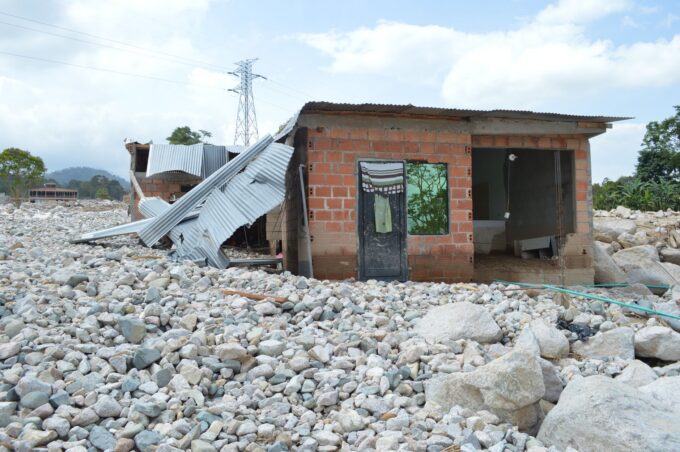
Panama Faces Aftershocks Following Largest Earthquake in Decades
Powerful aftershocks in Panama prompt evacuations and raise public safety concerns.
 2 Mins read
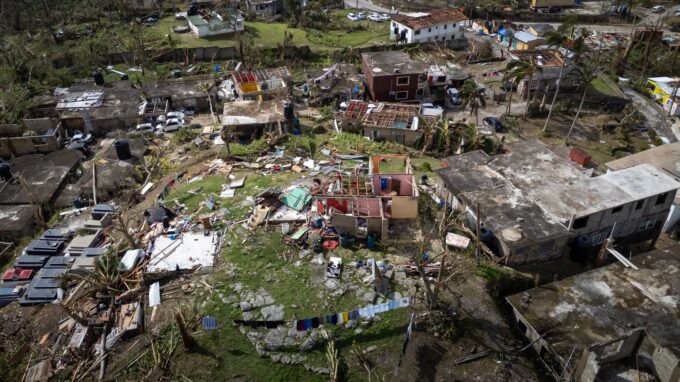
Hurricane Isaias Makes Landfall in Florida, Causing Severe Impacts
Hurricane Isaias has made landfall near Destin, Florida, resulting in significant public...
1 Mins read

Second Measles Case Confirmed in Allegheny County, Heightening Public Health Concerns
The confirmation of a second measles case in Allegheny County underscores the...
2 Mins read



Evacuations in Panama Following Significant Earthquakes and Aftershocks
Recent earthquakes in Panama have prompted widespread evacuations, raising serious public safety...
1 Mins read

Leave a comment