
Hurricane Isaias Makes Landfall in Florida, Causing Severe Impacts
PENSACOLA — October 10, 2026
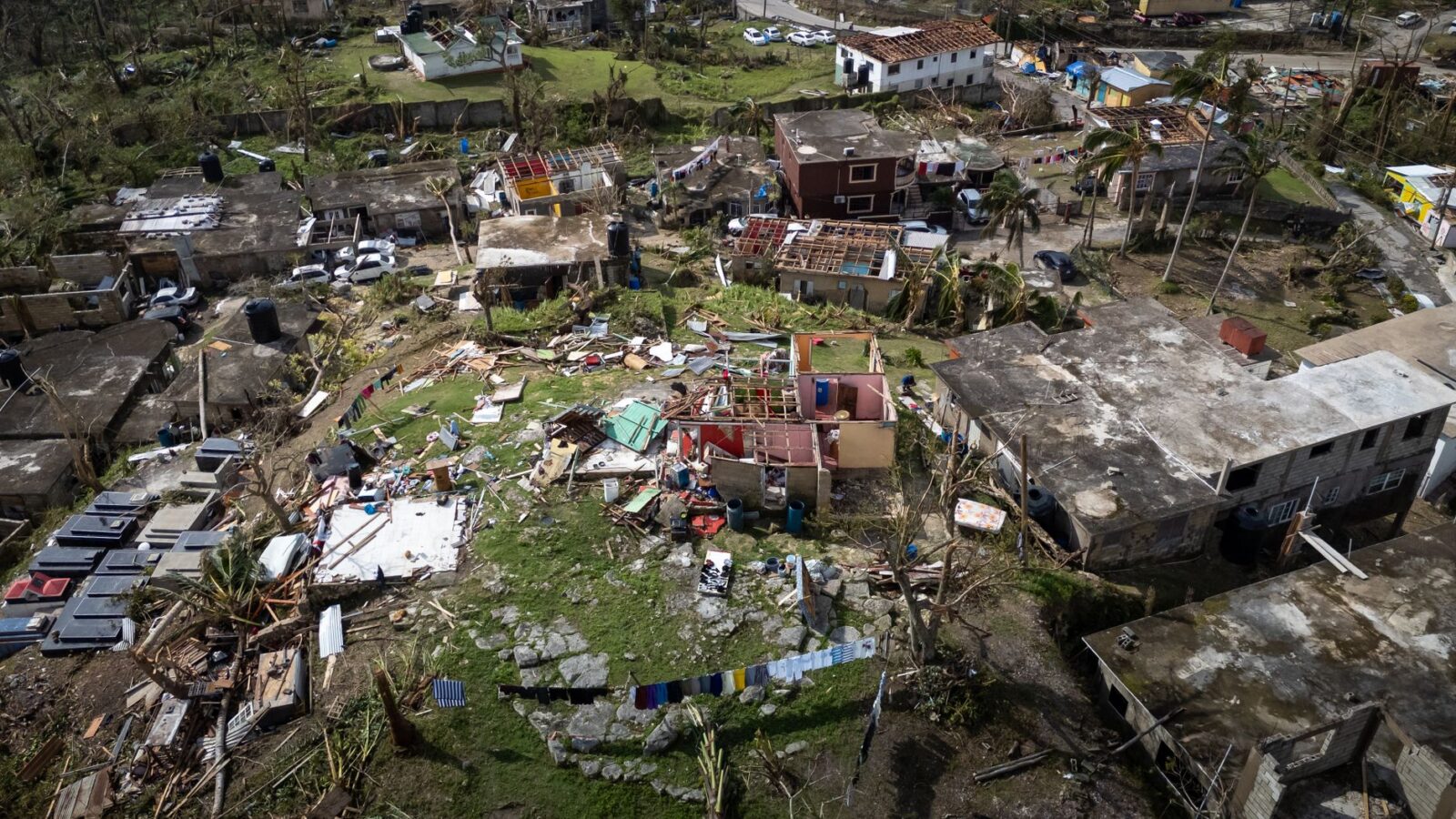
Hurricane Isaias made landfall in Florida near Destin at approximately 1:44 AM UTC on October 10, 2026, bringing with it severe weather conditions that have raised significant public safety concerns. The storm, classified as a Category 2 hurricane at the time of landfall, has already begun to impact local infrastructure and communities.
The National Hurricane Center (NHC) reported that Isaias made landfall with sustained winds of 105 mph, leading to widespread power outages and flooding in the affected areas. As of the latest updates, over 50,000 residents in the Florida Panhandle are without electricity, and emergency services are on high alert to respond to potential rescues and evacuations.
Local authorities, including the Okaloosa County Emergency Management, have urged residents to stay indoors and heed evacuation orders where applicable. The storm’s trajectory is expected to continue affecting the region throughout the day, with heavy rainfall and storm surges anticipated to exacerbate flooding conditions.
The development of Hurricane Isaias was triggered by a combination of warm ocean waters and favorable atmospheric conditions, which allowed the storm to strengthen rapidly as it approached the Gulf Coast. This hurricane season has already seen a higher-than-average number of storms, prompting concerns about climate change and its impact on hurricane intensity and frequency.
Why this story is receiving attention now is due to the immediate threat posed by Isaias to Florida’s coastal communities, which are still recovering from previous storms. The potential for significant damage to homes, businesses, and critical infrastructure is a pressing concern for local and state officials.
The implications of Hurricane Isaias extend beyond Florida, as the storm’s path could influence weather patterns across the southeastern United States. The economic impact could also be substantial, with estimates suggesting that recovery efforts could cost millions, affecting local businesses and tourism, which are vital to the region’s economy.
Looking ahead, the National Weather Service will continue to monitor the storm’s progression, and residents are advised to stay informed through official channels. Emergency management teams are preparing for potential long-term recovery efforts, which may include federal assistance as the situation develops. The full extent of the damage will likely become clearer in the coming days as assessments are conducted and recovery efforts begin.
Source: Pensacola News Journal









Ella Langley Concert in Tulsa Canceled Amid Security Concerns
The cancellation of Ella Langley's concert in Tulsa raises significant public safety...
 2 Mins read

Confirmed Measles Case at Oxford Area High School Raises Public Health Concerns
A confirmed case of measles at Oxford Area High School prompts a...
2 Mins read
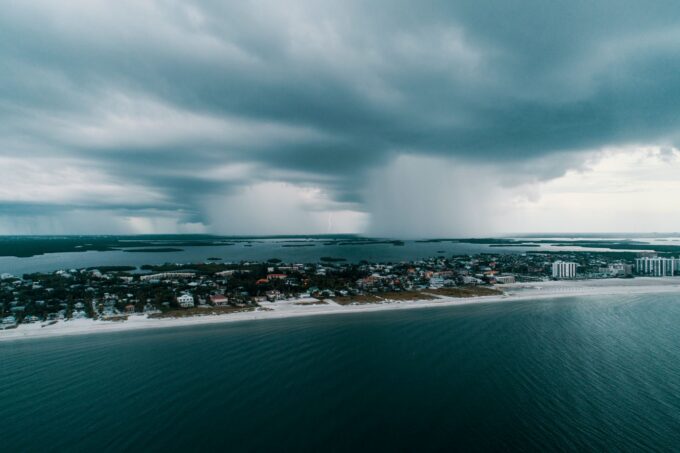
Hurricane Isaias Makes Landfall in Florida Panhandle with Destructive Winds and Storm Surge
Hurricane Isaias has made landfall in the Florida Panhandle, bringing significant public...
1 Mins read
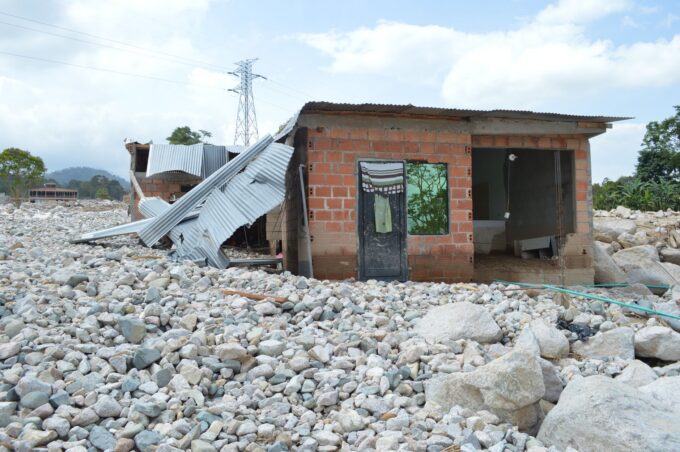


Panama Faces Aftershocks Following Largest Earthquake in Decades
Powerful aftershocks in Panama prompt evacuations and raise public safety concerns.
2 Mins read

Leave a comment