
Margaret Hamilton, Pioneering Computer Scientist, Dies at 90
MIAMI — October 8, 2026
Margaret Hamilton, a pioneering computer scientist whose contributions were vital to the success of NASA’s Apollo missions, has died at the age of 90. Her passing marks a significant loss in the fields of computer science and space exploration, drawing attention to her remarkable legacy.
Hamilton was born on August 17, 1936, in Paoli, Indiana. She earned a degree in mathematics from Earlham College in 1958 and began her career in the field of computer programming shortly thereafter. In the 1960s, she became the director of the Software Engineering Division of MIT Instrumentation Laboratory, where she led the development of the onboard flight software for the Apollo spacecraft.
Her work was groundbreaking; she and her team developed software that not only guided astronauts to the Moon but also ensured their safe return to Earth. Notably, Hamilton’s software was designed to handle unexpected errors, a feature that proved crucial during the Apollo 11 mission when a computer overload nearly jeopardized the lunar landing. Her innovative approach to software engineering and her insistence on rigorous testing and validation set new standards in the industry.
Hamilton’s contributions extended beyond the Apollo missions. She was a strong advocate for the importance of software engineering as a discipline and played a key role in establishing it as a recognized field. Her work has inspired generations of computer scientists and engineers, particularly women in technology.
The news of her death was reported by entrevue.fr on October 8, 2026, highlighting her profound impact on both the space program and the field of computer science.
Hamilton’s legacy is particularly significant today as the world reflects on the advancements in technology and space exploration. Her pioneering spirit and commitment to excellence serve as a reminder of the critical role that software plays in modern engineering and exploration.
As the space industry continues to evolve, with new missions planned for Mars and beyond, Hamilton’s contributions will undoubtedly influence future generations of engineers and scientists. Her death not only marks the end of an era but also prompts a renewed appreciation for the foundational work that has made current and future space exploration possible.
In the coming days, tributes from colleagues, industry leaders, and institutions are expected to pour in, celebrating her life and contributions. The impact of her work will continue to resonate in the realms of technology and space exploration for years to come.
Source: entrevue.fr







Panama Faces Evacuations Following Significant Earthquakes and Aftershocks
Recent earthquakes in Panama have triggered evacuations and tsunami alerts, raising public...
 1 Mins read
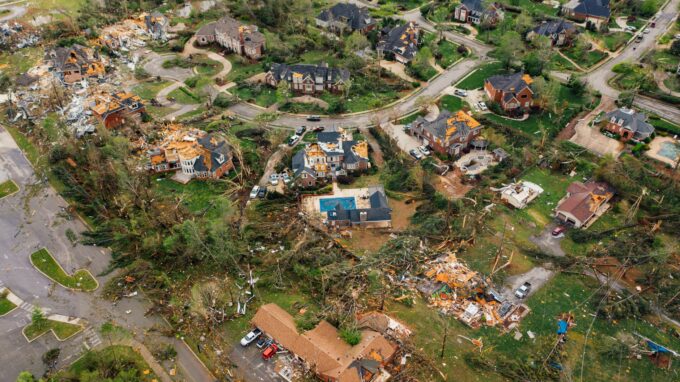
Hurricane Isaias Weakens but Continues to Threaten Southeast US with Rain and Flooding
Hurricane Isaias has weakened but remains a significant threat as it moves...
2 Mins read

Magnitude 7.7 Earthquake Strikes Panama, Prompting Evacuations and Damage Reports
A powerful earthquake has struck Panama, leading to significant public safety concerns...
1 Mins read
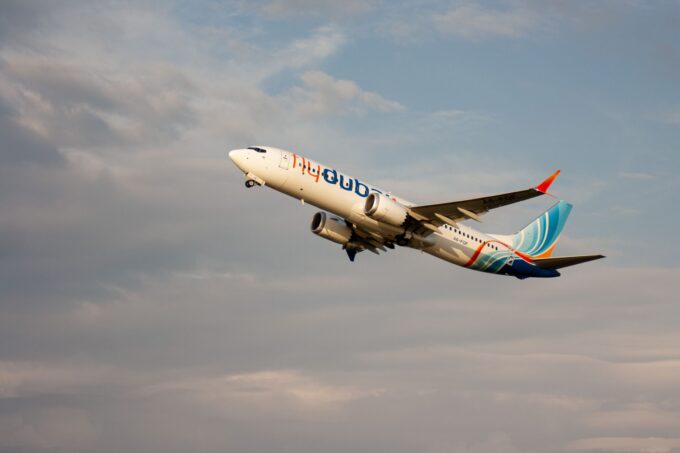


UAE Prosecutor Confirms Flydubai Co-Pilot Planned Suicide Attack on Tel Aviv Airport
The UAE prosecutor's office has announced that a co-pilot from Flydubai intended...
1 Mins read
Leave a comment