
Police Arrest Leader of India’s ‘Cockroach’ Movement Ahead of Mass Protest
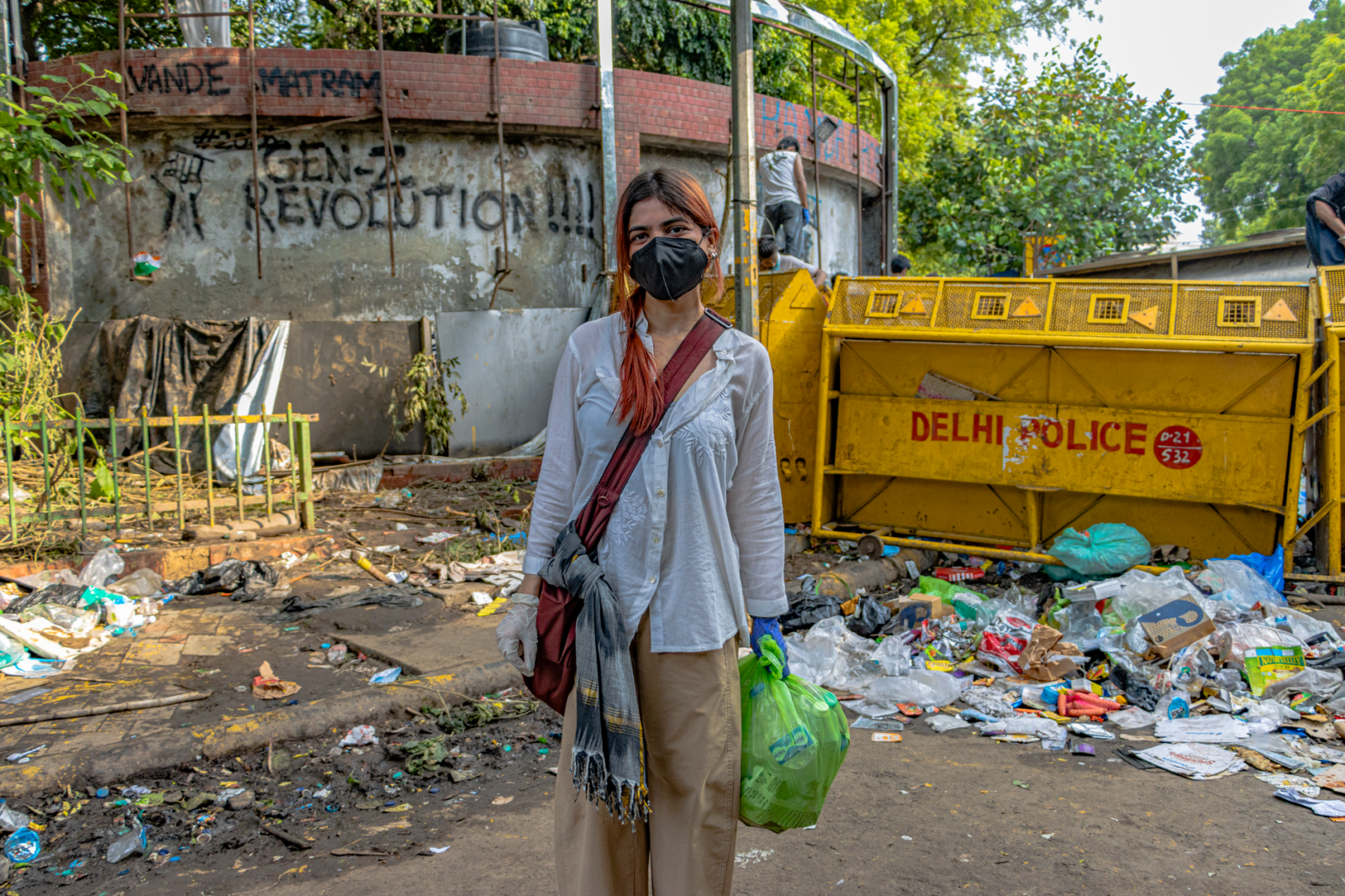
MUMBAI — October 10, 2026
In a significant development, police in India have arrested the leader of the ‘Cockroach’ movement, a grassroots organization known for its vocal opposition to government policies, just hours before a scheduled mass protest in Mumbai. This arrest has raised concerns about potential political unrest and the government’s approach to dissent.
The leader, identified as Ravi Kumar, was taken into custody early on October 10, 2026, as he was preparing to address supporters at a rally in the city’s central district. The ‘Cockroach’ movement, which has gained traction over the past year, advocates for social justice and transparency in governance, often criticizing the ruling party’s policies.
The trigger for this latest development appears to be the planned protest against recent economic reforms that many citizens believe disproportionately affect the lower and middle classes. The government’s decision to implement these reforms has been met with widespread criticism, leading to a surge in public support for the ‘Cockroach’ movement.
Authorities have not disclosed the specific charges against Kumar, but reports suggest that his arrest may be linked to allegations of inciting public disorder. This move has drawn sharp criticism from human rights advocates who argue that it reflects a broader trend of suppressing dissent in India. The Indian Civil Liberties Union has issued a statement condemning the arrest, calling it a violation of free speech and an attempt to stifle legitimate protest.
This incident is receiving heightened attention due to the increasing frequency of protests across India, particularly in urban centers like Mumbai and Delhi. The ‘Cockroach’ movement has emerged as a symbol of resistance against perceived authoritarianism, and Kumar’s arrest could galvanize further support for the movement, potentially leading to larger demonstrations in the coming days.
Locally, the arrest has sparked outrage among Kumar’s supporters, who have vowed to continue with the planned protest despite the police action. Nationally, it raises questions about the government’s commitment to democratic principles and civil liberties. The implications of this event could resonate regionally, as it may inspire similar movements in neighboring countries facing their own governance challenges.
Looking ahead, the situation remains fluid. The government may face increased pressure to release Kumar and allow the protest to proceed without interference. Observers anticipate that the response from the public and civil society will be critical in shaping the narrative surrounding this incident. If protests escalate, it could lead to a broader confrontation between the state and civil society, with potential implications for governance and political stability in India.
Source: Financial Times




Escalation of Houthi Attacks on Saudi Arabia Raises Regional Security Concerns
Recent Houthi strikes on Riyadh airport have resulted in casualties, marking a...
 2 Mins read
Zelensky Critiques Trump’s Diesel Deal with Putin: A Geopolitical Examination
Ukrainian President Volodymyr Zelensky labels Trump's diesel agreement with Putin as "not...
2 Mins read
Trump Strikes Diesel Deal with Putin Amid Escalating Violence in Ukraine
A recent diesel agreement between Trump and Putin has coincided with a...
2 Mins read


Zelenskyy Critiques Trump’s Diesel Deal with Putin as a ‘Gift’
Ukrainian President Volodymyr Zelenskyy has condemned former President Donald Trump's recent diesel...
2 Mins read

Leave a comment