
Indians Embrace the Latest Labubu Toy Trend
 ABLUpdated June 14, 20252 Mins read448
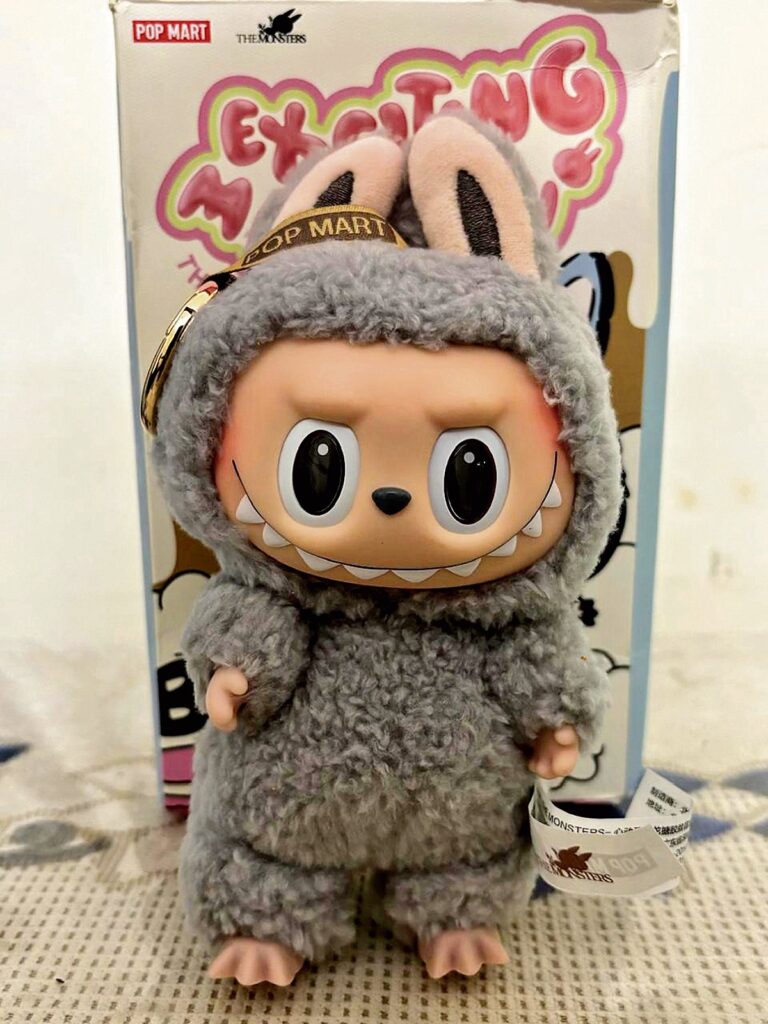
The Rise of Labubu: The ‘Ugly-Cute’ Plush Toy Captivating India
If you’ve been doomscrolling through social media lately, chances are you’ve encountered the cute, yet eerie face of Labubu — the plush toy that the Internet is currently hooked on. From hanging off Ananya Panday’s designer bag to making appearances in popular K-pop star Lisa’s live streams, Labubu is everywhere. Influencers are unboxing these collectibles, desperately trying to get their hands on the rarest versions, and the buzz surrounding this toy is palpable.
A Global Phenomenon
“Labubu has been popular in the Far East but has now become a global phenomenon,” says a lifestyle content creator. The past two months have seen a significant surge in demand for Labubu in India, indicating that this trend is not just a fleeting moment but a cultural shift.
Subhashree Panneerselvam, a Chennai resident who recently visited Vietnam, corroborates this observation. “When I visited, I noticed Labubu toys being sold, especially at a store located inside a theme park. But I didn’t know of the trend until I saw a reel on Instagram upon coming back. I regretted not having purchased one,” she shares, highlighting the toy’s international appeal and the regret of missing out on a trending collectible.
The Origins of Labubu
Fondly referred to as ‘ugly-cute’ by fans, Labubu is a collectible character designed by Hong Kong-born artist Kasing Lung in 2015. Inspired by Nordic mythology, Labubu was initially featured in Lung’s picture book series, The Monsters, where the character is depicted as a mischievous, elf-like creature with a toothy grin and a playful demeanor.
The character gained widespread popularity through a collaboration with Chinese toy company Pop Mart, which introduced Labubu as part of its blind box collectible series. This unique selling approach, where each toy is sold in a sealed package, adds an element of surprise and excitement, making it a hit among collectors.
The Surge in Demand
Nikhil Jain, who resells these collectibles online under the banner Hype and Collectibles, notes that Tier 1 cities in India — Delhi, Mumbai, Bengaluru, Chennai, and Hyderabad — are experiencing a boom in Labubu orders. “From Chennai, in fact, I get orders every day,” he states. In the last six months, Hype and Collectibles alone has sold around a thousand Labubu toys, and Nikhil estimates that at least one lakh Labubu toys could have been sold across various online platforms in India.
This surge in demand is not limited to just collectors; it has also caught the attention of a broader audience. Ayesha Alikhan, a psychologist, has observed a diverse demographic embracing the trend. “I’ve been seeing many influencers carrying these dolls. I’ve also seen many kids as well as middle-aged women at UB City walking around with the dolls in their bags,” she notes, emphasizing Labubu’s appeal across age groups.
Pricing and Market Trends
However, when assessing the trend through the lens of pricing, India appears to be trailing behind the global craze. Dakshin Adyantha, co-founder of Ethinos, who has collected four Labubu toys from Mumbai, points out that the toys are priced as low as ₹3,000, making them accessible to many. “It is only when the demand surges that the prices will go up further. That is how it works with collectibles,” he explains.
As the trend continues to grow, it will be interesting to see how the pricing evolves and whether Labubu will maintain its status as a must-have collectible or fade into obscurity like many trends before it.
Conclusion
Labubu is more than just a plush toy; it represents a cultural phenomenon that has captured the hearts of many in India and beyond. With its unique design, playful backstory, and the thrill of collecting, Labubu is set to remain a staple in the world of collectibles for the foreseeable future. Whether you’re a seasoned collector or a curious newcomer, the allure of Labubu is hard to resist.










Unveiling the Shadows: The Disappearance of Indigenous Art in Canada
Exploring the mystery behind 111 unaccounted works from Canada's Indigenous Art Centre...
 2 Mins read

A New Cultural Landmark: The Rise of a National Latino Museum
Exploring the potential establishment of a National Latino Museum within the historic...
2 Mins read

Threads of Tradition: The Artisans Behind Handmade Futures
Explore the intricate world of traditional crafts and the challenges faced by...
2 Mins read



Preserving Legacy: The Resurrection of Selma’s Edistone Hotel
Discover how the Edistone Hotel in Selma, a crucial landmark in African...
ABL2 Mins read
