
Luxury Leather Goods Market Analysis: Size, Share, and Forecast (2024-2031)
 ABLUpdated 1 year Ago2 Mins read346

The Luxury Leather Goods Market: Trends, Insights, and Future Growth
The Luxury Leather Goods Market is poised for significant growth, with projections indicating a robust compound annual growth rate (CAGR) from 2024 to 2031. This market encompasses a wide range of high-end products, including handbags, wallets, belts, and footwear, all crafted from premium materials that emphasize superior craftsmanship and brand prestige. As consumer preferences evolve, the market is adapting to meet new demands, particularly in sustainability and ethical sourcing.
Market Overview
Luxury leather goods are not just products; they are symbols of status and exclusivity. The market is driven by several factors, including rising disposable incomes, increasing fashion consciousness, and a growing demand for heritage brands. Consumers are increasingly seeking products that reflect their values, leading to a surge in interest in ethically sourced and eco-friendly leather alternatives.
Key Market Trends
-
Sustainability and Ethical Sourcing: As awareness of environmental issues grows, consumers are prioritizing brands that demonstrate a commitment to sustainability. This trend is prompting luxury brands to explore eco-friendly materials and transparent sourcing practices.
-
Digital Transformation: The rise of e-commerce has transformed how luxury goods are marketed and sold. Brands are investing in online platforms to reach a broader audience, offering personalized shopping experiences that cater to the preferences of modern consumers.
- Resilience of Ultra-Luxury Brands: Despite economic pressures, ultra-luxury brands like Hermès and Brunello Cucinelli continue to thrive. Their focus on high-net-worth customers allows them to remain insulated from the volatility affecting mid-market segments.
Competitive Landscape
The Luxury Leather Goods Market is characterized by intense competition among several key players. Prominent brands include:
- Hermès
- Louis Vuitton
- Guccio Gucci S.P.A
- Capri Holdings
- Nike
- Kering
These companies are not only focusing on innovative product offerings but are also adjusting their pricing strategies and sourcing methods in response to market dynamics, including new tariffs and changing consumer preferences.
Recent Developments
-
Sales Trends: Recent reports indicate a slowdown in sales among aspirational buyers, particularly in categories like handbags and small leather accessories. This decline contrasts with the strong performance of apparel and jewelry sectors.
- Pricing Adjustments: In light of new U.S. import tariffs, several luxury brands have raised domestic prices and are shifting manufacturing closer to the U.S. to mitigate costs and trade risks.
Market Segmentation
The Luxury Leather Goods Market can be segmented based on various criteria:
- By Product: Footwear, Bags, Accessories, Others
- By Distribution Channel: Online, Offline
- By Application: Men, Women
This segmentation allows stakeholders to identify specific areas of growth and tailor their strategies accordingly.
Regional Insights
The global Luxury Leather Goods Market report covers six major regions:
- North America: U.S., Canada, Mexico
- Europe: Germany, Russia, UK, France, Italy, Rest of Europe
- Asia Pacific: China, India, Japan, Australia, Rest of Asia Pacific
- South America: Brazil, Argentina, Colombia, Rest of South America
- Middle East and Africa: Saudi Arabia, UAE, Oman, Bahrain, Qatar, Kuwait, Israel
Each region presents unique opportunities and challenges, influenced by local consumer behaviors and economic conditions.
Research Methodology
The analytical framework employed in this market analysis utilizes advanced statistical modeling and data mining techniques. This approach helps identify emerging patterns, forecast market trajectories, and decode complex industry dynamics. The findings are enhanced through sophisticated market segmentation analysis and Porter’s Five Forces evaluation, ensuring that insights are data-driven and strategically relevant.
Conclusion
The Luxury Leather Goods Market is at a pivotal juncture, characterized by rapid growth and evolving consumer preferences. As brands navigate challenges such as economic pressures and changing market dynamics, the focus on sustainability and digital transformation will be crucial for future success. Stakeholders are encouraged to stay informed and adapt their strategies to capitalize on emerging opportunities in this vibrant market.
For those interested in a deeper dive into the Luxury Leather Goods Market, comprehensive reports and insights are available, providing valuable information for strategic decision-making.









Discover the Newest Waterproof Gadgets that Come on Sale
I understand how that could positively effect your body, but alchemizing means...
ABL2 Mins read
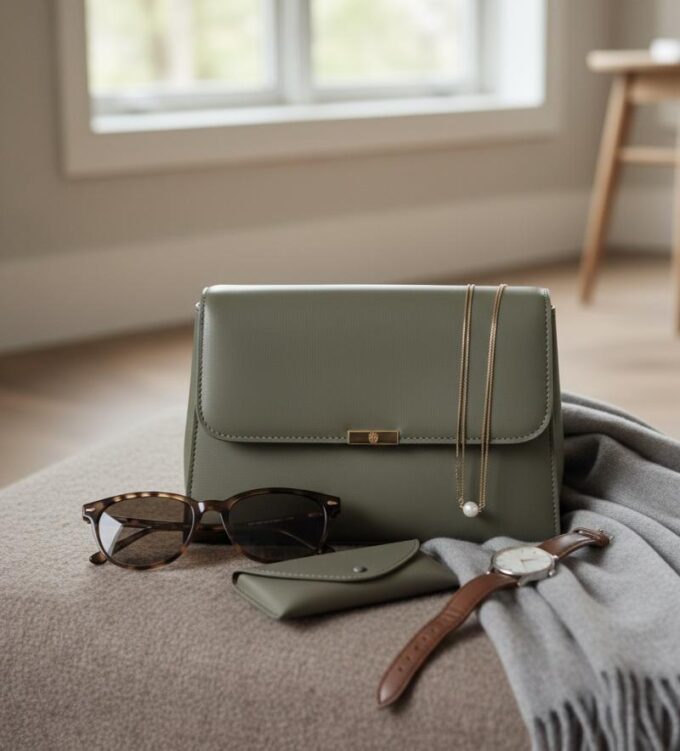
Quiet Luxury Accessories Market Reaches Record High
The Rise of Quiet-Luxury Accessories: A Comprehensive Market Analysis In recent years,...
ABL2 Mins read

Consumer Harm is Escalating as Luxury Goods Sales Surge via Live Broadcasts on Platforms like Facebook and TikTok
Crackdown on Trademark Infringement in Live Broadcasting: A Growing Concern In recent...
ABL2 Mins read



Italian Regulators Criticize Luxury Brand Cucinelli for Russia Claims
Allegations Against Brunello Cucinelli: A Closer Look at the Controversy Shares in...
ABL2 Mins read
