
A New Era in Presidential Aviation: The Transformation of Air Force One
Redefining Presidential Travel
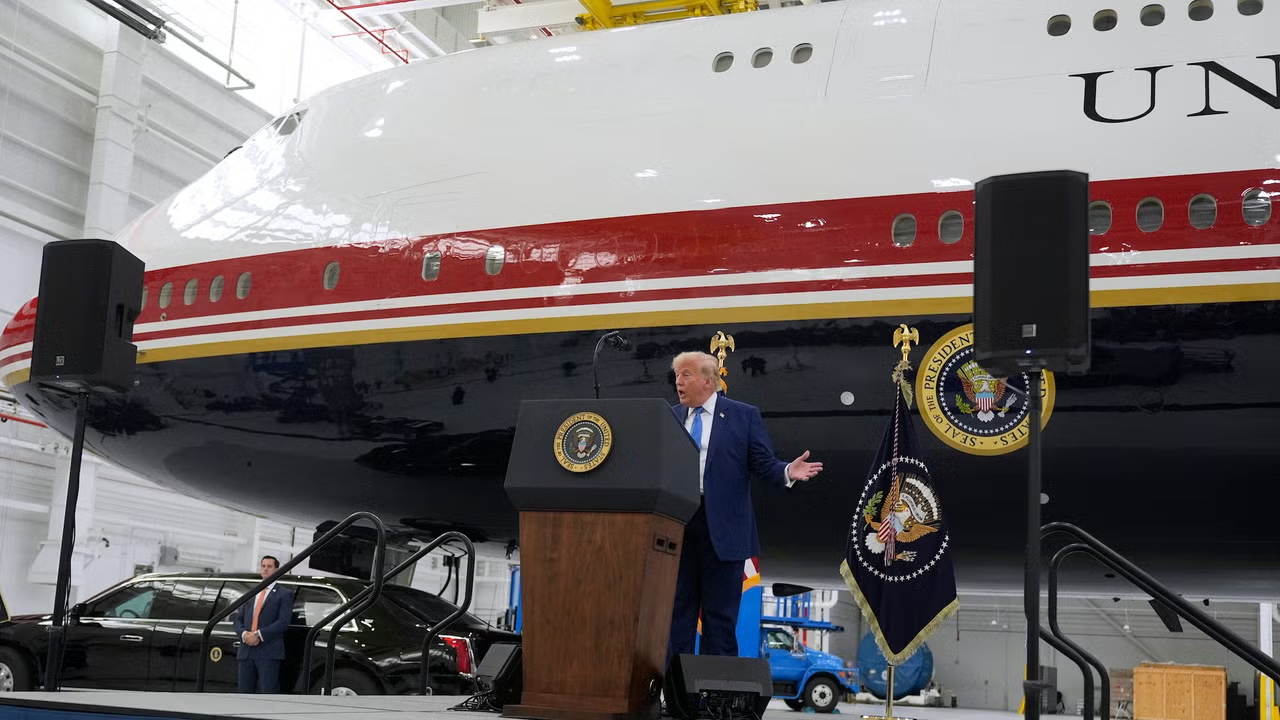
In a bold departure from tradition, the unveiling of the new Air Force One marks a significant shift in the visual and functional identity of the U.S. presidential aircraft. Transitioning from the iconic robin’s egg blue of the Kennedy era, this newly converted Qatari jet adopts a striking navy blue exterior adorned with a vibrant red stripe. This transformation not only signals a new aesthetic but also represents a broader narrative of innovation and leadership in presidential travel.
A Gift with Implications
The arrival of this refurbished aircraft—previously owned by Qatar—serves as a bridge until the delivery of the next generation of presidential jets, slated for 2028. While the decision to accept such a high-value gift from a foreign nation has raised eyebrows regarding ethics, it also exemplifies the complex interplay between diplomacy and statecraft. President Trump emphasized the exceptional craftsmanship of the aircraft during its reveal, indicating a desire to showcase American engineering despite its foreign origins.
Color Schemes and Identity
One of the most striking aspects of this aircraft is its color scheme, which closely mirrors that of Trump’s personal jet. This bold choice reflects a trend in branding that extends beyond corporate realms into the highest levels of government. The return to a more personalized aesthetic signals a departure from previous administrations and highlights the role of design thinking in shaping national identity. The redesign has not been without controversy, particularly as President Biden had previously reversed the color scheme decision, suggesting that such choices hold deeper implications for the brand of the presidency itself.
Operational Readiness and Security
The functionality of Air Force One is paramount, and the Air Force has committed to ensuring that the new jet meets stringent security standards. Modifications to this aircraft are projected to cost under $400 million, a necessary investment to safeguard the leader of the free world. Interestingly, the legacy VC-25A aircraft will remain operational alongside the new arrival, ensuring that the Presidential Airlift Group has the flexibility to select the most suitable aircraft for each mission. This strategic approach to operational readiness emphasizes the importance of adaptability in leadership logistics.
Future of Presidential Aviation
As the aviation landscape continues to evolve, the Air Force’s approach to the presidential fleet reflects broader trends within the industry. The integration of advanced technologies and customized design elements into government aircraft not only enhances functionality but also aligns with the expectations of modern leadership. This development invites a reevaluation of how presidential mobility is perceived and executed, underscoring the necessity for innovation in a world where global dynamics are constantly shifting.
Conclusion: A Legacy in the Skies
The introduction of the new Air Force One represents more than just an aircraft; it symbolizes the evolving nature of presidential travel and the intersection of design, security, and leadership. As Miami continues to be a hub of innovation and luxury, the significance of such advancements resonates deeply within the city’s own narrative of progress and prestige. With a keen eye on the future, the world will watch as this aircraft takes to the skies, embodying the aspirations and complexities of American leadership.
Editorial note: This article was created by A Bit Lavish Miami’s Magazine as an original editorial reinterpretation based on publicly available reporting. Original source: fastcompany.com. Read the original article here: https://www.fastcompany.com/91562730/trump-air-force-one-qatar.
Images are used for editorial reference with source credit. If an image requires correction or removal, please contact A Bit Lavish.










Navigating the New Landscape of Home Affordability: A Deep Dive into Market Trends
Explore the evolving dynamics of home affordability in the U.S. housing market...
 2 Mins read

Rethinking Economic Narratives: The End of the K-Shaped Economy?
Treasury Secretary Scott Bessent declares the end of the K-shaped economy, but...
2 Mins read
Fantasy Baseball Trade Deadline Spurs Strategic Shifts in Bullpen Dynamics
The August 2026 trade deadline reshapes bullpen roles, impacting team strategies and...
1 Mins read



Jefry Yan Celebrations Mark a New Era in Major League Baseball
The global sports community recognizes Jefry Yan's achievements, highlighting the evolving landscape...
1 Mins read
