
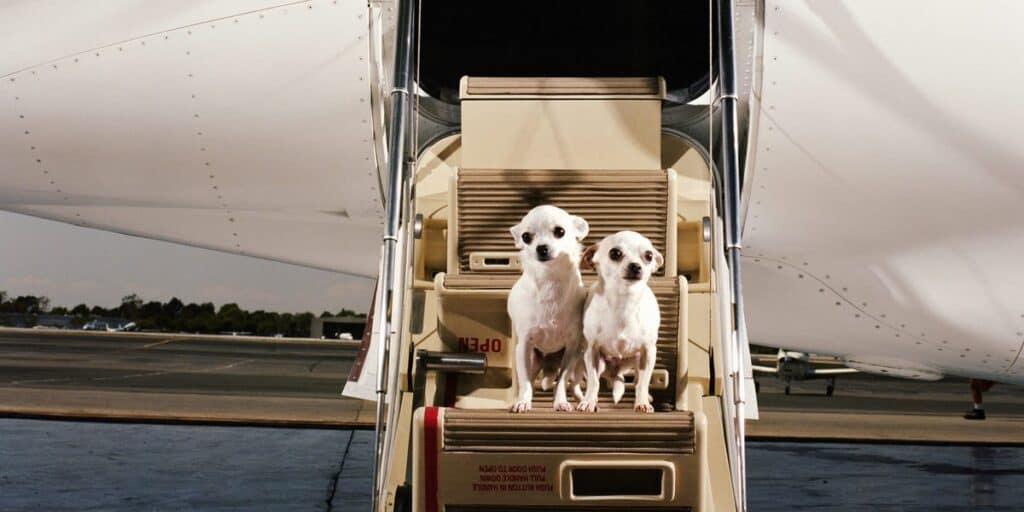
The Allure and Costs of Private Jet Ownership
More than 15 years ago, Oprah Winfrey shared a memorable insight during her commencement speech at Duke University: "It’s great to have a private jet. Anyone that tells you that having your own private jet isn’t great is lying to you." While this statement captures the allure of private aviation, it glosses over a crucial detail: the staggering costs associated with owning a private jet.
The Price Tag of Ownership
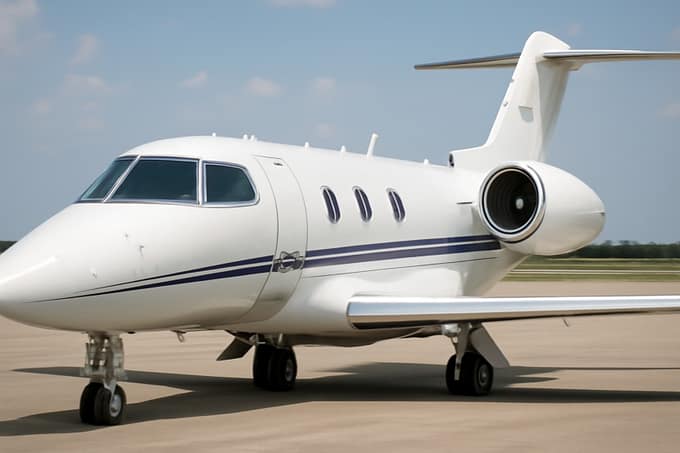
The initial purchase price of a private jet can range dramatically, with popular models like the Bombardier Challenger 300 and 350, Embraer Phenom 300, Cessna Citation XLS+, and Gulfstream G550 costing between $9.5 million and $33 million when brand new. Even used jets often command eight-figure prices. Jamie Walker, the executive chairman of Jet Linx, emphasizes that the expenses of ownership extend far beyond the purchase price.
Customization is where the costs can skyrocket. Owners often spend anywhere from a few hundred thousand to several million dollars on bespoke features, akin to building a luxury home. For instance, Paris Hilton’s Gulfstream G450, dubbed "SlivAir," features a Barbie pink paint job and the phrase "That’s Hot" emblazoned on a wing.
The Hidden Costs of Operation
Once a jet is acquired, the annual operating costs can exceed $1 million. Leona Qi, president of VistaJet’s U.S. division, notes that this figure encompasses various expenses, including crew salaries, maintenance, fuel, and hangar fees. A typical crew consists of at least two pilots and sometimes an air host, with salaries ranging from $150,000 to $400,000 each.
Maintenance can also be a financial burden. Scheduled maintenance is akin to car servicing, but unexpected repairs can lead to significant costs. For example, an engine overhaul can set an owner back as much as $1.5 million per engine, and most jets have two. Additionally, hangar fees can vary widely; a parking spot in a major city like New York or Miami can cost up to $450,000 annually.
The Cost of Customization
Customization is another area where expenses can escalate. Interior upgrades, such as custom cabinetry and branded headrests, start at around $65,000, while premium woodwork and luxurious leather seats can exceed $1 million. High-speed WiFi options from providers like Starlink or L5 can range from $120,000 to $450,000, further adding to the overall cost of ownership.
To Charter or Not to Charter?
Given the high costs and complexities of owning a private jet, many ultra-wealthy individuals are opting for charter services instead. Qi suggests that ownership is only financially sensible for those who fly more than 350 hours a year or require a fully personalized jet at a moment’s notice. Charter companies like VistaJet allow members to purchase a specific number of flying hours annually, while fractional ownership firms like NetJets offer shares in specific aircraft.
Privacy is another compelling reason for choosing charter services. Privately owned jets can be tracked publicly, while chartered jets maintain a level of discretion that many high-profile individuals prefer. For instance, LVMH CEO Bernard Arnault has publicly stated that he sold his company’s jet to avoid being tracked, opting instead to rent planes for his travels.
The Balancing Act of Ownership
Interestingly, many private jet owners still utilize charter services when their personal jets are unavailable or undergoing maintenance. Reports indicate that up to 50% of VistaJet’s clients own their jets but rely on the company as a backup service. Some owners even choose to charter out their jets to offset ownership costs, similar to how yacht owners might rent out their vessels.
The Wealthy and Their Choices
Despite the financial implications, many wealthy individuals still prioritize private jet ownership. The frugal Warren Buffett famously resisted purchasing a private jet for years, but once he did, he never looked back. In his 1990 investor letter, he humorously noted that Berkshire Hathaway’s earnings would increase by $1 million annually if he were to pass away, as his partner Charlie would sell their corporate jet, aptly named "The Indefensible."
Conclusion
Owning a private jet is undoubtedly a symbol of luxury and convenience, but it comes with a hefty price tag that extends far beyond the initial purchase. From maintenance and crew salaries to customization and hangar fees, the costs can add up quickly. For many, the allure of private aviation is tempered by the realities of ownership, leading some to consider chartering as a more practical alternative. Whether one chooses to own or charter, the world of private jets remains a fascinating intersection of wealth, luxury, and practicality.







Luxury Jet Swaps Cabin Windows for Video Screens
The Future of Air Travel: Windowless Jets and Virtual Views For many...
 ABL3 Mins read

Coco Gauff Teams Up with flyExclusive for Exclusive Luxury Jet Experience
Coco Gauff Teams Up With flyExclusive For Luxury Private Jet Travel In...
ABL5 Mins read
Coco Gauff Partners with flyExclusive for Luxurious Private Jet Travel
Coco Gauff Teams Up With flyExclusive For Luxury Private Jet Travel Published...
ABL3 Mins read


Mercedes-Benz Reveals Futuristic Luxury Vehicle Featuring 65-Inch TV: ‘Interior Like a Private Jet’
Mercedes-Benz Vision V: The Future of Electric Mobility There’s a new electric...
ABL3 Mins read
