

The Future of Air Travel: Windowless Jets and Virtual Views
For many air travelers, the window seat is the ultimate prize, offering breathtaking views and a sense of connection to the world below. However, this coveted feature has long posed challenges for aircraft manufacturers, who see windows as structural weaknesses that complicate design and increase costs. In a groundbreaking move, Texas-based Otto Aerospace is set to revolutionize air travel by eliminating traditional windows altogether in its upcoming Phantom 3500 jets, opting instead for virtual windows that promise a panoramic digital experience.
The Shift from Windows to Virtual Screens
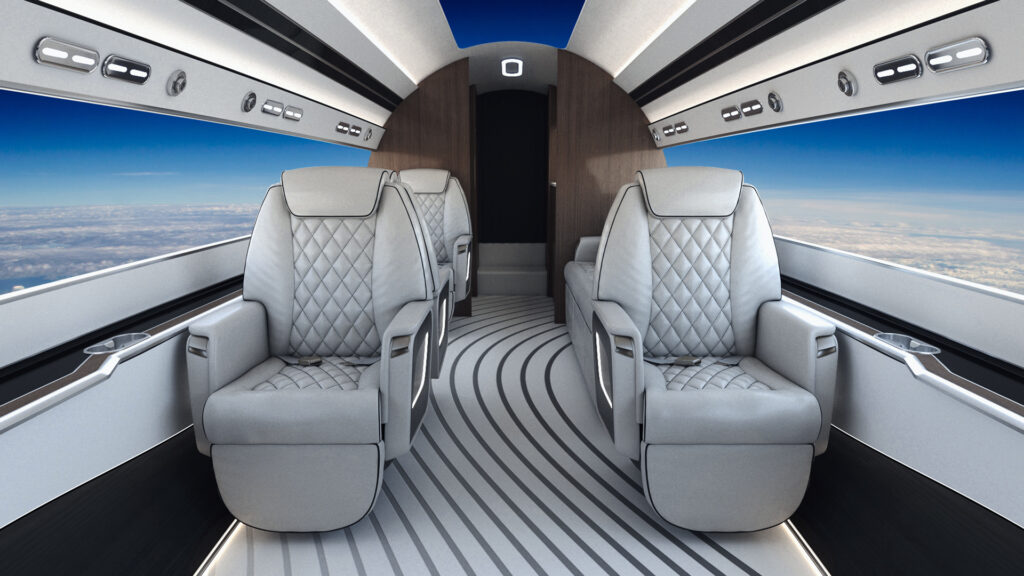
Otto Aerospace recently announced a significant partnership with Flexjet, a private luxury jet provider, to supply 300 Phantom 3500 jets by 2030. These innovative aircraft will replace conventional windows with high-definition cameras mounted on the exterior, providing real-time views displayed on screens inside the cabin. This approach, dubbed “SuperNatural Vision,” aims to enhance the passenger experience while addressing the structural and aerodynamic challenges posed by traditional windows.
While pilots will still have cockpit windows, passengers will no longer have designated window seats. Instead, everyone on board will enjoy a virtual view, potentially transforming how we perceive air travel. Otto Aerospace President Scott Drennan emphasizes the importance of this experiential design, stating, “You have these wonderful digital windows inside… it’s experiential, and we think that’s really important.”
Aerodynamics and Efficiency: The Case for Windowless Design
The decision to eliminate windows is rooted in a broader design philosophy focused on maximizing laminar flow—the smooth, orderly movement of air over a surface. Traditional windows disrupt this flow, introducing turbulence and increasing drag, which in turn raises fuel consumption and operational costs. By prioritizing laminar flow, Otto Aerospace claims to have designed the Phantom 3500 to achieve unprecedented aerodynamic efficiency.
The aircraft features ultra-smooth surfaces made from advanced composite materials, engineered for strength and durability. This innovative design allows the Phantom 3500 to cruise at altitudes of 51,000 feet, covering a maximum range of 3,682 miles, all while reducing fuel burn by an impressive 60% compared to similar jets.
Interior Customization and Passenger Experience
The absence of windows opens up new possibilities for interior design. The Phantom 3500’s cabin, measuring just 22 feet long and 6 feet 5 inches tall, can be customized for various purposes, whether for relaxation or productivity. This flexibility could appeal to business travelers seeking a comfortable environment for meetings or leisure.
Moreover, the virtual screens can display more than just exterior views. Otto Aerospace envisions a range of applications, from in-flight entertainment to virtual meetings, allowing passengers to control their experience. Drennan describes the virtual screen experience as “cinematic” and “worldly,” suggesting that it could redefine the way we engage with our surroundings during flights.
The Challenges Ahead: Will Passengers Embrace the Change?
Despite the potential benefits of windowless design, questions remain about passenger acceptance. The idea of spending hours in a cabin without traditional windows may feel claustrophobic to some, particularly those accustomed to the visual connection offered by real windows. While the technology promises to deliver a unique experience, it remains to be seen how travelers will respond to the absence of natural light and external views.
Previous attempts to eliminate windows in aviation have met with mixed results. Companies like Spike Aerospace and Emirates have explored similar concepts, but widespread adoption has yet to materialize. A 2020 study suggested that retrofitting existing jets with simulated windows could significantly reduce carbon emissions, but the practicality of such designs in commercial aviation remains uncertain.
Looking Ahead: The Future of Air Travel
Otto Aerospace’s Phantom 3500 is still in development, with the first flight expected in 2027, followed by FAA approval before commercial operation can begin. As the aviation industry grapples with the challenges of sustainability and efficiency, the success of windowless jets could pave the way for a new era in air travel.
For now, traditional window seats remain a cherished feature for many travelers. However, as technology advances and design philosophies evolve, the future of air travel may very well be a world where virtual views replace the classic porthole, offering a new perspective on the skies above.




Capital Jets Expands Operations with New Location in Fort Lauderdale
The opening of Capital Jets' new location in Fort Lauderdale marks a...
 1 Mins read
U.S. Large-Cabin Jet Exports Surge in Q3 2026, Reflecting Luxury Aviation Growth
The latest FAA data reveals a significant increase in U.S. large-cabin jet...
2 Mins read
Flyte Aviation Launches New Booking Platform Under Ticker ‘VJET’
The launch of Flyte Aviation under the NYSE American ticker 'VJET' marks...
2 Mins read
Flyte Launches Innovative Booking Platform to Transform Private Jet Market
The new booking platform by Flyte aims to reshape the $11.6 billion...
2 Mins read