
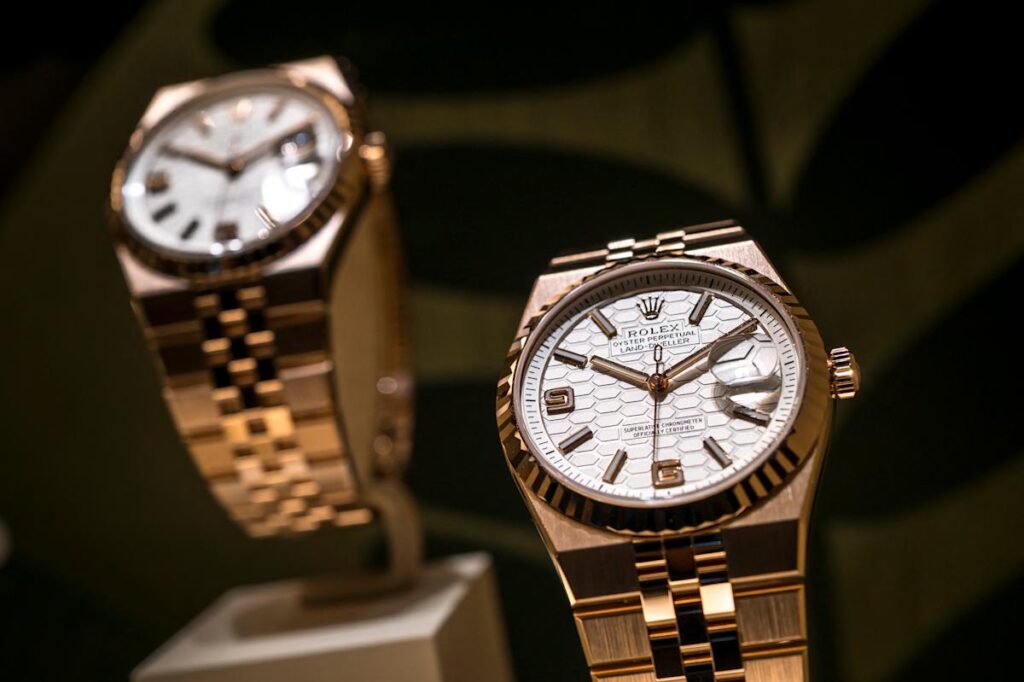
Switzerland’s Watch Industry Faces Tariff Turmoil
Switzerland, renowned for its precision and luxury in watchmaking, is bracing for a significant tariff hike on its exports, particularly impacting its prestigious watch industry. With President Trump poised to impose an enhanced 39% tariff on exports from Alpine nations starting August 7, the repercussions could be profound, threatening the very fabric of this iconic sector.
The Heart of Swiss Craftsmanship
The Swiss watch industry is a cornerstone of the nation’s economy, employing thousands of artisans across various watchhouses that produce millions of wristwatches and clocks annually. Beyond the artisans, the industry also supports a vast network of corporate and retail roles, making it a vital contributor to Switzerland’s economic landscape. In 2024, Swiss watch exports are projected to reach an impressive $29.5 billion, second only to pharmaceuticals and chemical products, with the United States being its primary trade partner.
The Impact of Tariffs
The looming tariff hike poses a serious threat to demand for new Swiss watches. A 39% increase could drastically inflate prices, with luxury models like the stainless-steel Submariner potentially rising from $10,000 to nearly $14,000, as noted by Paul Altieri, CEO of Bob’s Watches. Such price surges could deter consumers, pushing them towards the secondhand market, where prices are already climbing due to earlier tariff impacts.
Rising Prices and Shifting Demand
The watch market has already felt the sting of tariffs, with a previous 10% tariff earlier this year causing prices to rise. According to Morgan Stanley and its data partner WatchCharts, luxury brands like Patek Philippe and Audemars Piguet have seen price increases of 6.9% and 6.7%, respectively. This trend is not limited to the U.S.; global customers are likely to feel the effects as brands may raise prices across all markets to maintain pricing parity, a crucial principle in the luxury sector.
The Secondhand Market Surge
As new watch prices soar, more buyers are likely to turn to the secondhand market, where options are more varied and potentially more affordable. The spokesperson for Subdial, an online watch marketplace, highlighted that if brands increase prices in the U.S. alone, it could create a ripple effect in other markets. This shift could lead to a significant uptick in demand for pre-owned models, as consumers seek to avoid the impending price hikes.
Industry Responses
While the larger watch houses and retailers remain tight-lipped about future pricing strategies, companies like the Swatch Group, which encompasses brands such as Omega and Breguet, have yet to comment on the potential impact of the tariffs. Similarly, Rolex, a titan in the luxury watch market, has not provided any insights into how it plans to navigate the impending tariff landscape.
Watches of Switzerland, a key retail partner for Rolex, acknowledged the proposed tariff increase and expressed its commitment to working closely with brand partners to mitigate potential impacts. However, the reality is that passing on tariff costs to consumers may be unavoidable, and the full impact of such increases could be staggering.
The Unintended Consequences
Interestingly, the tariffs could also backfire on Trump’s business interests. The former president has licensed his name for a range of Trump-branded watches, including high-end models featuring Swiss-made movements. The imposition of tariffs could inadvertently harm the profitability of these ventures, illustrating the complex interplay between politics and commerce.
Conclusion
As Switzerland’s watch industry stands on the brink of a tariff-induced crisis, the implications are far-reaching. The potential for soaring prices could reshape consumer behavior, pushing buyers towards the secondhand market and altering the dynamics of luxury watch sales. With the industry’s future hanging in the balance, stakeholders are left to navigate a challenging landscape marked by uncertainty and economic pressures. The coming months will be crucial in determining how this iconic sector adapts to the new reality of international trade.










Kamilla Rakhimova and Katerina Siniakova Set to Clash in WTA Toronto 2026 Semifinal
The upcoming match between Rakhimova and Siniakova is pivotal for the WTA...
 1 Mins read
Yankees Streamline Trade Deadline Strategy Amid Bullpen Breakthroughs
The New York Yankees' bullpen resurgence could significantly reshape trade dynamics in...
1 Mins read

2026 FIFA World Cup Semifinals Set to Ignite Global Passion
The upcoming World Cup semifinals symbolize a convergence of national pride and...
1 Mins read



World Cup Quarterfinals Set: Matchups and Path to Glory Defined
The quarterfinals of the 2026 FIFA World Cup showcase the world's best...
 ABL1 Mins read
