
The Younger Generation Possesses a Sharper Perspective
 ABLUpdated 12 months Ago2 Mins read367
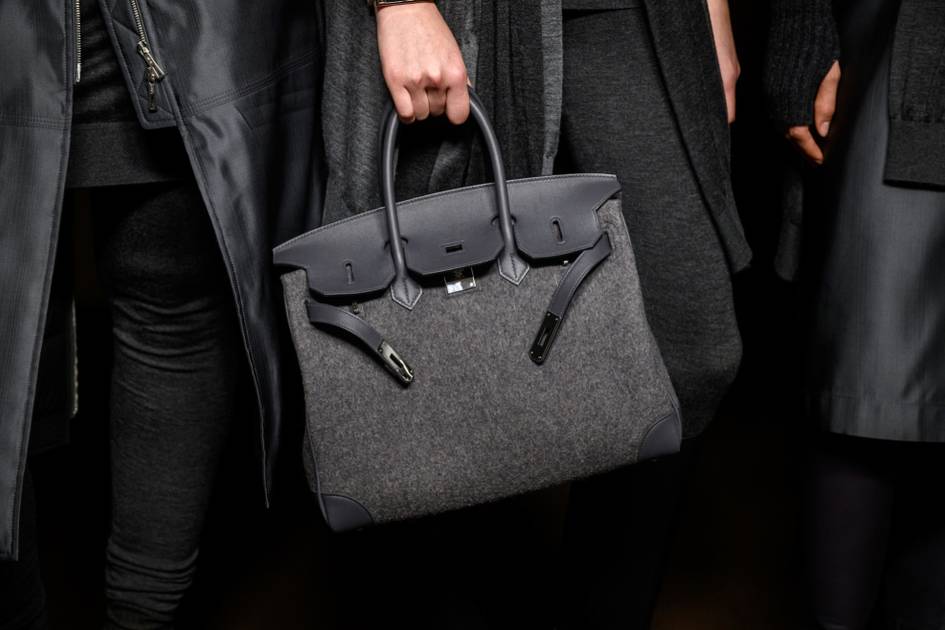
The Rise of Second-Hand Luxury: A Permanent Fixture in Consumer Habits
Far from being a fleeting trend, the second-hand market is cementing its place in consumer habits worldwide. As shoppers increasingly embrace circular shopping practices, the pre-loved market is becoming an integral part of modern consumer preferences. This shift reflects a broader cultural change, where sustainability and value are prioritized alongside style and luxury.
The Evolution of Luxury Resale
With over 40 years of experience in the luxury resale sector, Michael Mack, president of Max Pawn Luxury, has witnessed the transformation of this market firsthand. Once relegated to charity shops and thrift stores, second-hand items are now celebrated as unique treasures that can be proudly displayed. Mack notes, “Second-hand items are no longer just finds in charity shops; they are now truly special pieces that can be shown off to friends.” This evolution signifies a shift in perception, where pre-owned luxury is not just acceptable but desirable.
Max Pawn, based in Las Vegas, boasts an impressive collection of pre-owned Hermès Birkin handbags, a symbol of luxury and status. Recently, the auction of a Birkin bag for a staggering 8.58 million euros highlights the growing allure of these items. Mack observes, “The demand for pre-owned Hermès Birkin bags is incredible and spans all generations.” This statement underscores the timeless appeal of these classic silhouettes, which resonate with a diverse audience.
A Cross-Generational Trend
The resale of luxury items is not confined to a specific demographic; it attracts both young and older consumers. Mack emphasizes that younger generations are increasingly discerning, seeking quality and value for their investments. “What we are seeing is that younger generations are looking for both quality and value for money when making a major purchase, such as a luxury handbag, and they are savvy shoppers,” he explains.
However, the motivations behind these purchases vary. Younger consumers are more focused on the environmental impact of their choices, viewing pre-owned luxury as a sustainable investment. This growing awareness reflects a significant cultural shift, where consumers are not only informed but also conscientious about their spending habits.
The Cultural Significance of Vintage Luxury
Mack, a fourth-generation pawnbroker from Nevada, has a deep understanding of the luxury market. After graduating from the University of Southern California with a degree in finance and marketing, he founded Max Pawn in 2009, specializing in buying and reselling luxury goods. His expertise allows him to appreciate the cultural significance of items like the Birkin bag.
Owning a vintage Birkin is not just about the handbag itself; it conveys a certain status and sophistication. Mack states, “It was an incredible moment and what a magnificent piece! I think it says a lot about vintage luxury: firstly, owning a worn Birkin confers a certain status, and secondly, Birkins have truly become the cultural icon of handbags.” This perspective highlights how luxury items can serve as symbols of identity and aspiration.
Conclusion
The rise of second-hand luxury is more than a trend; it represents a fundamental shift in consumer behavior. As shoppers increasingly prioritize sustainability, value, and quality, the pre-loved market is solidifying its place in the fashion landscape. With industry leaders like Michael Mack at the forefront, the luxury resale sector is poised for continued growth, appealing to a diverse range of consumers who appreciate the beauty and significance of pre-owned items. As this market evolves, it will undoubtedly shape the future of luxury shopping, making second-hand a permanent fixture in consumer habits worldwide.










Discover the Newest Waterproof Gadgets that Come on Sale
I understand how that could positively effect your body, but alchemizing means...
ABL2 Mins read
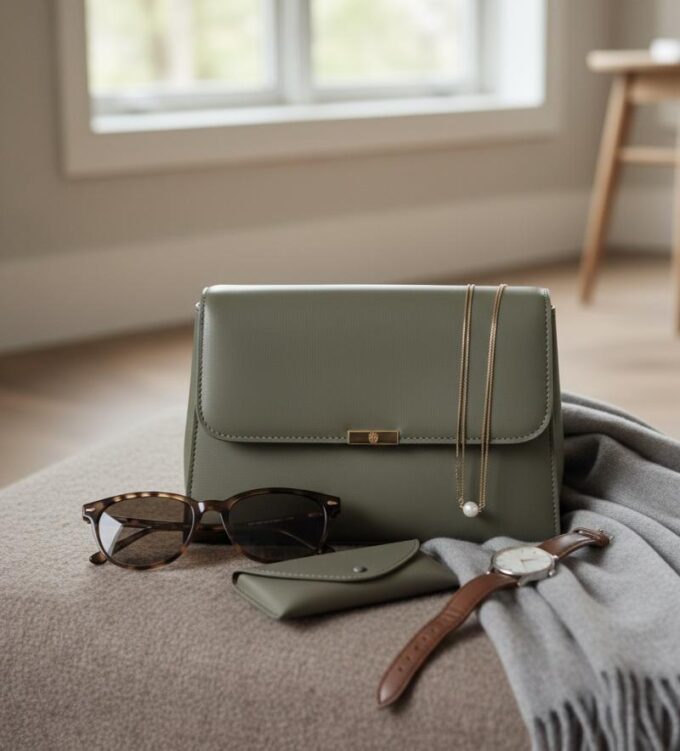
Quiet Luxury Accessories Market Reaches Record High
The Rise of Quiet-Luxury Accessories: A Comprehensive Market Analysis In recent years,...
ABL2 Mins read

Consumer Harm is Escalating as Luxury Goods Sales Surge via Live Broadcasts on Platforms like Facebook and TikTok
Crackdown on Trademark Infringement in Live Broadcasting: A Growing Concern In recent...
ABL2 Mins read


Italian Regulators Criticize Luxury Brand Cucinelli for Russia Claims
Allegations Against Brunello Cucinelli: A Closer Look at the Controversy Shares in...
ABL2 Mins read
