
The Contrasting Worlds of Cuban Tobacco: A Tale of Scarcity and Luxury
In the realm of tobacco, few names resonate as profoundly as Cohíba, a brand synonymous with luxury and quality. Yet, while Cohíba celebrated the launch of its new limited editions in Paraguay with glamour and exclusivity, the reality for smokers in Cuba tells a starkly different story. Here, the struggle for a simple pack of cigarettes often involves standing in endless lines or paying exorbitant prices in the informal market.
A Night of Elegance in Asunción
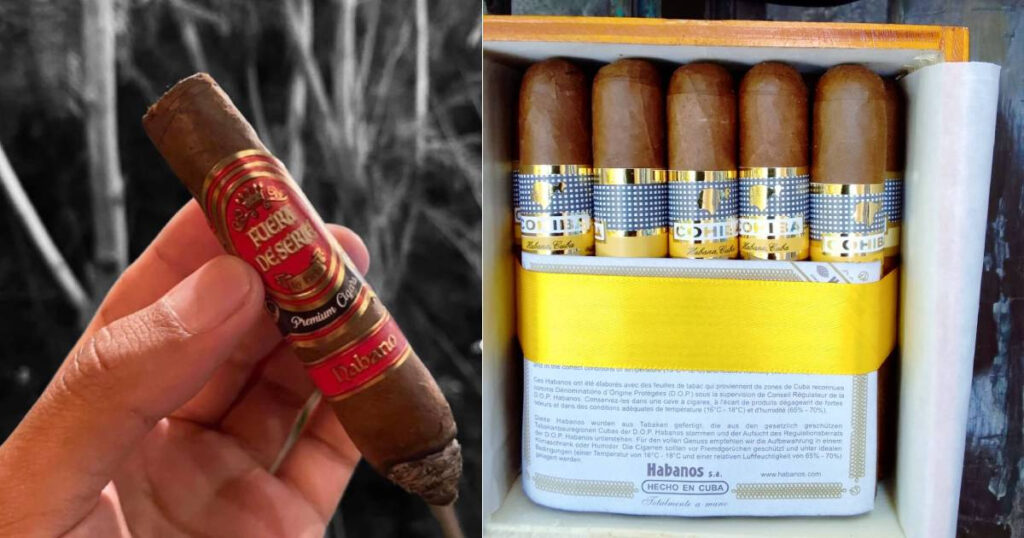
On August 28, the Dazzler Hotel in Asunción hosted an exclusive event titled “The Night of the Cuban Mini Cigars,” showcasing luxury products such as the Cohíba Short Humidor Year of the Snake 88 LE, the Cohíba Club 60 LE, and the Cohíba Wide Short. This gathering attracted select guests, distributors, and VIP clients, who indulged in the new mini cigars paired with premium whiskies and rums.
Ricardo Olmedo, the commercial director of Habacorp, expressed pride in Paraguay’s status as a burgeoning cigar market, stating, "We are immensely proud to say that Paraguay is on par with other major cigar markets." The evening was filled with music, toasts, and a celebration of the cultural significance of Cuban tobacco in Paraguay, highlighting the luxury and prestige associated with the brand.
The Harsh Reality in Cuba
In stark contrast, the situation in Cuba reveals a troubling narrative. Despite being the birthplace of some of the world’s finest cigars, many Cubans find smoking an unattainable privilege. During a visit to the H. Upmann Factory, Miguel Díaz-Canel, the Cuban president, acknowledged tobacco as “the main export product of Cuba,” yet the reality on the ground tells a different story.
State-run stores often lack basic supplies, and the prices in the informal market have skyrocketed, sometimes reaching up to 20 times the official price. For instance, a box of Popular cigarettes, officially priced at 30 CUP, can sell for as much as 600 pesos in the black market. Smokers seeking H. Upmann cigars may pay between 1,200 and 1,500 CUP, forcing many to ration their purchases or buy loose cigars. This paradox highlights the disconnect between government claims of exceeding production targets and the lived experiences of everyday Cubans.
Production Crisis and Scams
The challenges facing the Cuban tobacco industry extend beyond mere shortages. In July, the Lázaro Peña Cigars Company announced that due to a lack of supplies, Criollos would be packaged in boxes of another brand, a desperate measure that underscores the production difficulties.
Moreover, the informal markets have become breeding grounds for fraud. Reports from La Cuevita shopping center in San Miguel del Padrón revealed scams involving boxes of H. Upmann filled with sawdust, leaving buyers feeling cheated and disillusioned. One frustrated customer lamented, “Look at the kind of scam this is… the lack of respect we are experiencing here as Cubans,” capturing the essence of the growing frustration among consumers.
The Cultural Significance of Tobacco
Despite these challenges, tobacco remains a cultural cornerstone for Cuba, representing both national pride and economic potential. However, for many Cubans, it has transformed into an unattainable luxury, a stark contrast to the international showcase of Cuban cigars in markets like Paraguay.
The luxurious scene in Asunción serves as a reminder of the disparities that exist within the tobacco industry. While Cohíba thrives in foreign markets, the average Cuban grapples with scarcity and inflated prices, highlighting a paradox that underscores the complexities of the Cuban economy.
Frequently Asked Questions
Why is there a shortage of cigarettes in Cuba while Cohíba is launching luxury editions in Paraguay?
The shortage of cigarettes in Cuba stems from production and distribution issues, while Cohíba capitalizes on international markets where demand for Cuban tobacco remains high. The disparity in availability and pricing reflects a broader economic imbalance, with local consumers facing significant challenges.
How does the economic situation in Cuba affect the availability of basic products like cigarettes?
Cuba’s economic challenges, characterized by shortages and high informal market prices, severely impact the availability of basic products, including cigarettes. The focus on exports often leaves local consumers struggling to access essential goods, exacerbating the sense of inequality.
What measures is the Cuban government taking to improve tobacco production?
The Cuban government has initiated measures to enhance tobacco production, such as restoring damaged infrastructure and increasing agricultural output. However, these efforts have yet to resolve the persistent shortages in the local market, as the emphasis remains on exports rather than meeting domestic demand.
Conclusion
The tale of Cuban tobacco is one of contrasts—between luxury and scarcity, celebration and struggle. As Cohíba continues to thrive in markets like Paraguay, the reality for many Cubans remains a poignant reminder of the challenges faced in accessing what is often considered a national treasure. The paradox of a product that symbolizes both pride and privilege encapsulates the complexities of Cuba’s economic landscape, leaving many to wonder when the benefits of this rich heritage will truly reach the hands of its people.









The Frank C. Ortis Art Gallery in Pembroke Pines presents ‘Monumentalizing the Trace’ by Collaborative Artist Duo TREIZMAN + ZURILLA opening May 14, 2026
Monumentalizing the Trace presents the first solo exhibition by the collaborative artist...
 ABL3 Mins read
Cinco by the Bay: Regatta Grove Stretches the Fiesta Across Two Waterfront Days
Coconut Grove’s Regatta Grove turns Biscayne Bay into a two-day Cinco de...
ABL2 Mins read

The 38 Best Restaurants in Miami
A piece of gooey Basque cake from Stubborn Seed. Miami is a...
ABL1 Mins read


Where to Eat at LoanDepot Park in 2026
Baseball season is back, and LoanDepot Park is rolling out new food...
ABL2 Mins read