
Is Art Still a Safe Haven Asset? 2025 Outlook and Analysis
 ABLUpdated 7 months Ago3 Mins read217

The Evolving Landscape of the Art Market: Christie’s and Sotheby’s in 2025
Christie’s, one of the most prestigious auction houses globally, has long been synonymous with the sale of fine art, collectibles, and luxury goods. Founded in London in 1766, it has established itself as a cornerstone of the art market. In the first half of 2025, Christie’s reported impressive revenues of approximately $2.1 billion, despite navigating a challenging international landscape marked by a trade war initiated by the United States against several of its traditional partners, including Europe.
Economic Stability Amidst Turbulence
Under the leadership of new CEO Bonnie Brennan, Christie’s has prioritized economic stability, aiming to avoid the sharp declines that characterized the previous year, which saw a staggering 22% drop in sales. While the market for 20th and 21st-century artworks experienced a slight contraction in 2025, this downturn was counterbalanced by a remarkable growth in the luxury sector, which surged nearly 30%. This resilience highlights Christie’s ability to adapt and thrive even in turbulent times.
The Competitive Landscape: Sotheby’s Performance
Christie’s main competitor, Sotheby’s, also reported robust results, with a turnover exceeding $2 billion in the same period. However, analysts caution that the art market’s apparent growth may be misleading. Many argue that it is increasingly struggling to attract the wealthiest collectors, who now prioritize the economic viability of their investments over the cultural prestige traditionally associated with art.
According to The Art Newspaper, over half of the artworks resold at auction in 2025 generated negative financial returns. If this trend persists, the art market could face its worst performance since the early 2000s, particularly when compared to the strong gains seen in other asset classes such as stocks, gold, and cryptocurrencies.
Shifting Investment Trends
In the first half of 2025, the U.S. stock index S&P 500 grew by 5%, while gold, often viewed as a safe-haven asset, rose by 25%. Bitcoin, the world’s most recognized cryptocurrency, also saw a 9% increase, despite its inherent volatility. This shift in investment focus has led to a significant reallocation of capital toward these more profitable assets.
A notable example is the Bitcoin Trust, established by the prominent U.S. asset management firm BlackRock. This fund allows investors to buy and sell shares akin to stocks, enabling them to benefit from Bitcoin’s value appreciation without the complexities of managing digital wallets or private keys. In the first half of 2025 alone, the Bitcoin Trust attracted over $84 billion in investments, a figure that surpasses the entire economic volume generated by the global art market during the same period.
Art as Prestige, Not Investment
This shift in capital allocation raises questions about the role of art as an investment vehicle. While art continues to captivate the global elite, it is increasingly appreciated for its prestige and symbolic value rather than as a reliable financial asset. The perception of artwork as a safe haven for significant capital investment is waning, with collectors now more focused on the cultural significance of their acquisitions.
The Changing Nature of Art Fairs
Events that were once central to the art market, such as Art Basel in Switzerland, are now perceived more as social gatherings for the ultra-rich rather than serious investment opportunities. Historically, these fairs served as benchmarks for buyers, but they have evolved into networking events where social interactions often overshadow the artworks on display.
As noted by The Art Newspaper, many industry insiders predict further contraction in the art market, suggesting that only major works will retain their value over time, while lesser-known pieces may lose their economic appeal.
The Rise of “Zombie Art”
In this evolving landscape, the term “zombie art” has emerged, referring to works created specifically to capitalize on market trends at a given moment. This phenomenon underscores the need for a paradigm shift in how art is perceived and valued. Marc Spiegler, former director of Art Basel, argues that art should no longer be marketed to the super-rich as a “safe” financial investment. Instead, it should be appreciated for its aesthetic and cultural significance.
Conclusion: A Return to Aesthetic Appreciation
As the art market grapples with these challenges, the call for a return to valuing art for its intrinsic qualities rather than its potential financial returns becomes increasingly relevant. The future of the art market may depend on its ability to redefine itself, focusing on the cultural and aesthetic dimensions of art rather than solely its economic implications. In this new era, the appreciation of art may once again take center stage, allowing it to flourish as a vital component of human expression and creativity.








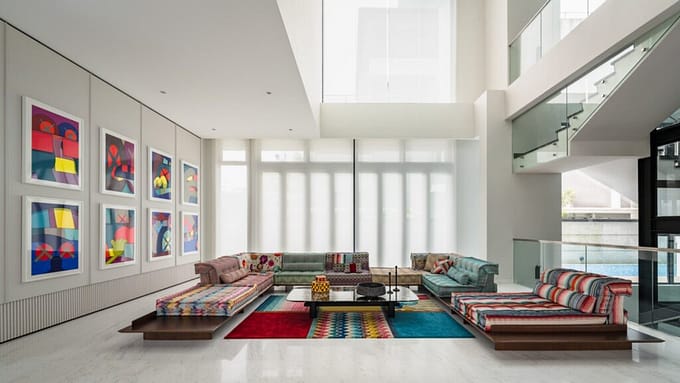
Home Tour: Opulent Penang Bungalow Showcasing Art and Exotic Cars
The Collector’s Reserve: A Masterclass in Interior Design Nestled in the picturesque...
ABL2 Mins read

No Obvious Catalyst on the Horizon (NASDAQ: DIBS)
The State of 1stdibs: Navigating Challenges in the Luxury Marketplace In the...
ABL4 Mins read
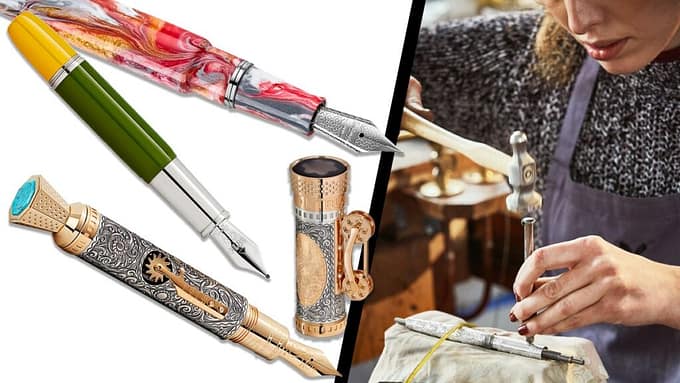
Luxury Pens: The Latest Trend in Collectibles
The Renaissance of British Craftsmanship: From Watches to Pens For two decades,...
ABL3 Mins read
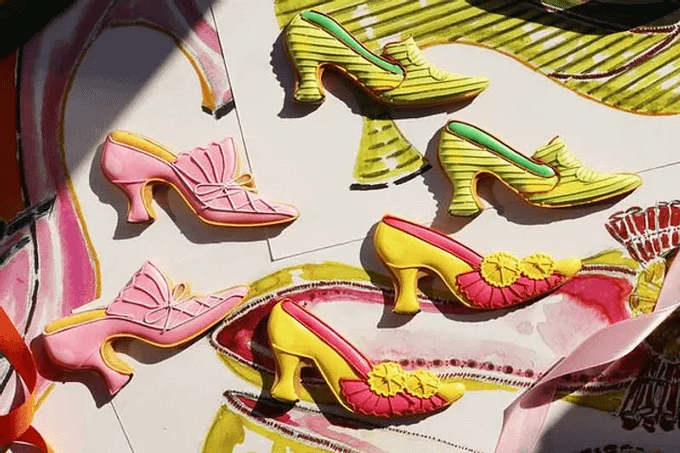


Confectionery: The “Haute Dessert” Trend—Where Fashion and Sweets Collide
What Is the “Haute Dessert” Trend? The “Haute Dessert” trend is revolutionizing...
ABL4 Mins read
