
Luxury Cosmetics Market Projected to Exceed USD 75.16 Billion by 2030
 ABLUpdated 8 months Ago3 Mins read239

The Luxury Cosmetics Market: Trends, Growth Drivers, and Challenges
The luxury cosmetics market has emerged as a significant segment within the broader beauty industry, reflecting changing consumer preferences and economic dynamics. According to a report by Zion Market Research, the global luxury cosmetics market was valued at approximately USD 48.37 billion in 2022 and is projected to reach USD 75.16 billion by 2030, growing at a compound annual growth rate (CAGR) of 5.67%. This article delves into the key factors driving this growth, the competitive landscape, and the challenges faced by the industry.
Understanding Luxury Cosmetics
Luxury cosmetics encompass a wide range of products, including skincare, hair care, fragrances, and makeup. These products are characterized by their high-quality ingredients, often organic or natural, and are marketed as premium offerings that enhance personal beauty and well-being. The increasing importance of cosmetics in daily life has led to a surge in demand for luxury products, which are often perceived as status symbols.
Key Growth Factors
1. Rising Disposable Income and Premiumization
As disposable incomes rise, particularly in emerging markets, consumers are increasingly willing to invest in high-end beauty products. This trend is driven by a desire for quality and exclusivity, making luxury cosmetics a symbol of status and lifestyle.
2. Strong Demand for Fragrances and Skincare
Luxury fragrances and scientifically-backed skincare products are among the strongest growth drivers in the market. Consumers view these items not just as indulgences but as essential components of their daily routines, further fueling demand.
3. Digital Transformation and E-commerce Expansion
The rise of e-commerce has revolutionized the luxury cosmetics market. Brands are leveraging online platforms and social commerce to reach wider audiences, offering personalized shopping experiences that cater to individual preferences.
4. Technological Innovations
Innovations such as virtual try-ons and AI-powered beauty tools are enhancing customer engagement. These technologies help reduce purchase hesitation, particularly in online shopping, thereby boosting sales.
5. Sustainability and Refillable Packaging
Eco-conscious consumers are increasingly prioritizing sustainability in their purchasing decisions. Brands that adopt eco-friendly practices, such as refillable packaging and responsibly sourced ingredients, are gaining a competitive edge.
6. Experiential Retail and Tourism Recovery
Flagship stores and immersive brand experiences are becoming essential for luxury brands. The recovery of tourism, particularly in duty-free shopping and travel retail, is also contributing to market expansion.
7. Influencer and Celebrity Endorsements
Collaborations with beauty influencers and celebrity endorsements are reshaping consumer behavior. Live shopping events on social media platforms are particularly effective in driving sales and brand loyalty.
8. Emerging Market Growth
Regions like the Middle East, India, and Southeast Asia are witnessing rapid adoption of luxury cosmetics, driven by urbanization and a growing aspirational middle class.
Competitive Landscape
The luxury cosmetics market is characterized by intense competition among established brands and emerging players. Major companies such as LVMH (Christian Dior), Estee Lauder, Coty, and Shiseido are focusing on innovation and strategic partnerships to enhance their market positions. The report highlights the importance of mergers, acquisitions, and new product launches in maintaining competitive advantage.
Market Segmentation
The luxury cosmetics market can be segmented by type, product type, distribution channel, and end user:
- By Type: Organic Luxury Cosmetics, Conventional Luxury Cosmetics
- By Product Type: Hair Care, Skincare, Fragrances, Makeup
- By Distribution Channel: Supermarkets & Hypermarkets, E-Commerce, Specialty Stores, Monobrand Stores
- By End User: Male, Female
Challenges Facing the Luxury Cosmetics Market
Despite its growth potential, the luxury cosmetics market faces several challenges:
1. High Price Sensitivity
Economic uncertainties, including inflation and fluctuating currencies, can lead consumers to cut back on premium beauty purchases, impacting sales.
2. Counterfeit Products
The rise of counterfeit goods, particularly online, poses a significant threat to brand reputation and consumer trust.
3. Regulatory Compliance
Stringent regulations regarding product safety, labeling, and sustainability can delay product launches and increase operational costs.
4. Supply Chain Disruptions
Shortages of rare ingredients and packaging materials can affect the timely availability of luxury products, creating challenges for brands.
5. Sustainability Pressure
Meeting consumer demands for eco-friendly products without compromising luxury appeal is a complex challenge for many brands.
6. Intense Competition
The market is crowded with established luxury houses, indie brands, and premium skincare startups, all vying for market share.
7. Shifting Consumer Preferences
Younger consumers prioritize authenticity, inclusivity, and sustainability, forcing traditional luxury brands to adapt their messaging and product offerings.
8. Dependence on Tourism
Luxury retail sales are heavily influenced by travel patterns, making them vulnerable to geopolitical tensions and travel restrictions.
Conclusion
The luxury cosmetics market is poised for significant growth, driven by rising disposable incomes, technological innovations, and changing consumer preferences. However, brands must navigate various challenges, including economic uncertainties and intense competition, to maintain their market positions. As the industry evolves, a focus on sustainability and consumer engagement will be crucial for success in this dynamic landscape.
For a comprehensive analysis of the luxury cosmetics market, including insights into key players and strategic developments, refer to the full report by Zion Market Research.










Discover the Newest Waterproof Gadgets that Come on Sale
I understand how that could positively effect your body, but alchemizing means...
ABL2 Mins read
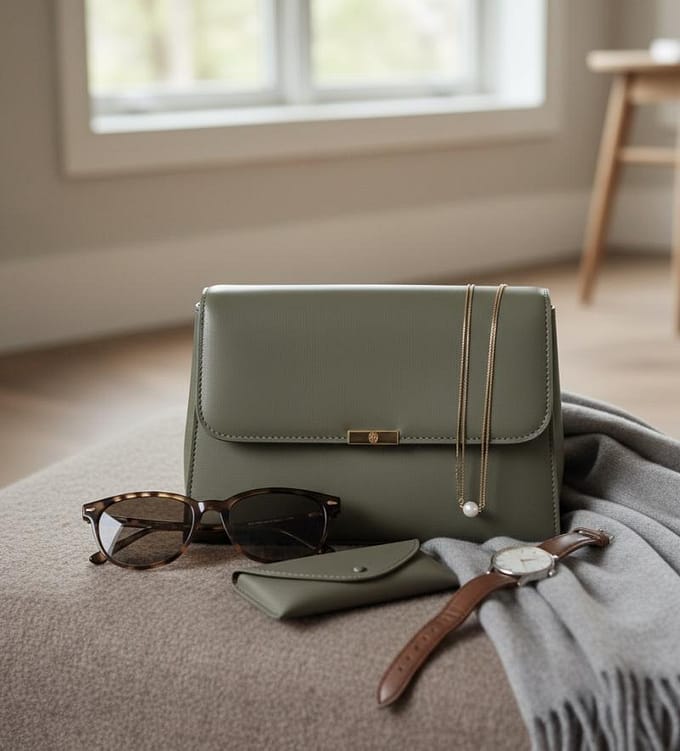
Quiet Luxury Accessories Market Reaches Record High
The Rise of Quiet-Luxury Accessories: A Comprehensive Market Analysis In recent years,...
ABL2 Mins read
Consumer Harm is Escalating as Luxury Goods Sales Surge via Live Broadcasts on Platforms like Facebook and TikTok
Crackdown on Trademark Infringement in Live Broadcasting: A Growing Concern In recent...
ABL2 Mins read



Italian Regulators Criticize Luxury Brand Cucinelli for Russia Claims
Allegations Against Brunello Cucinelli: A Closer Look at the Controversy Shares in...
ABL2 Mins read
