
Consumer Harm is Escalating as Luxury Goods Sales Surge via Live Broadcasts on Platforms like Facebook and TikTok
 ABLUpdated 11 months Ago2 Mins read547
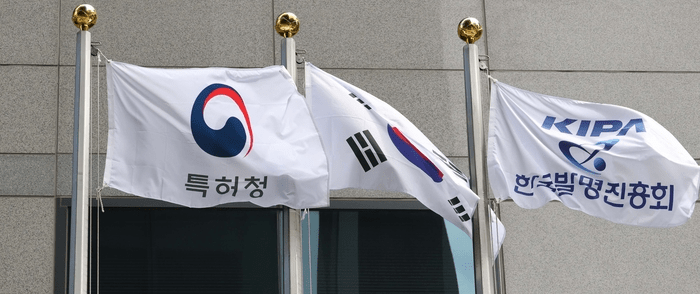
Crackdown on Trademark Infringement in Live Broadcasting: A Growing Concern
In recent years, the surge in live broadcasting on platforms like Facebook, TikTok, and YouTube has transformed the way consumers shop. However, this new shopping trend has also given rise to a troubling phenomenon: the sale of counterfeit luxury goods. The Korean Intellectual Property Office (KIPO) has been actively addressing this issue, leading to significant crackdowns on trademark infringement over the past five years. As consumer damage escalates, lawmakers are calling for enhanced protective measures.
The Scale of the Problem
The rise of live broadcasting as a sales channel has led to an alarming increase in counterfeit goods. This year alone, KIPO reported the confiscation of over 9,300 household items linked to trademark infringement. Data submitted by Chung Jin-wook, a member of the National Assembly, reveals that from 2020 to August 2025, there have been 20 reported cases of luxury goods sales through live broadcasts. In total, 28 sellers have been apprehended, with a staggering 10,912 counterfeit items seized.
The statistics are particularly concerning for 2023, where 13 cases involving 21 individuals were detected, accounting for 9,381 counterfeit items. This represents more than 65% of the total cases, indicating a sharp rise in illicit activities in recent months. Some sellers have reportedly profited hundreds of millions of won from these illegal transactions.
Platforms Under Scrutiny
A closer look at the platforms reveals that YouTube has emerged as the primary venue for counterfeit sales, with 13 individuals implicated. TikTok follows with 10, while Facebook and Instagram account for 3 and 2 cases, respectively. Most of the counterfeit items seized were lifestyle products, including clothing, bags, and shoes. When assessed in terms of genuine market value, the total damage inflicted on consumers is estimated to reach billions of won.
In 2022, counterfeit goods worth approximately 235 million won were traded on Facebook, while another 172 million won in fake items were detected on YouTube in July 2023. These figures highlight the urgent need for effective measures to combat the proliferation of counterfeit products in live broadcasts.
Strengthening Enforcement Efforts
KIPO has acknowledged the growing problem and has ramped up its enforcement efforts. The agency reported that the number of bookings has increased due to strengthened investigations initiated this year. Additionally, there has been a notable rise in reports from consumers and rights holders, indicating heightened awareness of the issue. Despite these efforts, the sale of counterfeit luxury goods through live broadcasts continues to expand.
Lawmaker Chung Jin-wook emphasized the severity of the situation, stating, "The distribution of counterfeit products is a crime that threatens consumer safety and distribution order beyond intellectual property infringement." He pointed out that the significant number of counterfeit goods detected on YouTube raises concerns about the extent of the problem prior to the crackdown.
The Need for Collaborative Solutions
In 2019, KIPO signed agreements with domestic platforms like Naver and 11th Street to combat counterfeit products. However, global platforms such as YouTube, TikTok, Facebook, and Instagram were notably excluded from this agreement. Chung highlighted this gap, stating, "The global platform is the main stage of the sale of fake goods, but it is a clear blind spot that there is no cooperative system."
To effectively tackle this issue, Chung advocates for the establishment of a cooperative framework with global platforms. He calls for a customized tracking system tailored to each country and product, along with mechanisms to prevent consumer damage. As KIPO transitions to the Intellectual Property Office, the urgency for such measures has never been greater.
Conclusion
The crackdown on trademark infringement in live broadcasting is a critical step toward protecting consumers and maintaining market integrity. As counterfeit goods continue to flood the market, it is imperative for regulatory bodies, lawmakers, and global platforms to collaborate in creating robust consumer protection mechanisms. Without these efforts, the risks to consumer safety and trust in the marketplace will only continue to grow.










Discover the Newest Waterproof Gadgets that Come on Sale
I understand how that could positively effect your body, but alchemizing means...
ABL2 Mins read
Quiet Luxury Accessories Market Reaches Record High
The Rise of Quiet-Luxury Accessories: A Comprehensive Market Analysis In recent years,...
ABL2 Mins read

Italian Regulators Criticize Luxury Brand Cucinelli for Russia Claims
Allegations Against Brunello Cucinelli: A Closer Look at the Controversy Shares in...
ABL2 Mins read



Bernard Arnault Invests in Rodeo Drive with New Flagship Stores for Tiffany and Louis Vuitton
Rodeo Drive: The Heart of Luxury Retail Rodeo Drive in Beverly Hills,...
ABL2 Mins read
