

Innovating Warfare through Technology
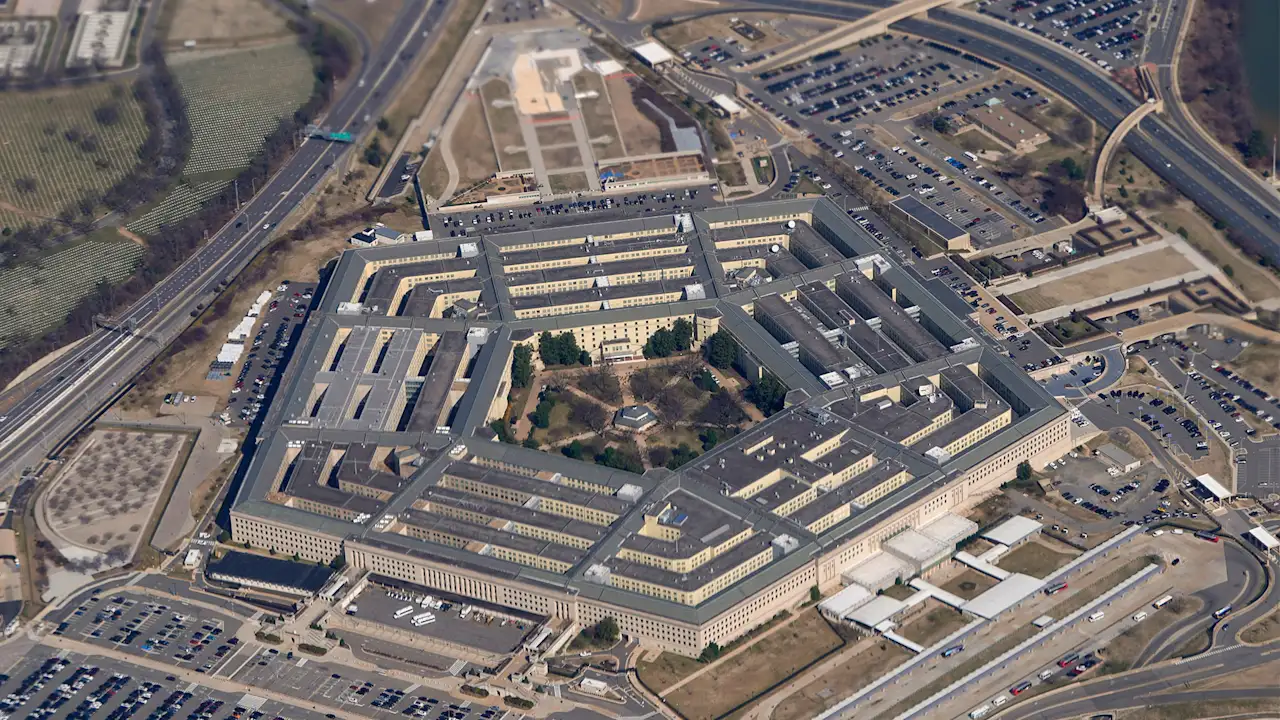
The landscape of modern warfare is undergoing a seismic shift as the Pentagon embarks on strategic partnerships with prominent tech firms, including Google, Microsoft, and Nvidia. These alliances aim to harness artificial intelligence (AI) to enhance military operations, enabling more informed decision-making in complex and dynamic environments. With a focus on augmenting the capabilities of warfighters, this initiative marks a significant step towards integrating cutting-edge technology into the fabric of U.S. military strategy.
A Strategic Choice of Allies
The recent announcement highlighted contracts with seven tech companies, each bringing unique AI expertise to the table. These partnerships are designed to streamline processes that range from target identification to logistical management, ultimately reducing operational timeframes and increasing efficiency. However, the absence of AI firm Anthropic, which has faced scrutiny regarding the ethical implications of its technology, raises questions about the selection criteria and the ongoing discourse around responsible AI deployment in military contexts.
The Ethics of AI in Warfare
The Pentagon’s aggressive adoption of AI technology comes with a host of ethical considerations. Concerns are mounting over privacy infringements and the potential for autonomous decision-making in combat scenarios. Experts like Helen Toner, from Georgetown University’s Center for Security and Emerging Technology, emphasize the necessity of human oversight in operations where AI systems may act independently. This dialogue is particularly relevant in light of recent international conflicts, where the use of AI has been scrutinized for contributing to unintended civilian casualties.
Balancing Innovation and Oversight
The integration of AI into military operations is not without its challenges. As new systems are rolled out, the Pentagon must ensure that operators are adequately trained to use these tools effectively without succumbing to over-reliance, a phenomenon known as automation bias. The importance of human judgment in high-stakes environments cannot be overstated, and recent contracts stipulate the need for human intervention in autonomous missions. This dual approach aims to capitalize on the advantages of AI while safeguarding ethical standards and civil liberties.
The Competitive Landscape of Military AI
As the U.S. military accelerates its AI capabilities, there is an increasing urgency to establish a competitive edge in the global arena. The emergence of open-source AI models from companies like Nvidia and Reflection signifies a strategic pivot towards fostering innovation domestically while countering the rapid advancements seen in other nations, particularly China. By leveraging partnerships with a diverse range of tech companies, the Pentagon is not only diversifying its AI portfolio but also promoting an ecosystem that encourages responsible and transparent technological development.
Real-World Applications of AI in the Military
The practical applications of AI in military settings are already in motion, with platforms like GenAI.mil demonstrating the tangible benefits of these new technologies. Military personnel are reportedly utilizing AI to streamline operations, reducing tasks that once took months down to mere days. From predictive maintenance for aircraft to optimizing troop movements, AI is becoming an indispensable asset in fulfilling operational mandates. This evolution reflects a broader trend in which technology is increasingly instrumental in enhancing the effectiveness and efficiency of military operations.
Looking Ahead: The Future of AI in Defense
As the Pentagon forges ahead with its AI initiatives, the implications for national security and global military dynamics are profound. The integration of AI technology not only promises to reshape the battlefield but also necessitates ongoing dialogue about ethical boundaries and the role of human oversight. As these partnerships mature, the military will need to navigate the delicate balance between leveraging technological advancements and upholding ethical standards, ensuring that the deployment of AI aligns with constitutional rights and civil liberties.
Editorial note: This article was created by A Bit Lavish Miami’s Magazine as an original editorial reinterpretation based on publicly available reporting. Original source: fastcompany.com. Read the original article here: https://www.fastcompany.com/91536036/pentagon-announces-deals-google-nvidia-more-use-ai-in-fighting-wars.
Images are used for editorial reference with source credit. If an image requires correction or removal, please contact A Bit Lavish.










Strategic Escapes: The Art of Vacationing as a Solopreneur
Explore the essential strategies for solopreneurs to effectively plan vacations without sacrificing...
 2 Mins read

Navigating the Ethical Frontier: Claude’s Evolution in AI Agency
Exploring the implications of agentic AI through Amanda Askell's insights on Claude,...
3 Mins read

Reimagining the Office: From Mandate to Magnet
Explore how businesses are redefining the role of the office as a...
2 Mins read



Harnessing Creativity: A New Paradigm for Business Leadership
Exploring how applied creativity can redefine business success and leadership in the...
2 Mins read
