
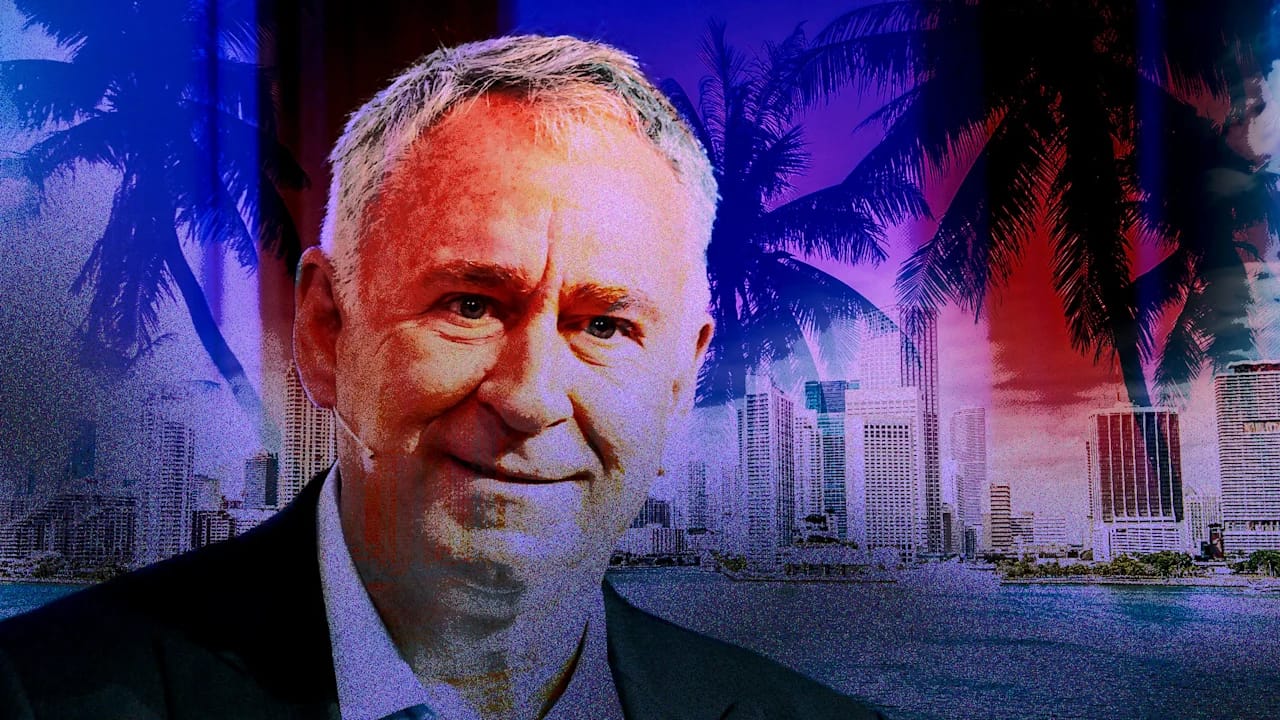
Taxing the Elite: A New Approach in New York
In an audacious move that has stirred voices across the financial sector, New York City Mayor Zohran Mamdani recently unveiled a proposed pied-à-terre tax targeting luxury properties owned by non-residents. This initiative, aimed at the wealthiest New Yorkers, has drawn both applause and ire, reflecting the ongoing tension between progressive taxation and the affluent class. Mamdani’s viral video, filmed outside billionaire Ken Griffin’s $239 million Manhattan penthouse—the most expensive residential sale in U.S. history—amplified the message, positioning Griffin’s lavish residence as a symbol of the disparity the tax seeks to address.
The Response from a Billionaire
Griffin, the CEO of Citadel, was quick to respond, deeming the mayor’s choice of backdrop as “poor taste.” He expressed deeper concerns, arguing that such tax policies risk alienating the very business leaders that drive economic growth. In an interview with CNBC, Griffin articulated that the pied-à-terre tax could have dire consequences for New York City’s business environment, suggesting it might prompt many high-profile firms to reconsider their future there.
Miami: The Rising Star
Griffin’s criticism of New York’s tax approach comes with a silver lining for Miami, which has increasingly emerged as a desirable alternative for businesses and wealthy individuals. The hedge fund titan hinted at bolstering Citadel’s presence in Miami, revealing plans for significant investments in the city. “We’ve added several hundred thousand square feet of new space in our new building,” he noted, emphasizing the potential for job creation in the region.
Florida’s lack of state income tax makes it a particularly appealing option for high earners, thereby positioning Miami as a potential business capital of the United States. Griffin’s assertion that New York’s fiscal policies are pushing business leaders towards more tax-friendly jurisdictions resonates with many in the finance and tech industries, further validating Miami’s burgeoning reputation.
Taxation and Its Discontents
Mamdani’s tax proposal has ignited a debate surrounding wealth distribution and accountability in New York. As Griffin pointed out, the financial burden on the top 1% of earners represents a precarious reliance on a small subset of taxpayers. He cautioned that alienating these individuals could have long-term repercussions for the city’s economy, ultimately undermining the very services and infrastructure that depend on their contributions.
“Good riddance,” some might say in response to the wealthy exiting the city, but Griffin poses a critical question: “Who’s going to pay the bills?” This fundamental issue underscores the necessity for balanced tax policies that encourage investment while addressing social inequalities.
Leadership and Responsibility
Griffin’s remarks extended beyond fiscal matters, delving into the personal repercussions of Mamdani’s video. He expressed concern over safety, recalling the tragic assassination of another CEO in the vicinity of his residence. “To put any citizen in harm’s way is just inappropriate for one of our political leaders,” he stated, highlighting the responsibility that comes with public service.
The billionaire’s discontent with the political climate in New York raised questions about the ethical implications of using personal assets as political pawns. In a society where the lines between public and private life are often blurred, the ramifications of such actions can be significant, impacting not just individuals but entire communities.
A Shift in the Business Landscape
As the dialogue surrounding taxation and wealth continues, the implications of Mamdani’s policy could herald a shift in the business landscape not only for New York but for cities like Miami that are positioning themselves as viable alternatives. Griffin’s commitment to investing in Miami further underscores the trend of businesses reevaluating their geographic locations in light of changing economic policies.
This evolving narrative captures the essence of today’s economic climate, where innovation, leadership, and strategic decision-making play pivotal roles in determining the future of urban business hubs. As Miami continues to attract financial titans, the city’s relevance in the global economic arena becomes more pronounced, possibly reshaping the competitive landscape in the years to come.
Editorial note: This article was created by A Bit Lavish Miami’s Magazine as an original editorial reinterpretation based on publicly available reporting. Original source: fastcompany.com. Read the original article here: https://www.fastcompany.com/91537680/ken-griffin-citadel-ceo-billionaire-responds-to-zohran-mamdani-pied-a-terre-tax-viral-video-nyc-new-york-penthouse.
Images are used for editorial reference with source credit. If an image requires correction or removal, please contact A Bit Lavish.







Cultivating Trust: The Art of Thriving in a New Workplace
Explore essential strategies for building trust and rapport with colleagues in a...
 2 Mins read

Navigating the AI Communication Conundrum: Are We Losing Our Voices?
Exploring the impact of AI on workplace communication, the dangers of outsourcing...
2 Mins read

Empowering the Future: Salesforce’s Bold Commitment to AI-Native Talent
Salesforce's latest initiative to hire 1,000 recent graduates with AI fluency reflects...
 ABL3 Mins read


When Memes Meet Marketing: The Rise and Fall of ‘Date Cancelled’
Explore the fascinating journey of the 'date cancelled' meme, its cultural resonance...
ABL3 Mins read
Leave a comment