

A New Era of Political Branding
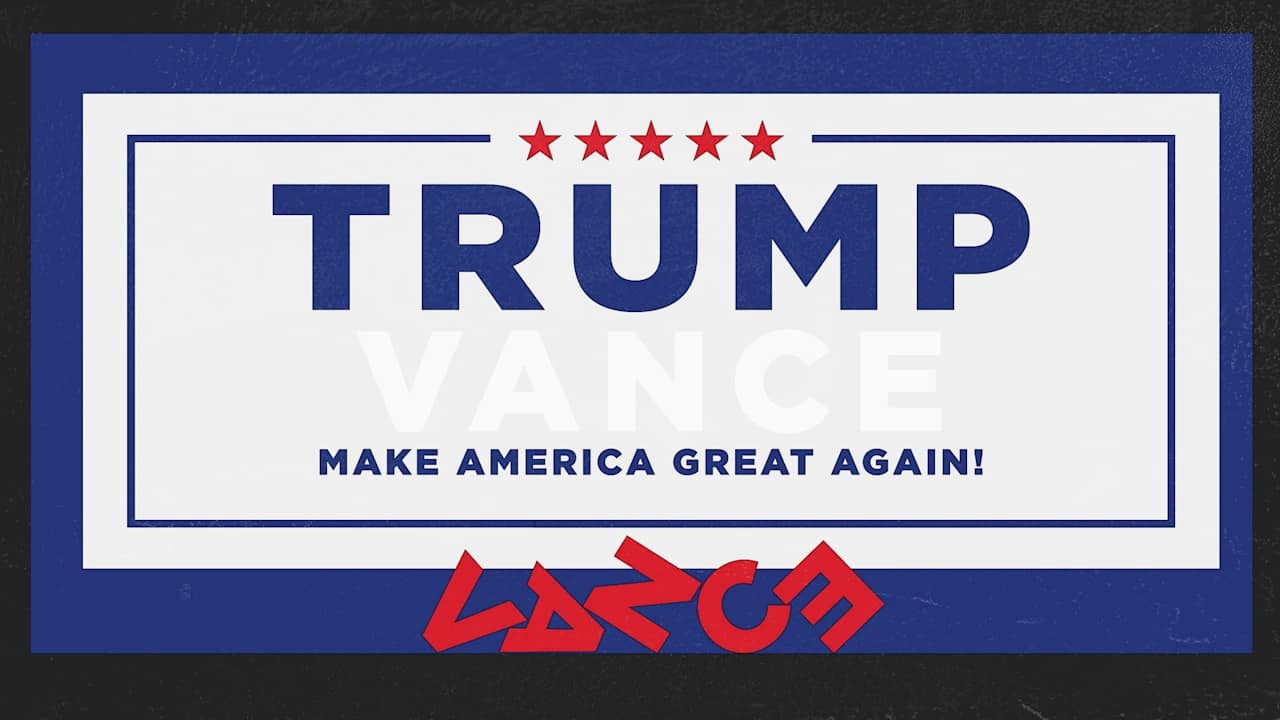
In the ever-evolving landscape of political campaigns, branding plays a pivotal role in shaping public perception and rallying support. The recent modifications to Donald Trump’s campaign logos illustrate a calculated shift in marketing strategy, one that places an unmistakable emphasis on his persona while subtly sidelining his running mate, Vice President JD Vance. This maneuver not only reflects Trump’s enduring influence but also raises questions about the future of his political alliances.
The Shift in Focus
Since naming JD Vance as his vice-presidential pick in July 2024, Trump’s campaign has prominently featured their names together within a sleek rectangular frame. However, a recent examination of Trump’s fundraising communications reveals an intriguing trend: a growing number of campaign logos are increasingly devoid of Vance’s name.
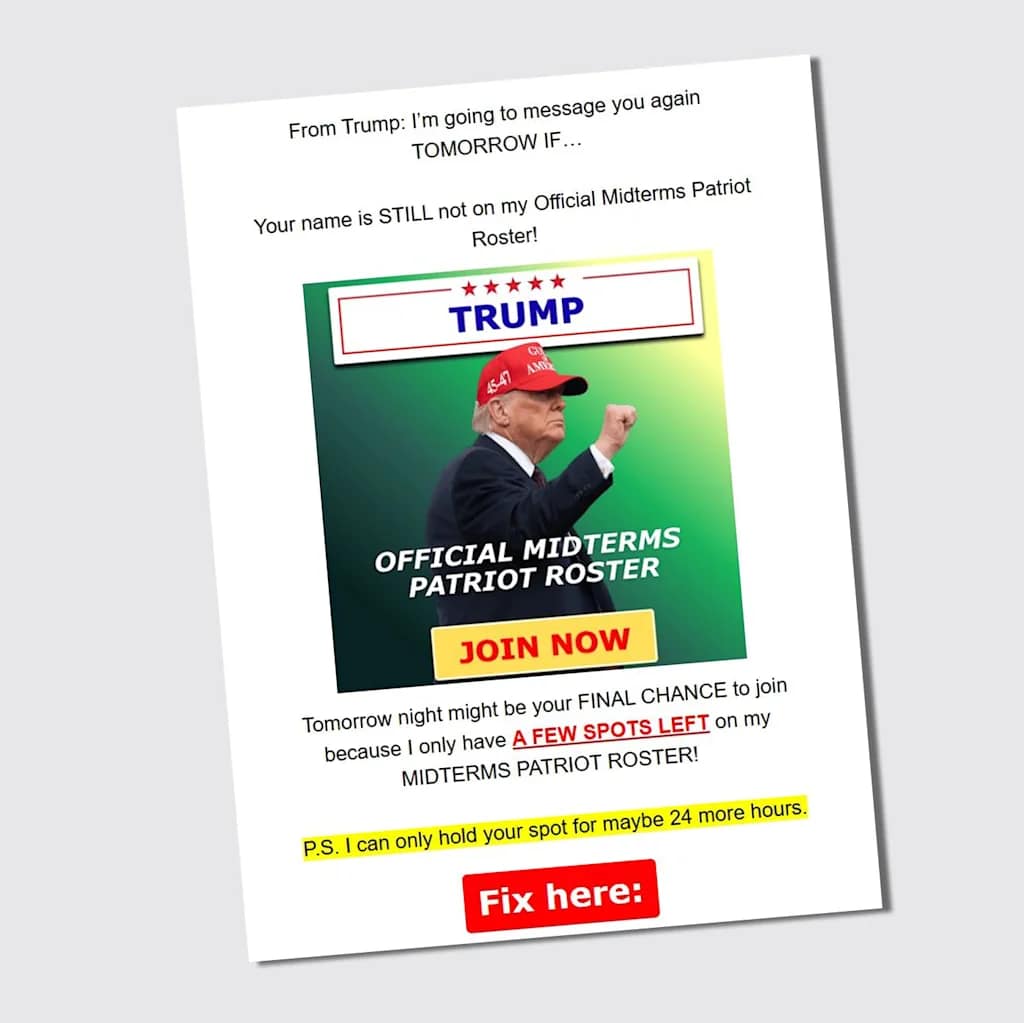
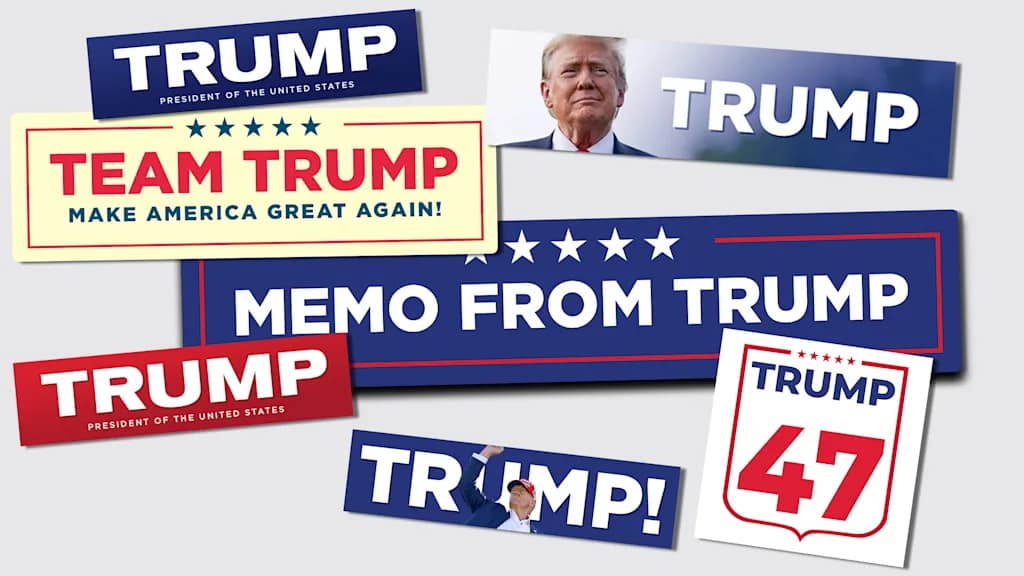
In fundraising emails distributed by Trump’s leadership PAC, Never Surrender, a notable 42% of logos were Trump-centric, up from just 25% in March 2025. This tactical shift underscores a strategic branding decision, likely aimed at reinforcing Trump’s position as the singular figurehead of his political movement.
Communicating Exclusivity
The branding choices made in these communications are both intentional and revealing. For instance, variations of the logo featuring Trump’s name in bold, all-caps letters serve to create a personal connection with potential donors. The use of headers like “Memo from Trump” frames the messages as direct appeals, enhancing their emotional resonance.
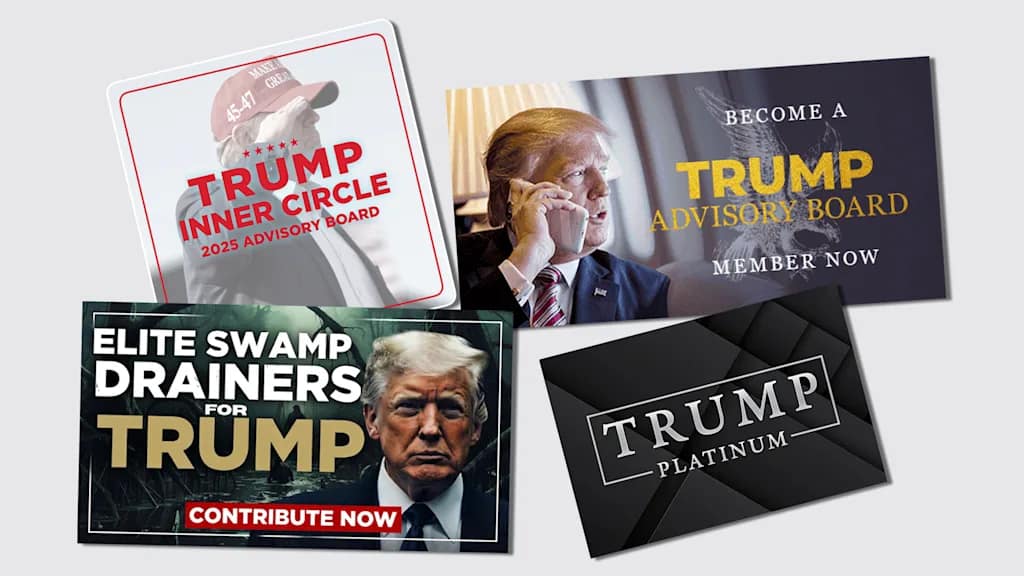
Custom logos for various fundraising campaigns — such as “Elite Swamp Drainers for Trump” and “Trump Platinum” — further amplify the illusion of exclusivity. This branding tactic invites supporters to feel a sense of belonging to a select group, all while maintaining Trump as the focal point of the narrative.
The Implications of Omission
By strategically omitting Vance’s name from campaign branding, Trump appears to be crafting a narrative that leaves room for speculation regarding his future endorsements. Political analysts, including SoRelle Wyckoff Gaynor from the University of Virginia, suggest that this shift indicates Trump’s desire to keep options open for potential successors, whether that be Vance or other prominent figures within the Republican Party.
Moreover, this rebranding is not merely superficial; it reflects a deeper strategy rooted in loyalty dynamics. Historically, Trump has demonstrated a fluid relationship with his vice-presidents, and this latest iteration of branding reinforces that narrative. In doing so, it raises questions about how he perceives his alliances as he navigates the complex landscape leading up to the 2028 presidential race.
Fundraising as a Political Tool
Fundraising is a crucial element of modern political campaigns, and Trump’s approach highlights a trend toward leveraging personal branding to maximize outreach. The PAC, Never Surrender, retains a significant portion of the funds raised, with Vance’s leadership PAC receiving a mere 5% of the proceeds despite the absence of his name in communications. This reality signals a strategic prioritization of Trump’s brand over collective party efforts.
In a political environment where constituents are often swayed by personal allegiance rather than party ideology, Trump’s branding choices reinforce his centrality in the MAGA movement. The logos serve as a reminder that for many, support for the movement is intrinsically linked to support for Trump as an individual.
The Miami Connection
Miami, a vibrant hub of political engagement and wealth, stands as a microcosm of these branding dynamics. As a city with a diverse electorate and a significant number of politically active residents, the implications of Trump’s rebranding efforts resonate here. Miami’s political landscape, characterized by a blend of traditional and innovative campaign strategies, mirrors the branding shifts seen in Trump’s campaign.
Moreover, with Miami being a key location for fundraising events and political rallies, the strategies employed by Trump and his team will inevitably influence local political dynamics. The city, often seen as a bellwether for broader national trends, may reflect the outcomes of these branding initiatives in the upcoming electoral cycles.
A Reflection on Political Identity
The evolution of Trump’s campaign logos represents more than mere branding; it encapsulates the intricacies of modern political identity. By focusing on his name and image, Trump reinforces his position at the helm of a movement that thrives on personal loyalty. As the political landscape continues to shift, the significance of branding in shaping perceptions and guiding political allegiances remains paramount. The logos tell a story — one of ambition, strategy, and the enduring power of individual identity in the realm of politics.
Editorial note: This article was created by A Bit Lavish Miami’s Magazine as an original editorial reinterpretation based on publicly available reporting. Original source: fastcompany.com. Read the original article here: https://www.fastcompany.com/91537689/trump-latest-logos-leave-out-vice-president-vance.
Images are used for editorial reference with source credit. If an image requires correction or removal, please contact A Bit Lavish.









Navigating the Digital Landscape: Protecting Yourself from iCloud Phishing Scams
Learn how to recognize and avoid iCloud phishing scams that target iPhone...
 2 Mins read

Navigating the Unpredictable Economy: Insights for Miami’s Leaders
Explore the evolving economic landscape and its implications for Miami's market. Discover...
2 Mins read
The Resurgence of Women’s Basketball: A New Era for the WNBA
Explore the transformative journey of the WNBA as it enters its 30th...
3 Mins read


Navigating Uncertainty: The Rise of Prediction Markets in Public Health Crises
Explore the rise of prediction markets like Polymarket and Kalshi, as they...
3 Mins read
Leave a comment