
The Wealth Divide: A Call for Fairness in Miami’s Economic Landscape

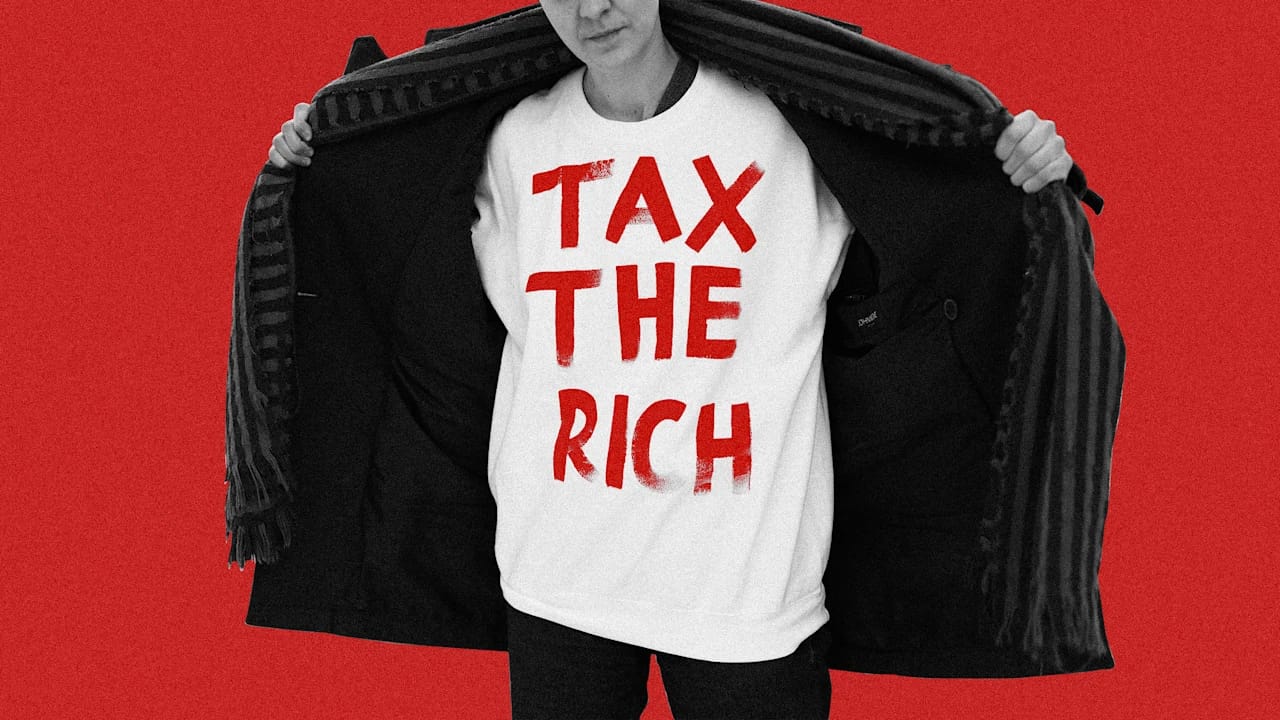
Understanding the Growing Divide
As Miami evolves into a beacon of wealth and opportunity, the conversation surrounding economic disparity intensifies. The recent consideration of a pied-à-terre tax in New York—targeting second homes valued at over $5 million—has reignited discussions on how to address wealth inequality. In a climate where high-net-worth individuals hold significant political and social influence, the question remains: should the wealthy bear a greater tax burden to support the broader community?
The Reaction from the Elite
In a recent earnings call, Steven Roth, CEO of Vornado Realty Trust, expressed his discontent with the sentiment of taxing the rich, equating it to hate speech. Roth’s comments highlight a sentiment among some affluent individuals who perceive calls for higher taxes as personal attacks rather than legitimate policy discussions. He pointed to a spat between New York City Mayor Zohran Mamdani and billionaire Ken Griffin, suggesting that such rhetoric undermines the achievements of those at the top of the economic ladder.
However, this perspective starkly contrasts with the views of many Americans. According to a 2025 Harris poll, a significant majority believe that the wealth amassed by billionaires obstructs their own paths to prosperity. This disconnect raises critical questions about the narrative surrounding wealth and success in America, especially in a vibrant city like Miami, where the elite and everyday citizens often coexist within close proximity.
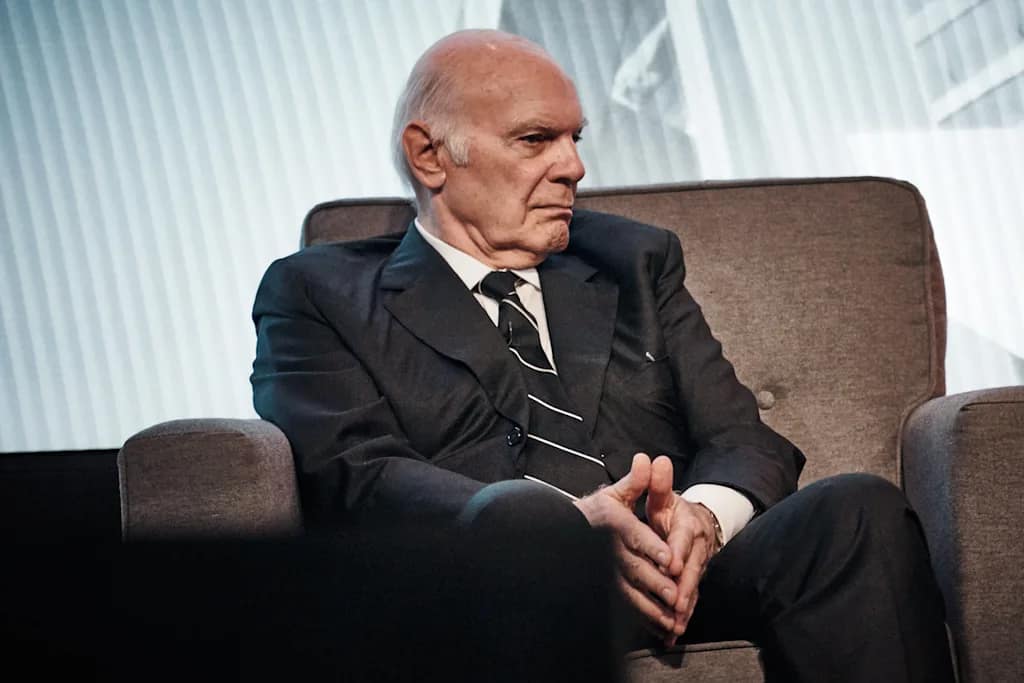
A Different Perspective on Wealth
Not all wealthy individuals share Roth’s views. Erica Payne, founder of the Patriotic Millionaires, advocates for progressive taxation, arguing that wealthy citizens must contribute more to mitigate the wealth gap. Payne’s organization comprises affluent individuals who recognize that since 1975, an astonishing $80 trillion has shifted from the bottom 90% of Americans to the top 1%. This staggering wealth transfer underscores the urgent need for a re-evaluation of fiscal policies.
Payne warns that the concentration of wealth poses a threat to democracy itself, asserting that economic inequality correlates with the erosion of democratic institutions. In a city like Miami, where diversity and opportunity are celebrated, the implications of wealth concentration are particularly poignant. The voices advocating for a fairer tax system reflect a growing sentiment that the current economic structure needs an overhaul.
Taxation: A Necessary Measure?
As the debate unfolds, the rationale for taxing the wealthy becomes clearer. Payne argues that current tax systems disproportionately burden the lower-income population, which has become increasingly untenable. After significant tax reforms in 2017, billionaires found themselves with lower effective tax rates than average citizens. This disparity prompts calls for a more equitable taxation framework that ensures all citizens contribute fairly to the economic health of the nation.
The Emotional Response of the Wealthy
Critics of high-net-worth individuals often highlight their emotional reactions to discussions of taxation as a sign of insecurity. As Payne points out, many affluent individuals struggle to reconcile their wealth with the realities faced by the majority of Americans. The notion that their financial success is purely a result of meritocracy is increasingly challenged by the structural inequalities embedded in the economy.
In Miami, where luxury developments meet socio-economic challenges, the dialogue surrounding wealth and responsibility is crucial. The narrative that wealthy individuals create jobs and drive economic value is often countered by evidence suggesting that large corporations can undermine local economies. For instance, the expansion of retail giants like Walmart has been linked to job losses in competing businesses, revealing the complexities of how wealth is generated and distributed.
Reimagining Economic Success
The insistence by some wealthy individuals that taxing them threatens economic stability reflects a deeper misunderstanding of the role of taxation in society. As Payne argues, the real threat lies in maintaining an economic system that rewards the few while neglecting the many. Advocating for a more progressive tax structure not only promotes fairness but also fosters a healthier, more balanced economy.
As Miami continues to grow as a hub of innovation and wealth, the discussions around taxation and economic responsibility will remain vital. The challenge lies in bridging the gap between the affluent and the broader community, ensuring that prosperity is shared rather than concentrated. By embracing a more equitable approach to taxation, Miami can lead the way in setting a new standard for wealth distribution, ultimately benefiting all residents of this vibrant city.
Editorial note: This article was created by A Bit Lavish Miami’s Magazine as an original editorial reinterpretation based on publicly available reporting. Original source: fastcompany.com. Read the original article here: https://www.fastcompany.com/91537743/saying-tax-the-rich-hurts-wealthy-mens-feelings-not-taxing-billionaires-hurts-everyone-else.
Images are used for editorial reference with source credit. If an image requires correction or removal, please contact A Bit Lavish.










Redefining AI Power: Elon Musk’s Strategic Move with Anthropic
Explore Elon Musk's decision to lease computing power to Anthropic and its...
 ABL3 Mins read

Unveiling the Environmental Toll of Nicotine Products: A Call to Action
Exploring the hidden environmental costs of nicotine products, the urgent need for...
ABL2 Mins read
Navigating Crisis: The Global Implications of Tensions in the Strait of Hormuz
An in-depth analysis of the geopolitical dynamics surrounding the Strait of Hormuz...
ABL2 Mins read



Navigating Change: Insights for Today’s CEOs
Explore essential strategies for CEOs to lead successful transformations in an era...
ABL2 Mins read
Leave a comment