
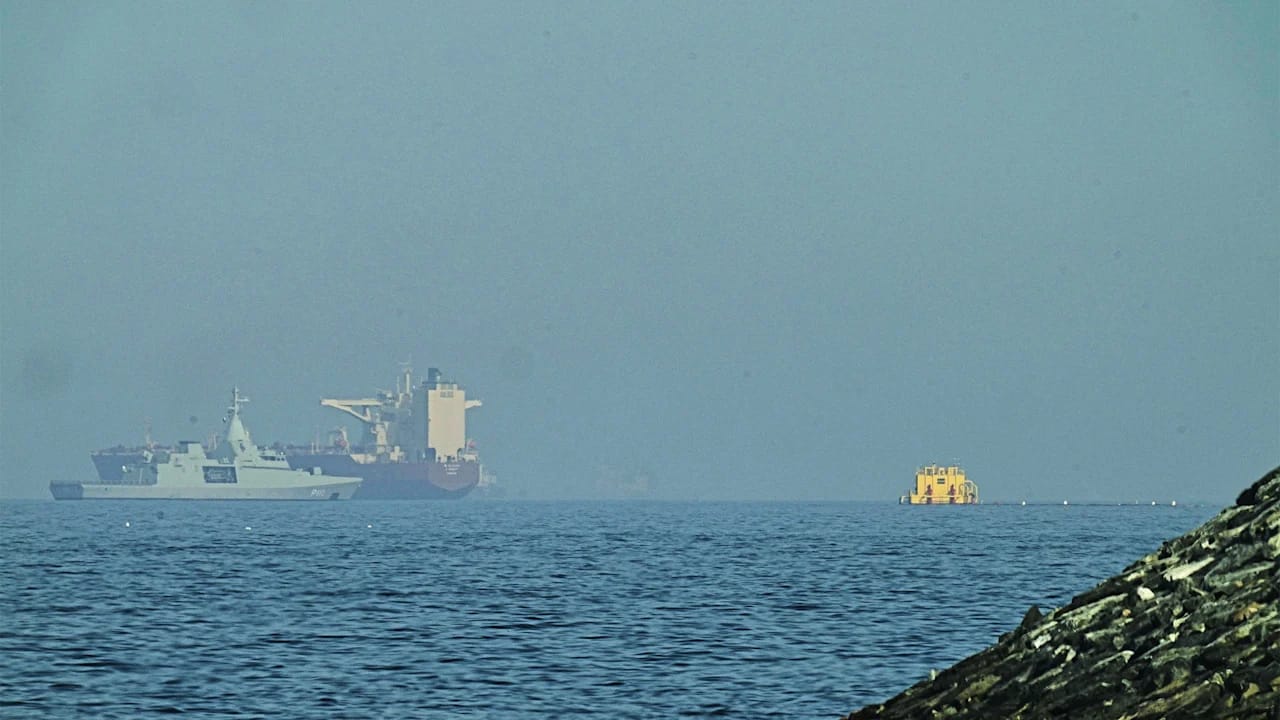
Complex Geopolitical Landscape
The ongoing tensions surrounding the Strait of Hormuz have cast a long shadow over global economic stability, spotlighting the intricate interplay of diplomacy, warfare, and market dynamics. As the U.S. government intensifies pressure on Iran, the implications extend well beyond the immediate region, influencing oil prices, international shipping, and diplomatic relations among major powers.
A Fragile Ceasefire and Mixed Messages
Since the outbreak of hostilities on February 28, the situation has been marked by a fragile ceasefire, largely upheld since early April. However, recent developments reveal a narrative fraught with contradictions. U.S. military actions, including the targeting of an Iranian oil tanker, suggest an aggressive stance, while President Trump’s social media communications hint at a potential resolution, albeit under the threat of escalated military action.
Trump’s declaration that “the bombing starts” if Iran fails to agree to U.S. proposals exemplifies the precarious balancing act of diplomacy amid open conflict. The fluctuating messages from the Trump administration raise questions about long-term strategies and the feasibility of reaching a sustainable agreement.
The Economic Ripple Effect
The closure of the Strait of Hormuz—a critical artery for global oil trade—has already begun to reverberate through international markets. With hundreds of merchant ships unable to transit, oil prices have surged, leading to significant economic implications for countries reliant on these shipments. Hapag-Lloyd, a major shipping company, has reported losses of approximately $60 million weekly due to the blockade, underscoring the financial stakes in this geopolitical chess game.
For Miami, a hub for international trade and tourism, the repercussions are particularly relevant. Rising fuel costs and disrupted supply chains can have downstream effects on consumer prices and local businesses, highlighting the interconnectedness of global events and local economies.
Diplomatic Maneuvers and Regional Stability
Amidst the threats and military posturing, diplomatic efforts continue to unfold. Pakistan has positioned itself as a mediator, engaging in continuous dialogue with both the U.S. and Iran to facilitate a peaceful resolution. The hope is that an agreement could stabilize the region and restore the free flow of commerce through the Strait of Hormuz.
China’s involvement further complicates the situation, as its longstanding ties with Iran give it a unique leverage point. The Chinese government has called for a comprehensive ceasefire, reflecting a desire to maintain stability in a region critical to its energy needs. The complexities of these relationships exemplify the multifaceted nature of modern diplomacy, where economic interests often overshadow military strategies.
The Future of U.S.-Iran Relations
The current state of U.S.-Iran relations remains tenuous at best. Reports suggest that the White House is close to crafting a one-page memorandum to resolve the conflict, proposing a moratorium on Iranian uranium enrichment and the lifting of sanctions. However, the Iranian government has expressed strong objections to U.S. proposals, indicating that any potential agreement is fraught with challenges.
This ongoing tension raises critical questions about the future of nuclear negotiations and the broader implications for global peace. The potential for military escalation remains ever-present, highlighting the risks inherent in a strategy that relies heavily on coercion and threats.
Conclusion: A Call for Thoughtful Leadership
As the crisis continues to unfold, the necessity for thoughtful and strategic leadership becomes increasingly clear. The stakes are high, not only for the nations directly involved but for the global economy and international stability. Miami, as a vibrant center of commerce and culture, must remain vigilant and informed about these developments, recognizing that the outcomes of such geopolitical conflicts can shape the landscape far beyond the immediate region.
Editorial note: This article was created by A Bit Lavish Miami’s Magazine as an original editorial reinterpretation based on publicly available reporting. Original source: fastcompany.com. Read the original article here: https://www.fastcompany.com/91538374/trump-pressures-iran-end-war-bombing-starts-no-deal-made.
Images are used for editorial reference with source credit. If an image requires correction or removal, please contact A Bit Lavish.










Redefining AI Power: Elon Musk’s Strategic Move with Anthropic
Explore Elon Musk's decision to lease computing power to Anthropic and its...
 ABL3 Mins read

Unveiling the Environmental Toll of Nicotine Products: A Call to Action
Exploring the hidden environmental costs of nicotine products, the urgent need for...
ABL2 Mins read

Navigating Change: Insights for Today’s CEOs
Explore essential strategies for CEOs to lead successful transformations in an era...
ABL2 Mins read


Navigating the Agentic Era: Strategic Insights for Competitive Advantage
Explore how businesses can harness agentic AI to reshape their competitive landscape...
ABL2 Mins read

Leave a comment