
Redefining Data: The Future of Home-Based Mini Data Centers
Innovation at the Intersection of Home and Technology
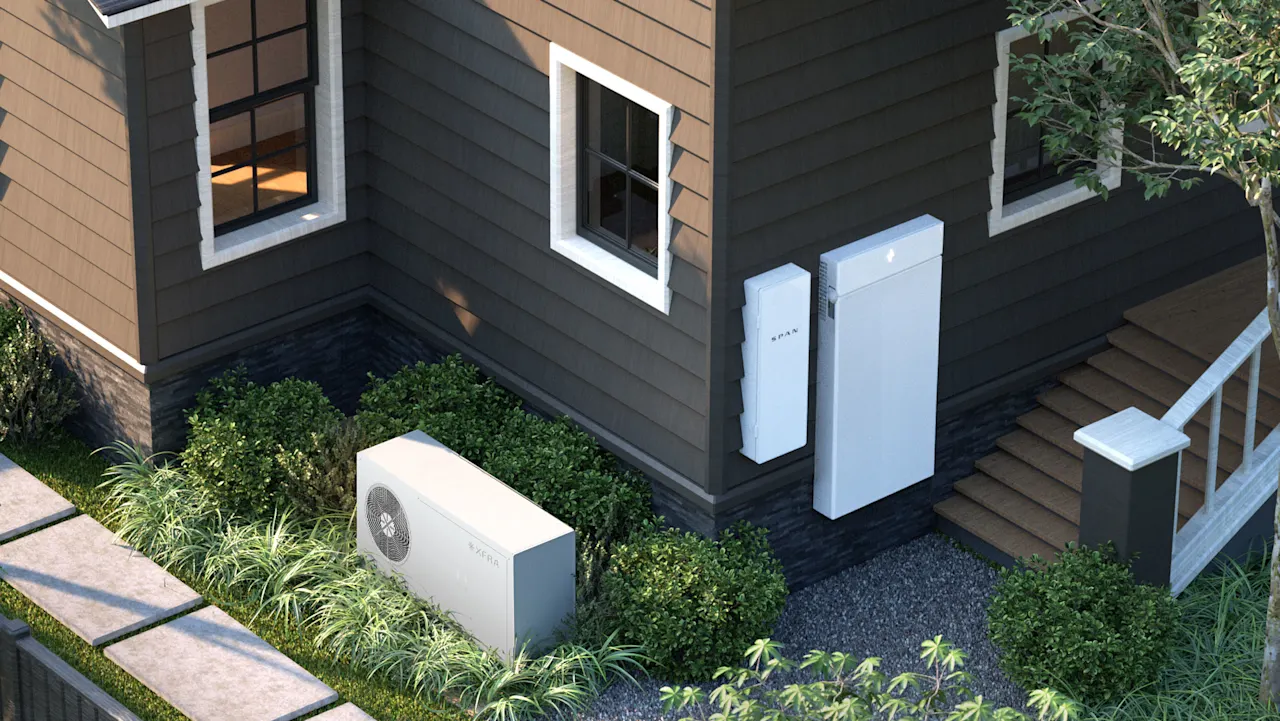
In a world increasingly dependent on data, the demand for computing power is reaching unprecedented levels. As artificial intelligence and other data-intensive services proliferate, the infrastructure required to support these technologies is under immense pressure. Enter Span, a pioneering company that is challenging the conventional data center model by proposing mini data centers that can be installed beside residential homes. This revolutionary concept not only leverages existing energy resources but also redefines the way we think about data processing.
Empowering Households with Technology
Span’s innovative approach revolves around the installation of compact nodes resembling HVAC units, designed to house powerful computing hardware. Each unit is equipped with cutting-edge GPUs and CPUs, allowing non-commercial spaces to contribute to the burgeoning demand for data processing. The idea is elegantly simple yet ambitious: by utilizing underused electricity from homes—where average energy consumption rarely peaks—Span aims to create a distributed network of computing power. This model not only optimizes energy use but also opens new avenues for technology integration in everyday life.
Economic Implications and Incentives
One of the most compelling aspects of Span’s proposal is the financial incentive for homeowners. For hosting a node, Span offers to cover a substantial portion of the homeowner’s electricity and internet bills. This arrangement transforms the home into an active participant in the digital economy, allowing residents to benefit financially while contributing to a larger technological network. However, the success of this model hinges on its ability to provide real value without imposing additional costs on local communities.
Challenges and Uncertainties Ahead
While Span’s concept has garnered attention and interest, it remains largely untested in real-world scenarios. The company is currently in the prototyping phase, with plans to collaborate with homebuilders such as Atlanta-based Pulte Homes to facilitate installations in new developments. However, the rollout of these units has been slow, with only a single prototype placed beside a home to date. The feasibility of this initiative raises critical questions about its scalability and reliability in meeting the demands of AI workloads.
A Community-Centric Approach to Data Processing
The model proposed by Span also presents an intriguing solution to the common resistance faced by new data centers—particularly the concern over increased electricity costs for local residents. As new facilities are built, the potential for heightened energy expenses often sparks local opposition. Span’s strategy of leveraging existing household energy may not only alleviate these concerns but could also foster community engagement in the tech landscape. By distributing computing tasks across a network of homes, the initiative could ease the burden on the power grid, potentially leading to lower costs for everyone involved.
The Role of Partnerships in Innovation
The collaboration with industry giants like Nvidia demonstrates the power of strategic partnerships in driving innovation. Although Nvidia has not directly invested in Span, its involvement as a thought partner signifies the importance of industry backing in exploring new technological frontiers. As Span continues to refine its offerings, the potential for future collaborations could open doors to new markets and opportunities, positioning the company as a leader in the evolving landscape of decentralized computing.
Looking Ahead: The Future of Home-Based Data Centers
As we stand on the brink of a technological revolution, the concept of home-based mini data centers could redefine our relationship with energy consumption and computing power. While the path forward is still unfolding, the intersection of technology and community engagement holds remarkable promise. In Miami, a city known for its innovative spirit and entrepreneurial drive, the adoption of such initiatives could catalyze a new era of smart living, where homes are not just spaces for habitation but active participants in the global digital economy.
Editorial note: This article was created by A Bit Lavish Miami’s Magazine as an original editorial reinterpretation based on publicly available reporting. Original source: fastcompany.com. Read the original article here: https://www.fastcompany.com/91539193/home-side-mini-data-centers-are-untested-and-come-with-risks.
Images are used for editorial reference with source credit. If an image requires correction or removal, please contact A Bit Lavish.










Navigating the New Frontier: Leadership in the Age of Agentic AI
Explore how leaders can reclaim agency in a world increasingly driven by...
 3 Mins read

From Layoffs to Rehires: The Unfolding Narrative of AI in the Workforce
Explore how the AI narrative is reshaping employment strategies, revealing the importance...
2 Mins read

Limited-Time Kamaʻāina Discounts Announced at Hyatt Buffet
Hyatt's discount initiative highlights the importance of local tourism recovery amidst ongoing...
1 Mins read



Freddy Krueger Returns to Pop Culture Spotlight Amidst Global Nostalgia
The resurgence of Freddy Krueger reflects a significant cultural moment, highlighting evolving...
1 Mins read
