

Rising Concerns in a Globalized World
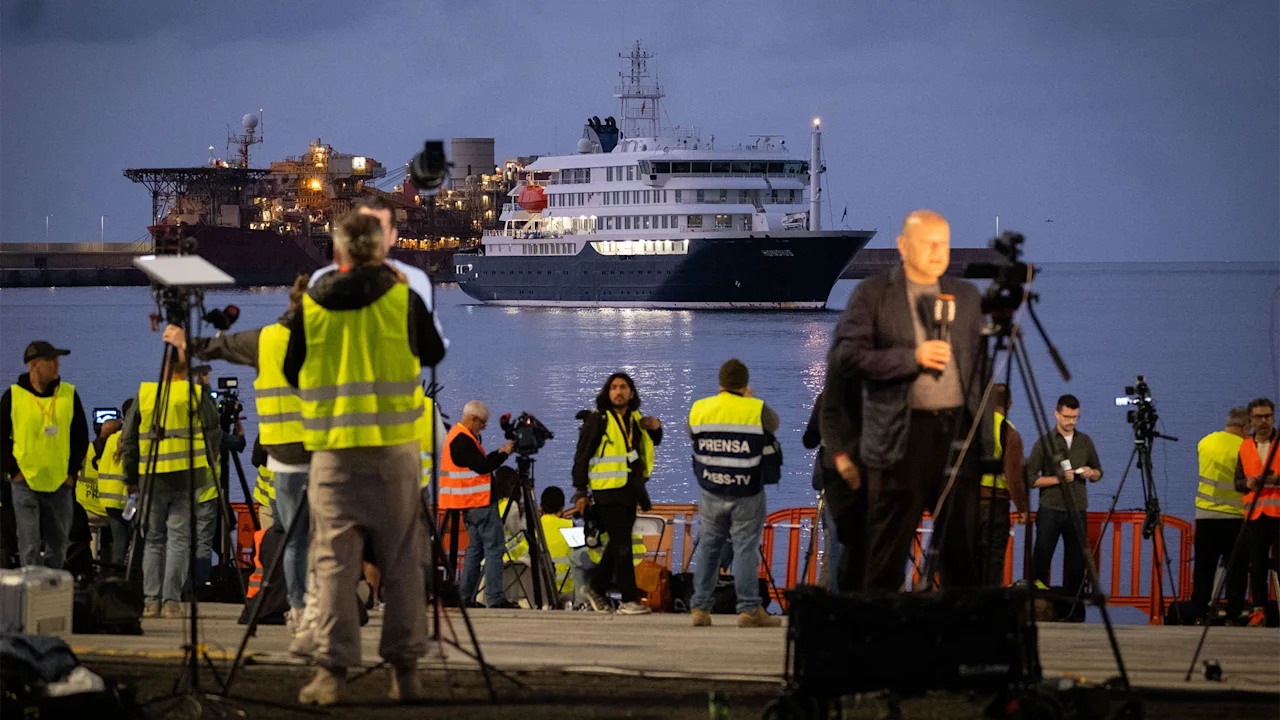
The recent hantavirus outbreak associated with the M/V Hondius cruise ship has raised significant alarms, prompting a coordinated response from governments and health authorities worldwide. With the repatriation of 17 American citizens confirmed to have been aboard the vessel, the situation underscores the ongoing challenges of managing health crises in a globally interconnected environment.
Government Response: A Swift Repatriation
In response to the outbreak, the U.S. Department of Health & Human Services (HHS) has mobilized its resources to ensure the safe return of American passengers. The repatriation operation, which involves airlifting individuals from Tenerife, Spain, to the National Quarantine Center in Omaha, Nebraska, highlights the strategic measures being employed to mitigate health risks. This facility, known for its capacity to monitor and care for individuals exposed to high-consequence pathogens, plays a critical role in managing the situation effectively.
Understanding Hantavirus: Symptoms and Risks
The hantavirus, particularly the Andes strain, presents unique challenges, with symptoms that may manifest anywhere from one to eight weeks post-exposure. Early indicators include fatigue, fever, and muscle aches, which can escalate to severe respiratory issues in later stages. Such symptoms not only complicate individual health outcomes but also raise concerns about potential transmission dynamics, especially given that the Andes strain can be spread between humans.
Public Health Perspective: Risk Assessment
Experts have assessed the risk to the general public as low, primarily due to the limited transmissibility of the Andes strain. The CDC has emphasized that, while human-to-human transmission is possible, it is rare and typically confined to close-contact environments. This nuanced understanding is crucial in alleviating fears reminiscent of the COVID-19 pandemic, as officials clarify that the current outbreak does not mirror the circumstances of widespread viral transmission seen in recent years.
Impact on Travel and the Cruise Industry
The cruise industry, already navigating challenges from the pandemic era, must now contend with the implications of this outbreak. Enhanced health protocols and passenger screening are likely to become standard practices as operators strive to reassure travelers. As we examine the intersection of health security and the travel sector, it is evident that confidence in safety measures will be pivotal in restoring consumer trust.
Future Considerations: Preparedness and Innovation
This outbreak serves as a reminder of the importance of robust public health infrastructure and preparedness strategies. As the world learns from past experiences, the integration of innovative health technology and design thinking into travel plans will be vital. From improved health monitoring systems to enhanced passenger education, the path forward must prioritize safety while fostering a resilient travel ecosystem.
In this age of global travel, understanding and responding to health challenges is no longer a niche concern but a central aspect of operational strategy for industries reliant on mobility. The lessons learned from the hantavirus outbreak will undoubtedly shape future policies and practices, ensuring that travel remains a safe and enriching experience for all.
Editorial note: This article was created by A Bit Lavish Miami’s Magazine as an original editorial reinterpretation based on publicly available reporting. Original source: fastcompany.com. Read the original article here: https://www.fastcompany.com/91539796/hantavirus-outbreak-update-us-cruise-ship-passengers-andes-strain-case-symptoms.
Images are used for editorial reference with source credit. If an image requires correction or removal, please contact A Bit Lavish.










Navigating the New Frontier: Leadership in the Age of Agentic AI
Explore how leaders can reclaim agency in a world increasingly driven by...
 3 Mins read

From Layoffs to Rehires: The Unfolding Narrative of AI in the Workforce
Explore how the AI narrative is reshaping employment strategies, revealing the importance...
2 Mins read

Limited-Time Kamaʻāina Discounts Announced at Hyatt Buffet
Hyatt's discount initiative highlights the importance of local tourism recovery amidst ongoing...
1 Mins read



Freddy Krueger Returns to Pop Culture Spotlight Amidst Global Nostalgia
The resurgence of Freddy Krueger reflects a significant cultural moment, highlighting evolving...
1 Mins read
