
Coyote Time: A New Chapter in the Evolving Narrative of Public Art
 ABLUpdated 4 months Ago2 Mins read84

The Intersection of Culture and Place
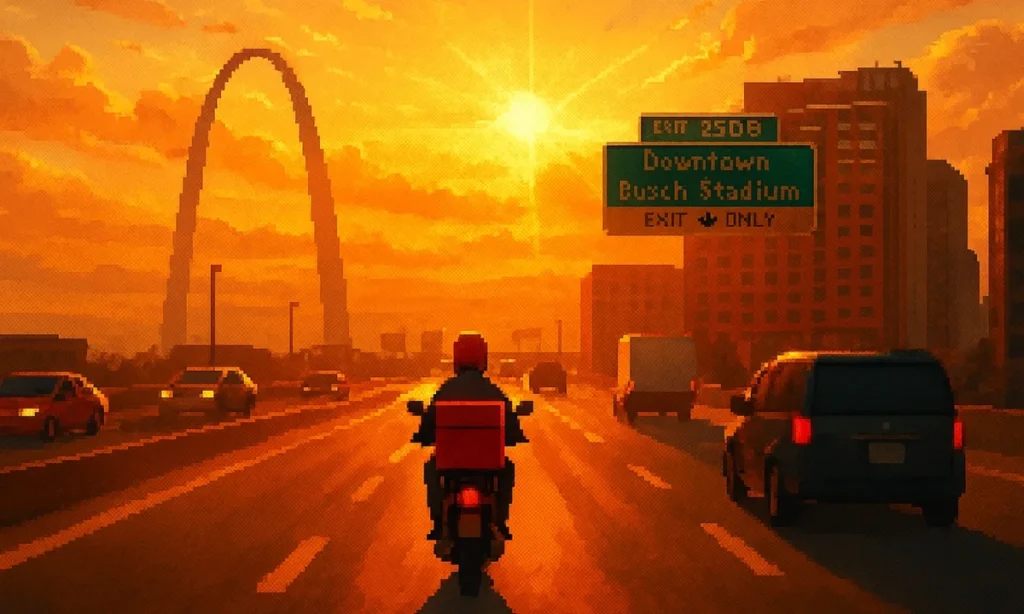
As the art world gears up for its next significant event, the much-anticipated Coyote Time triennial emerges from its St. Louis roots to captivate audiences in New York City. This third edition of the dynamic public art initiative not only showcases cutting-edge performances and installations but also delves into the deeper cultural narratives that shape our understanding of public spaces.
A Performance to Remember
At the heart of Coyote Time’s New York debut is a landmark performance by the distinguished Oglála Lakȟóta artist, Kite. Scheduled to take place at The Shed, this performance is a testament to the power of art as a medium for storytelling and cultural expression. Kite’s work often draws from personal and collective histories, weaving in themes of identity, resilience, and connection to the land, making it a fitting centerpiece for the exploration of public art in contemporary society.
Frieze New York: A Convergence of Artistic Perspectives
The collaboration between Coyote Time and Frieze New York is particularly significant, as it not only elevates the visibility of the triennial but also integrates a diverse range of artistic perspectives. Frieze, known for its commitment to fostering innovative art practices, provides a vibrant platform for dialogues around public art, inviting both seasoned collectors and new audiences to engage with the works and the narratives they embody.

Understanding the Triennial’s Roots
Originating from St. Louis, the Coyote Time triennial has established itself as a pivotal event in the public art calendar, bringing together artists, curators, and communities to explore the implications of art in public spaces. The initiative encourages a rethinking of how art interacts with its environment and the audiences it serves, fostering a sense of belonging and community engagement. This focus on place-based narratives is vital, especially in a city like Miami, where public art plays an integral role in shaping cultural identity.
The Significance of Public Art Today
In an era marked by social upheaval and a reevaluation of shared spaces, public art has taken on an increasingly crucial role. It serves as both a reflection of societal values and a catalyst for change. Initiatives like Coyote Time provoke thought and dialogue, challenging viewers to reconsider their relationship with their surroundings. The act of placing art in public view transforms landscapes, encouraging interaction and engagement across diverse communities.
Legacy and the Future of Coyote Time
As Coyote Time embarks on this new chapter, its impact on the public art landscape remains to be seen. The triennial not only celebrates artistic innovation but also emphasizes the importance of provenance—the stories behind the art and the artists who create it. This focus on the legacy of artists like Kite is essential for collectors and enthusiasts alike, as it elevates the conversation around ownership, authenticity, and cultural heritage.
Collector Psychology and Market Significance
For collectors, understanding the narrative behind a piece is as vital as the artwork itself. The evolving nature of public art, particularly as demonstrated by initiatives such as Coyote Time, highlights the intricate relationship between cultural significance and investment potential. As Miami continues to thrive as an art hub, the intersection of cultural relevance and market value will undoubtedly influence collector psychology, shaping the future of art acquisition.
Editorial note: This article was created by A Bit Lavish Miami’s Magazine as an original editorial reinterpretation based on publicly available reporting. Original source: theartnewspaper.com. Read the original article here: https://www.theartnewspaper.com/2026/05/11/counterpublic-triennial-st-louis-comes-to-frieze-new-york-coyote-time.
Images are used for editorial reference with source credit. If an image requires correction or removal, please contact A Bit Lavish.






Navigating Fantasy: The Allure of Rare Literary Cartography
Explore the captivating intersection of literature and cartography in an upcoming Zurich...
 3 Mins read

Cuauhtémoc Medina: Curatorial Visionary Set to Elevate Guatemala’s Bienal de Arte Paiz
Explore the profound impact of Cuauhtémoc Medina's curatorial approach as he prepares...
2 Mins read

Unveiling Deception: The Forgery Scandal Shaking the Art World
An in-depth exploration of the Giuliano Ruffini forgery scandal, its implications for...
2 Mins read



Transition at the Top: A New Era for the Art Gallery of Ontario
As Stephan Jost steps down from his role at the Art Gallery...
2 Mins read
