
Emerging Narratives: Iran’s Continued Commitment to the Venice Biennale

Artistic Diplomacy Amidst Change
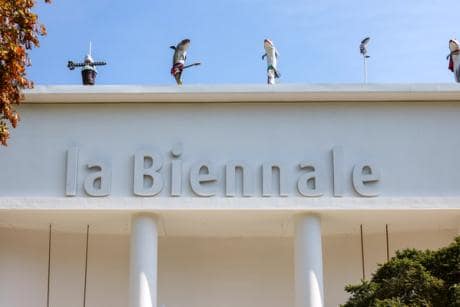
The Venice Biennale is not merely an exhibition; it is a global platform fostering dialogue, cultural exchange, and artistic expression. As one of the most prestigious art events in the world, it serves as a barometer for international art trends and political climates. In a recent development, Iran has reaffirmed its intention to participate in the 2026 edition, countering earlier announcements about its withdrawal.
Negotiations in Progress
Mahdizadeh Tehrani, a key figure from Iran’s Ministry of Culture and Islamic Guidance, has emphasized that the nation is actively engaged in negotiations regarding its pavilion at the Biennale. This commitment reflects a deeper cultural narrative: one where art transcends political boundaries, allowing for a nuanced exploration of identity and heritage.
The Significance of National Pavilions
Each country’s pavilion at the Venice Biennale is a unique opportunity to showcase its artistic prowess and cultural narratives. For Iran, participation not only highlights its contemporary art scene but also serves as a platform for dialogue amid a complex geopolitical landscape. The Biennale becomes a space where artworks can challenge perceptions and foster understanding, making it crucial for nations with rich cultural histories to engage.
Understanding the Stakes
- Cultural Representation: For Iran, the Biennale represents an opportunity to display its artistic achievements and cultural narratives to a global audience.
- Political Context: In light of ongoing discussions about international relations, Iran’s presence at the Biennale could be seen as a form of soft diplomacy, using art as a bridge to foster dialogue.
- Market Implications: The visibility that comes with participation at such a prestigious event can enhance the global standing of Iranian artists, potentially impacting market interest and investment in their work.
Legacy and Future Prospects
Iranian artists have long been noted for their ability to blend traditional motifs with contemporary themes, creating works that resonate on both a local and global scale. The Venice Biennale serves as a stage for such innovative expressions, allowing Iranian artists to narrate their stories through a modern lens. As negotiations continue, the art community watches closely, eager to witness how Iran will present its narrative and what new contributions will emerge from this intersection of culture and diplomacy.
A Broader Cultural Impact
The discourse surrounding the Biennale is not only about the artworks but also about the stories they tell and the connections they forge. As Iran navigates its participation, it reminds us of the power of art as a universal language capable of bridging divides. The potential for dialogue through creative expression is immense, and the Venice Biennale remains a pivotal arena for such exchanges.
Editorial note: This article was created by A Bit Lavish Miami’s Magazine as an original editorial reinterpretation based on publicly available reporting. Original source: theartnewspaper.com. Read the original article here: https://www.theartnewspaper.com/2026/05/13/iran-has-not-withdrawn-from-2026-venice-biennale-pavilion-commissioner-says.
Images are used for editorial reference with source credit. If an image requires correction or removal, please contact A Bit Lavish.







Navigating Fantasy: The Allure of Rare Literary Cartography
Explore the captivating intersection of literature and cartography in an upcoming Zurich...
 3 Mins read
Cuauhtémoc Medina: Curatorial Visionary Set to Elevate Guatemala’s Bienal de Arte Paiz
Explore the profound impact of Cuauhtémoc Medina's curatorial approach as he prepares...
2 Mins read

Unveiling Deception: The Forgery Scandal Shaking the Art World
An in-depth exploration of the Giuliano Ruffini forgery scandal, its implications for...
2 Mins read



Transition at the Top: A New Era for the Art Gallery of Ontario
As Stephan Jost steps down from his role at the Art Gallery...
2 Mins read
