

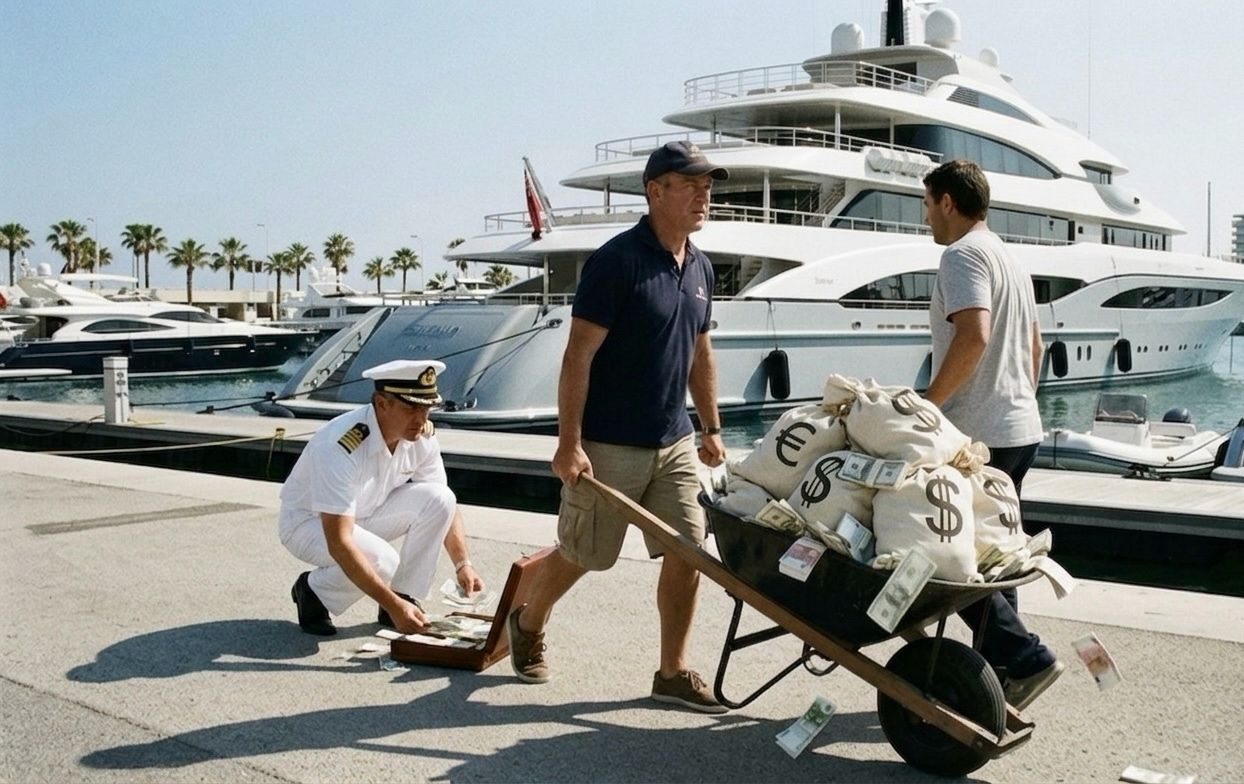
The yachting world enjoyed a post‑2022 surge in demand. Alongside that boom, however, an integrity problem has quietly spread: hidden commissions embedded in maintenance, refit and supply contracts. A recent note from Hominum Yacht Collection frames the issue bluntly — what begins as opportunistic markups can metastasize into industry‑wide distrust and a decline in standards.
How the scheme operates
The pattern is disturbingly consistent. According to the briefing, certain captains or managers cultivate relationships with shipyards and suppliers and secure commission payments — typically in the range of 5% to 15% — for steering work their way. In some cases projects are proposed without technical necessity, padding budgets by hundreds of thousands of dollars so intermediaries can collect their kickbacks. Where owners do not scrutinize detailed expenses, these arrangements find fertile ground.
The consequences for owners and the sector
What might appear as isolated malfeasance is, in Hominum’s assessment, systemic. The immediate impacts are straightforward: inflated operating and refit costs, and the diversion of funds away from genuinely needed maintenance. Over time the implications deepen. Owners grow weary of being treated as inexhaustible revenue sources and some are voting with their yachts — exiting the market or curtailing investment. Equally pernicious is the erosion of the captain’s traditional role as custodian of the vessel and steward of the owner’s interests, replaced in some instances by a transactional, commission‑driven mindset.
Why this matters to the luxury yachting market
Luxury marine assets rely on trust, long‑term stewardship and reputation. When procurement and project management are compromised by undisclosed financial incentives, the quality of maintenance declines, insurance and resale dynamics shift, and investor confidence is undermined. The result is not only higher costs for individual owners but a tangible risk that the wider market contracts under its own ethical weight.
Key highlights
- Post‑2022 growth has coincided with increased competition among service providers.
- Reported commission rates range from 5% to 15% on contracts steered to preferred suppliers.
- Unnecessary or unjustified projects are sometimes created to generate kickbacks.
- Owners’ limited oversight can enable these practices to persist.
- Consequences include owner attrition, cost inflation and deteriorating maintenance standards.
Hominum’s prescription is succinct: fewer commissions and more professionalism. The future health of the sector depends on renewed transparency in procurement and a re‑centering of the captain’s role as protector of the owner’s interest — not as a gatekeeper for third‑party revenue.
If the industry is to preserve both the tangible value of its vessels and the intangible value of its reputation, stakeholders must confront these practices directly and restore accountability across refit, supply and management chains. Luxury should not be synonymous with impunity.
Make publications with A Bit Lavish in Miami, Florida. Contact us at 305-332-1942










Navigating Independence Day: Essential Boating Tips for a Safe and Memorable Celebration
Prepare for a spectacular Fourth of July on the water with these...
 2 Mins read
Revolutionizing Offshore Adventures: The Elite Fishing Yachts of Today
Explore the pinnacle of offshore fishing boats that blend luxury, performance, and...
3 Mins read
Viking 70 Convertible: The Pinnacle of Sportfishing Excellence
Explore the Viking 70 Convertible, a high-performance sportfishing yacht designed for serious...
2 Mins read


Discover Elegance at Sea: The Princess 78 Motor Yacht
Explore the luxurious Princess 78 motor yacht, a masterpiece of design and...
2 Mins read
