
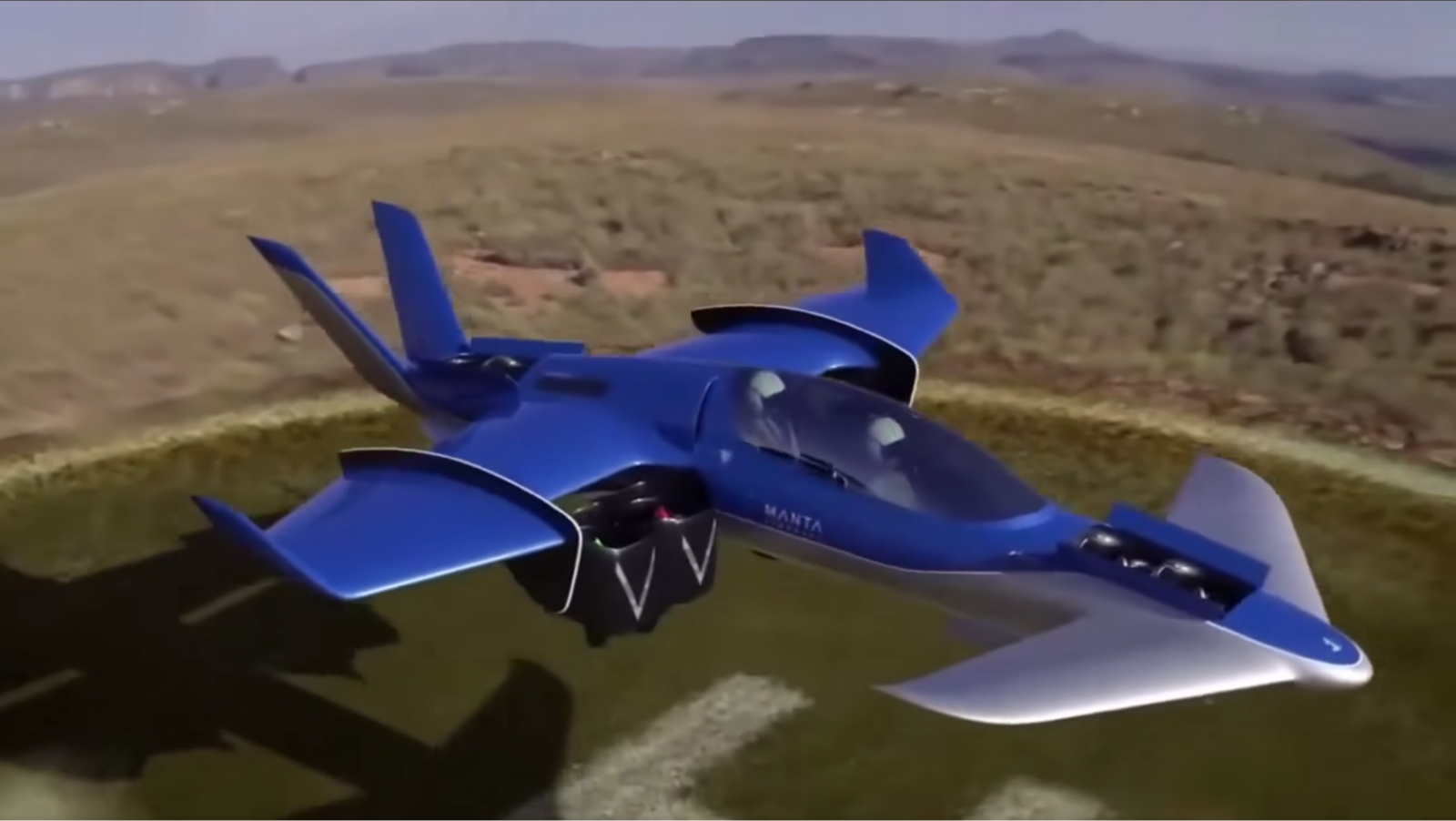
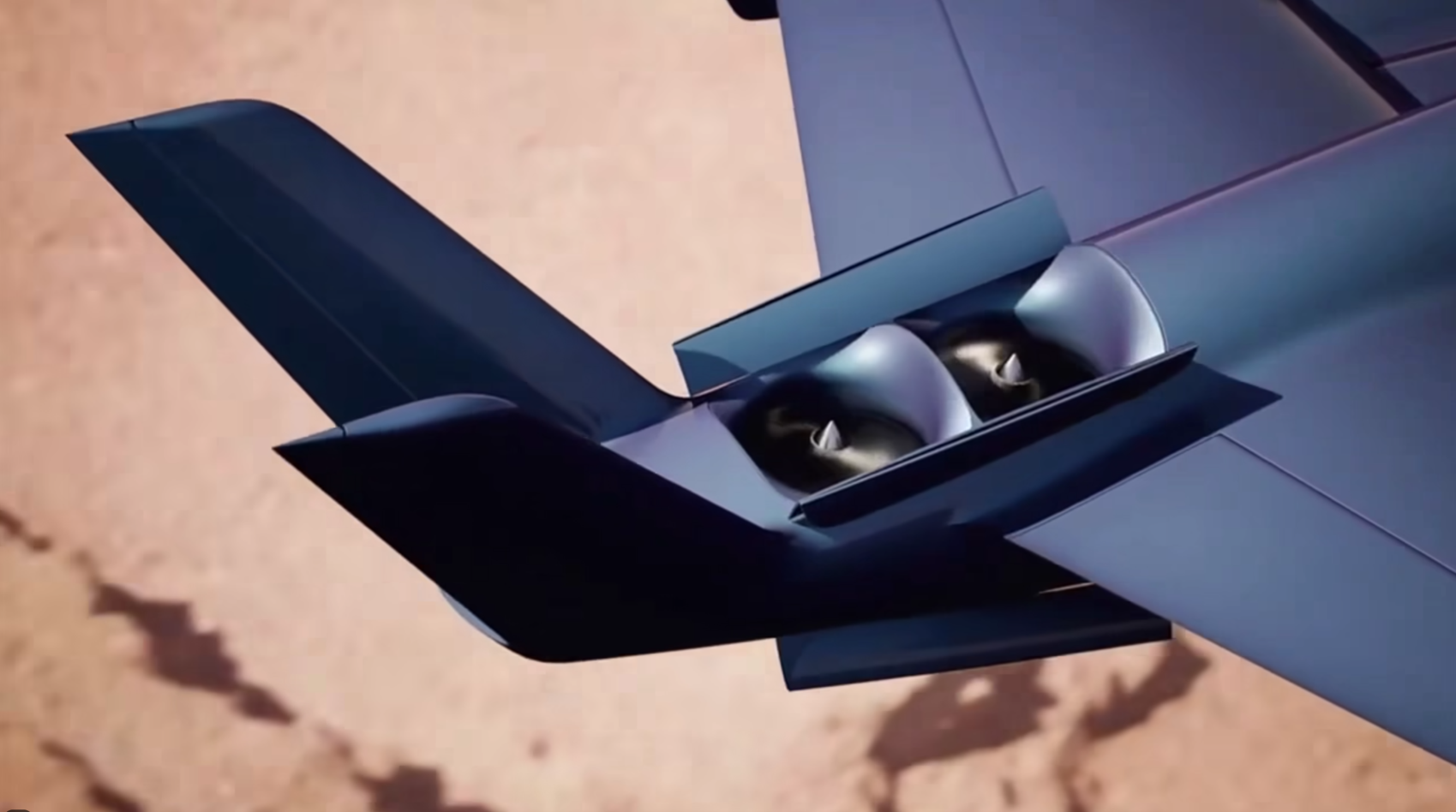
In a concise LinkedIn note, Ethen Laing, CEO of LAING International, argued that hybrid‑electric vertical takeoff and landing (VTOL) concepts are accelerating a broader redefinition of personal and regional mobility. He cited designs from Manta Aircraft as representative of platforms that blend advanced aerodynamics, electric propulsion and vertical/short takeoff capability—technology combinations that, he suggests, will reshape how people and industries connect over the next decade.
What these platforms bring to the table
Hybrid‑electric VTOLs fuse several engineering threads: aerodynamic efficiency, distributed electric propulsion and takeoff/landing flexibility. That technical mix promises aircraft that occupy a niche between traditional helicopters and fixed‑wing commuters—offering quieter operation, lower marginal energy costs and new routing possibilities that are less dependent on runways.
Enablers: materials, power and intelligence
Laing highlights the ripple effects of parallel advances in AI, automation, energy systems and lightweight materials. These developments are not ancillary; they are central to making compact, efficient VTOLs practical and safe at scale. Improved battery energy density and hybrid architectures extend range; automation and AI facilitate more reliable flight control and traffic integration; lightweight composites reduce structural penalties that would otherwise curtail payload or range.
Beyond speed: systemic impacts
According to Laing, the next generation of transportation won’t simply move people faster. It will demand and drive changes across infrastructure, logistics, emergency response, tourism and everyday urban planning. Vertiports, distributed charging or refueling networks, air traffic management for low‑altitude corridors and integration with ground mobility will be among the adaptations required for these aircraft to deliver on their promise.
Who’s in the picture
The post names Manta Aircraft as an exemplar of hybrid‑electric VTOL concepts and points readers to LAING International for further insights into the manufacturing and digital technologies underpinning these advances. The message is less about a single product and more about the ecosystem—aircraft designers, energy and materials suppliers, AI and automation specialists—that needs to mature in parallel.
Industry context: why this matters
VTOL concepts have moved from speculative renderings to demonstrators and prototypes over recent years. As these platforms approach operational feasibility, they present a near‑term vector for disruption in regional transit and point‑to‑point urban mobility. For manufacturers, suppliers and operators, the race is not only to build an aircraft but to secure the surrounding systems—maintenance, energy supply, traffic management and regulatory frameworks—that will determine commercial viability.
- Hybrid‑electric VTOLs combine electric propulsion with aerodynamic designs and vertical/short takeoff capability.
- Progress in AI, automation, energy systems and lightweight materials is critical to practical deployment.
- Impacts extend beyond transport speed to infrastructure, logistics, emergency services and tourism.
- Companies like Manta Aircraft are representative of a broader ecosystem evolution highlighted by industrial innovators such as LAING International.
As Laing notes, these converging technologies compress timelines and blur the lines between aviation, robotics and smart mobility. For industry observers and investors, the coming decade will be defined by who can orchestrate the technical pieces into safe, scalable operations—and by how cities and regions adapt their infrastructure to accommodate a new class of aircraft.
Make publications with A Bit Lavish in Miami, Florida. Contact us at 305-332-1942








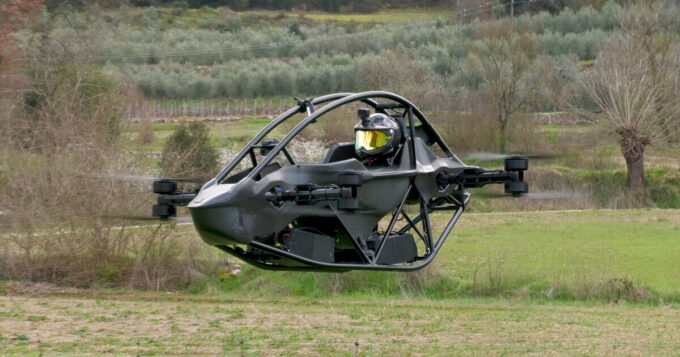
Jetson One 2026: A Personal eVTOL Priced at 148,000 Signals New Era for Recreational Flight
Presented as the world’s first personal air vehicle, the Jetson One 2026...
 ABL2 Mins read
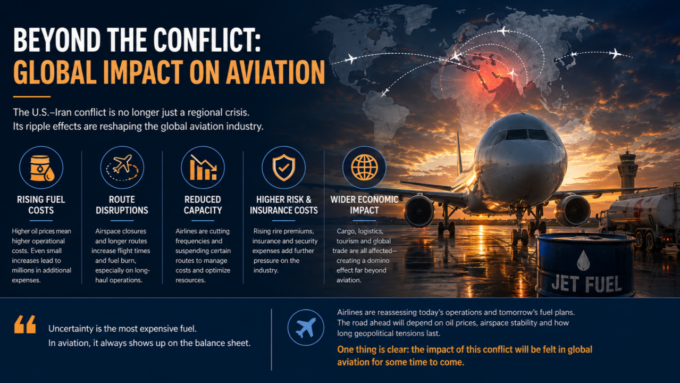
Jet Fuel Shockwaves: How U.S.–Iran Tensions Are Reshaping Airline Operations
Escalating U.S.–Iran tensions are forcing airlines to reassess fuel planning, curtail flights...
ABL2 Mins read
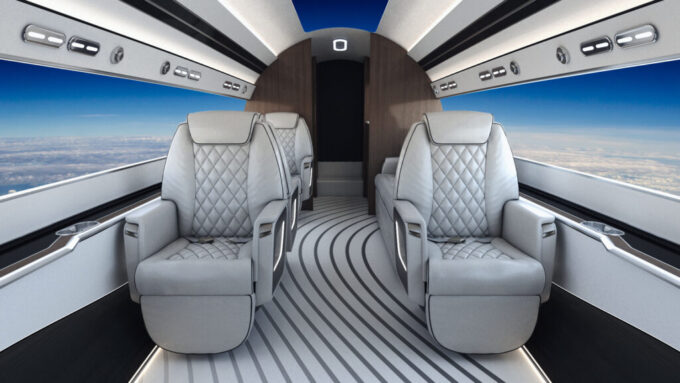
Luxury Jet Swaps Cabin Windows for Video Screens
The Future of Air Travel: Windowless Jets and Virtual Views For many...
ABL3 Mins read



Coco Gauff Teams Up with flyExclusive for Exclusive Luxury Jet Experience
Coco Gauff Teams Up With flyExclusive For Luxury Private Jet Travel In...
ABL5 Mins read
