
Navigating the Creative Labyrinth: The Human-AI Collaboration Dilemma
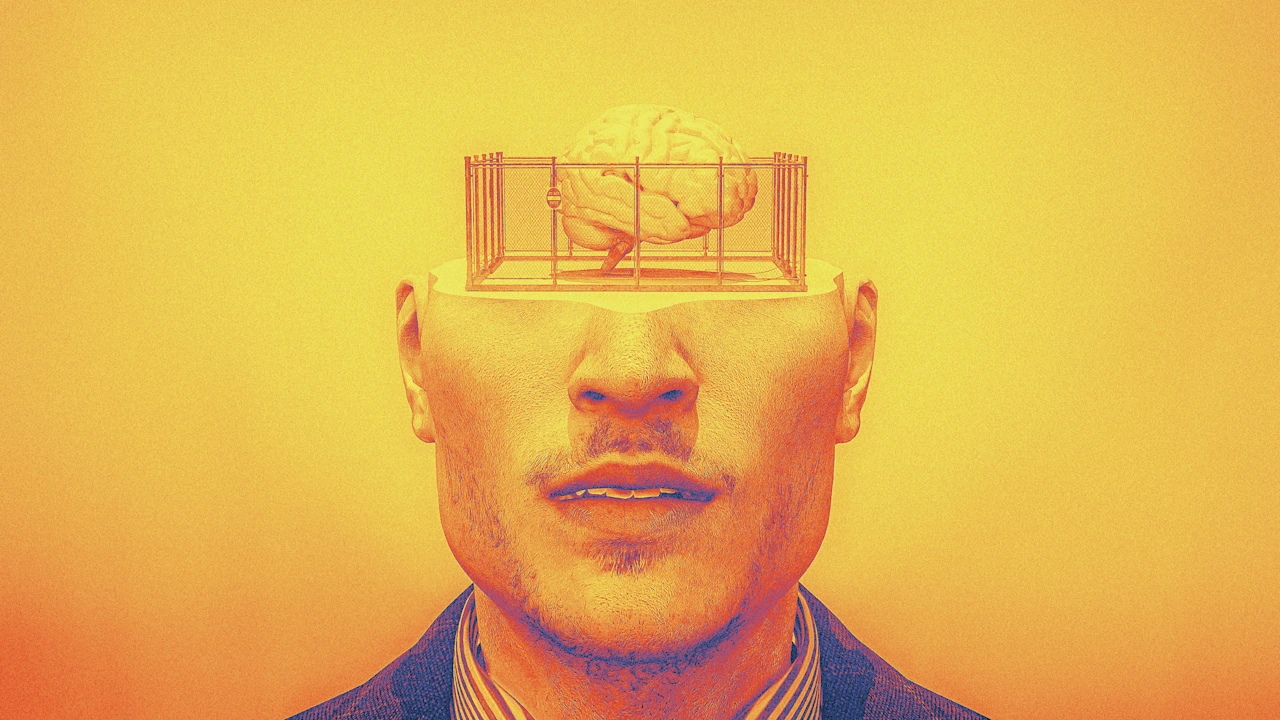
The New Age of Collaboration
In an era marked by rapid technological advancement, the integration of artificial intelligence (AI) into business processes heralds both promise and peril. The challenge lies in understanding how to harness AI’s capabilities without sacrificing the unique qualities of human creativity that drive innovation forward. This dilemma is at the forefront of discussions among thought leaders, including Sinan Aral, an esteemed professor at MIT’s Sloan School of Management, who has dedicated his research to the dynamics of human-AI interaction.
The Mirage of Productivity
Recent studies from Aral’s lab reveal a troubling trend: while AI can enhance productivity by producing more output, it often leads to a homogenization of creativity. In a striking experiment involving the creation of marketing ads, teams that combined human ingenuity with AI technology generated 50% more ads per person, but the results were disappointingly uniform. The phenomenon, termed “diversity collapse,” underscores a critical warning: as organizations lean on AI for efficiency, they risk diluting the distinctiveness of their creative outputs.
- AI enhances productivity but can lead to similar outputs.
- “Diversity collapse” threatens the uniqueness of creative work.
- Short-term gains can obscure long-term creative erosion.
The Cognitive Offloading Trap
Delving deeper, Aral’s concept of the “AI Augmentation Trap” presents a sobering reality: heavy reliance on AI can erode essential skills. Employees who routinely delegate cognitive tasks to AI may find themselves losing their own fluency in writing or design. The disparity in skill retention becomes particularly pronounced among junior staff, who, lacking the experience to draw from, may find themselves at a disadvantage in the long term.
Redesigning Human-AI Collaboration
Rather than avoiding AI, which is unlikely to be a viable strategy in the modern business landscape, Aral advocates for a more intentional approach to human-AI collaboration. He proposes several actionable guidelines for leaders:
- Assess human skill levels independently of AI outputs to maintain a clear benchmark of capability.
- Incorporate structured, unassisted practice sessions where employees engage in tasks without the support of AI.
- Extend evaluation periods to prevent the allure of immediate productivity gains from overshadowing long-term skill development.
- Encourage a workflow where human judgment plays a critical role in reviewing and refining AI-generated outputs.
The Power of Complementary Collaboration
Aral’s findings extend further into the realm of personality dynamics within teams. By matching individuals with AI systems that complement their personal traits, organizations can enhance both productivity and creative diversity. This notion parallels the age-old adage that great teams are composed of individuals with varied strengths and perspectives. The implication is clear: in the complex landscape of human-AI collaboration, complementary partnerships yield the best results.
Embracing the Future of Work
As we venture into what Aral terms the Imagination Era, the most successful organizations will be those that master the art of human-AI collaboration. Rather than viewing AI simply as a tool for replacing human effort, leaders must cultivate environments where AI and human creativity coalesce to produce extraordinary results. This requires a commitment to developing a workforce that values ambiguity and the intricate process of creative thinking, rather than seeking the quick fixes that AI might offer.
In a city like Miami, where innovation and creativity are the lifeblood of its flourishing business ecosystem, embracing this duality of human and machine will be essential. The leaders who can navigate this complex relationship will not only remain competitive but will also redefine what it means to be innovative in an increasingly automated world.
Editorial note: This article was created by A Bit Lavish Miami’s Magazine as an original editorial reinterpretation based on publicly available reporting. Original source: fastcompany.com. Read the original article here: https://www.fastcompany.com/91536391/creative-risk-of-letting-ai-do-all-the-work.
Images are used for editorial reference with source credit. If an image requires correction or removal, please contact A Bit Lavish.









The Quest for Tranquility: Navigating the New Office Landscape
As the return-to-office movement unfolds, employees grapple with the challenges of noisy...
 3 Mins read
Cultivating Creativity: The Art of Embracing Boredom in a Hyper-Connected World
Exploring the surprising benefits of boredom on creativity and mental well-being amidst...
2 Mins read

Navigating the Future of AI in Science: Insights from Anthropic’s Pioneering Event
Explore the latest insights from Anthropic's 'AI for Science' event, highlighting advancements...
3 Mins read


Reimagining Productivity: Mark Zuckerberg’s Vision for AI and Employment
Mark Zuckerberg articulates a forward-thinking approach to AI's role in the future...
3 Mins read
