
Unveiling Hidden Histories: The Return of a Nazi-Looted Masterpiece

Unearthing the Past
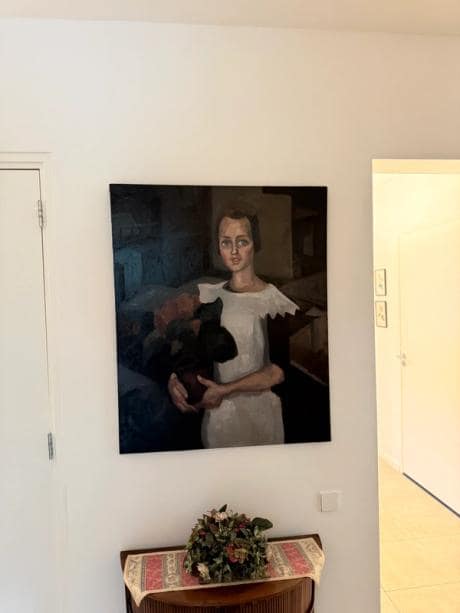
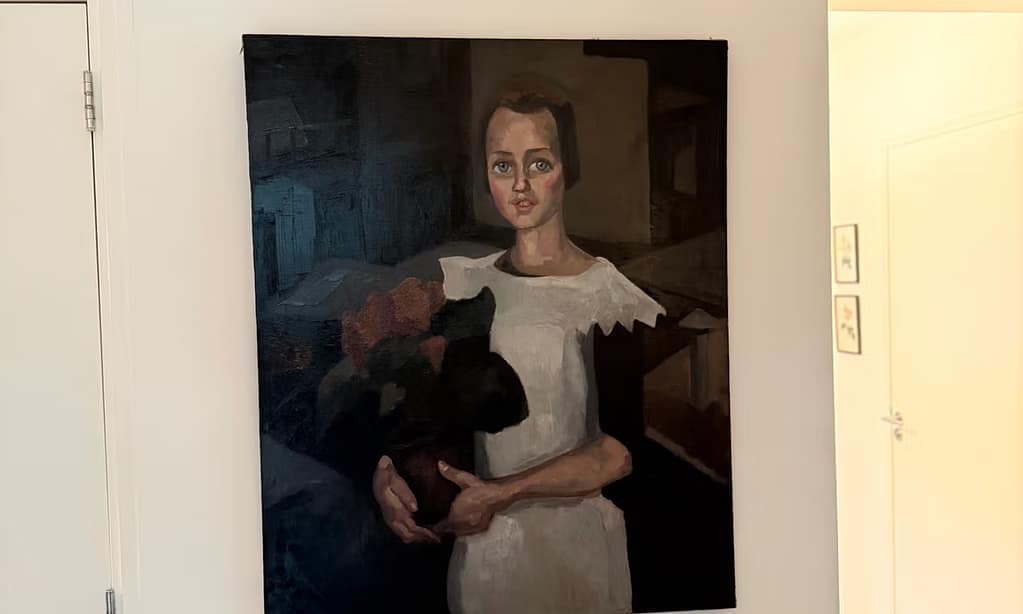
In a remarkable turn of events, a painting looted during World War II has resurfaced in an unexpected location: the residence of a Dutch SS commander’s heirs. This revelation, which has sent ripples through the art world, highlights the complex relationship between art, ownership, and historical accountability.
The discovery came to light when a family member, perhaps laden with the weight of history, reached out to renowned art detective Arthur Brand. This decision to bring the painting to the attention of the authorities signifies a growing awareness and responsibility among descendants of individuals who played roles in the dark chapters of the past.
Art as a Vessel of Memory
Paintings, particularly those that have been displaced due to conflict, often carry with them profound narratives of loss and resilience. The artwork in question is not just a piece of decor; it represents a fragment of cultural heritage that was forcibly removed from its rightful owners. As the art world increasingly engages with issues of provenance, this painting stands as a potent symbol of the ongoing struggle for restitution.
A Tapestry of Provenance
The journey of this artwork is emblematic of the tangled web woven by history. Each brushstroke tells not only of the artist’s vision but also of the tumultuous events that led to its displacement. Understanding the provenance of such pieces is crucial, not just for legal restitution, but for the emotional closure it brings to families who have long awaited the return of their cultural treasures.
Artworks looted during the Nazi regime have been at the forefront of restitution discussions for decades. The discovery of this painting invites a reassessment of the narratives surrounding stolen art and the responsibilities of current owners. As the legacy of these pieces is debated in the halls of museums and auction houses alike, the importance of transparency and ethical ownership becomes ever more critical.
The Role of Art Detectives
Arthur Brand, known for his expertise in recovering stolen art, embodies the intersection of detective work and cultural stewardship. His involvement in this case not only underscores the importance of professional diligence in tracking looted art but also reflects a societal shift toward acknowledging and rectifying historical injustices. In a world where the marketplace often prioritizes profit over ethics, figures like Brand remind us of the human stories intertwined with each piece of art.
Collector Psychology and Legacy
For collectors and investors, the implications of such discoveries extend beyond moral considerations. The provenance of a painting can dramatically affect its market value, with artworks that carry a tainted history often seen as risky investments. Conversely, those with a clear, unblemished lineage command premiums. As Miami continues to grow as a cultural hub, the interplay between art, history, and investment becomes increasingly relevant for collectors navigating this complex landscape.
Miami’s Evolving Art Scene
As this narrative unfolds, Miami’s vibrant art scene stands at the cusp of a similar reckoning. With its rich tapestry of cultures and histories, the city is uniquely positioned to engage with themes of restitution and legacy. Galleries, collectors, and institutions in Miami have a pivotal role to play in fostering dialogues about art’s past, present, and future.
The recent discovery serves as a reminder that the past is never truly behind us, and each painting—whether hung in a gallery or hidden in a home—holds stories waiting to be told. As Miami embraces its role in the global art market, the lessons learned from such discoveries will undoubtedly shape the conversations that define its cultural heritage.
Editorial note: This article was created by A Bit Lavish Miami’s Magazine as an original editorial reinterpretation based on publicly available reporting. Original source: theartnewspaper.com. Read the original article here: https://www.theartnewspaper.com/2026/05/14/nazi-looted-painting-discovered-in-home-of-dutch-ss-commanders-heirs.
Images are used for editorial reference with source credit. If an image requires correction or removal, please contact A Bit Lavish.




Houston’s Art Renaissance: A Canvas of Opportunity
Exploring Houston's burgeoning art scene through the lens of the recent Untitled...
 ABL2 Mins read

Harvesting Talent: Atlanta Art Fair’s Flourishing Platform for Local Artists
Explore how the Atlanta Art Fair is nurturing local talent and shaping...
ABL2 Mins read

Stolen ‘Walking Dead’ Comic Book Resurfaces at Pawn Shop, Seller Linked to Another Theft
A valuable comic book linked to a recent theft has surfaced at...
 2 Mins read


The Eternal Allure of Jean Schlumberger: A Legacy Reimagined
Explore the lasting impact of Jean Schlumberger's innovative jewelry design as Tiffany...
2 Mins read
