

The Evolution of Digital Preservation
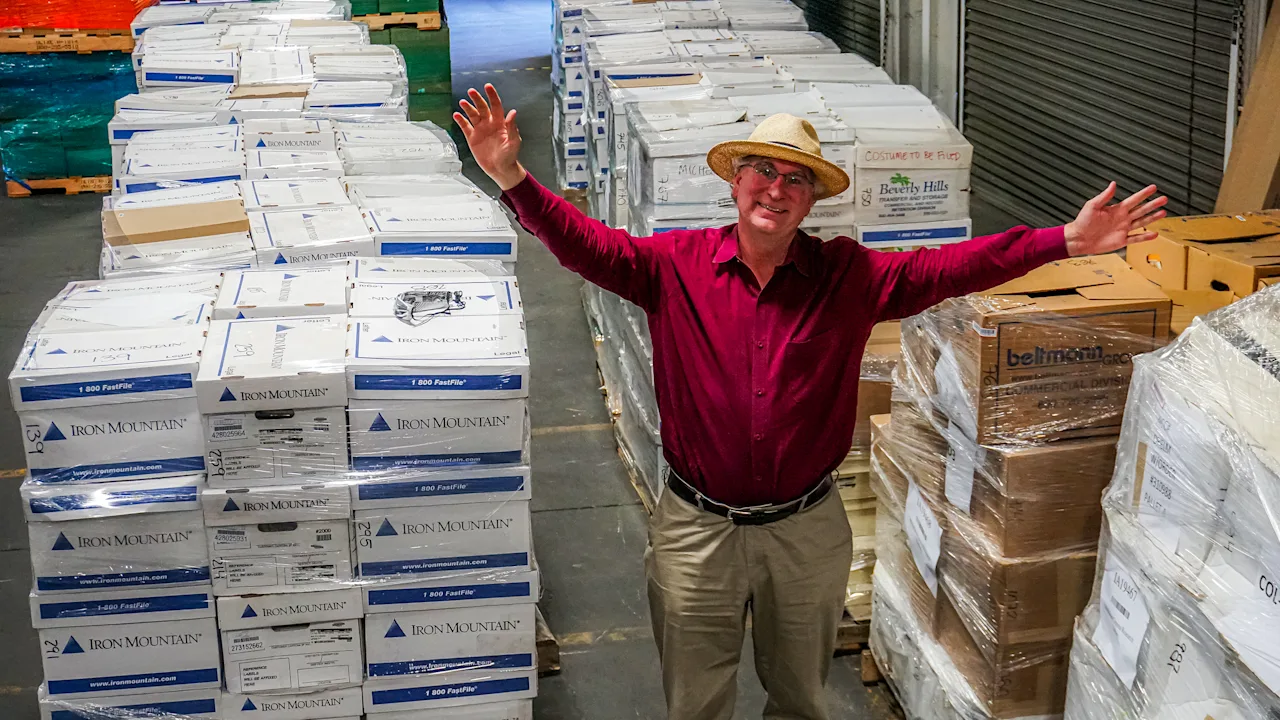
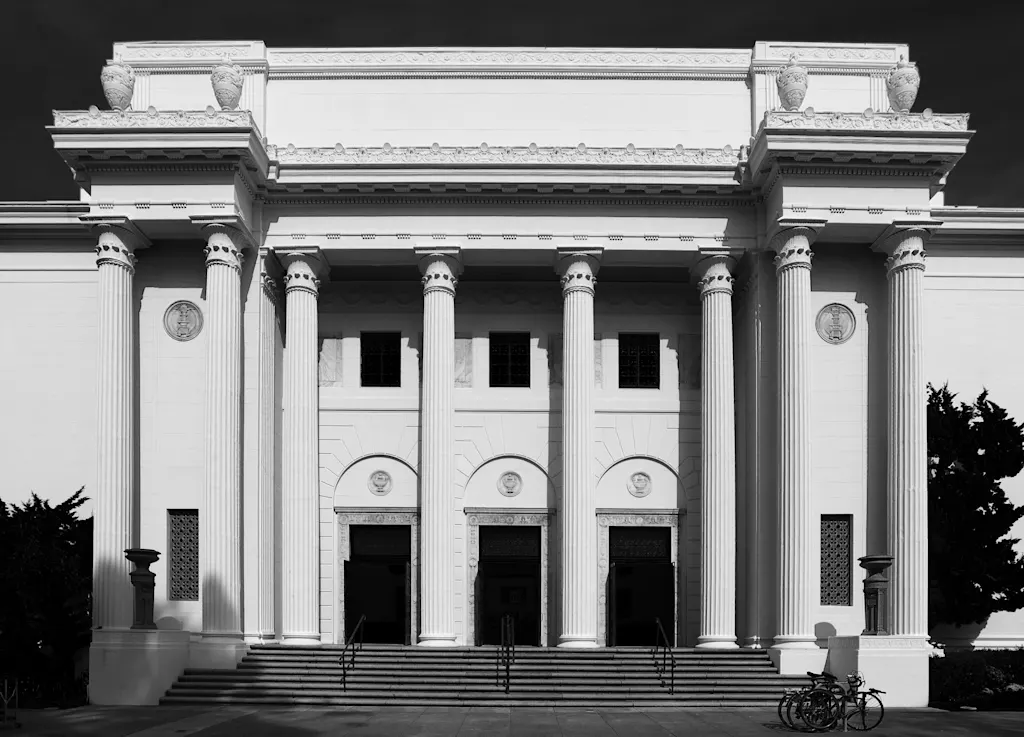
In an age where the digital landscape transforms at lightning speed, one organization stands as a bastion of historical memory—the Internet Archive. Established three decades ago, this nonprofit has grown from a modest endeavor to a colossal repository of over a trillion web pages, serving as a virtual time capsule for the internet. Its flagship feature, the Wayback Machine, allows users to revisit bygone versions of websites, from nostalgic GeoCities pages to the original Google Code of Conduct. This digital library, attracting around 2 million visitors daily, is not just a tool for nostalgia; it embodies a philosophical commitment to preserve the works of humanity.
A Visionary’s Dream
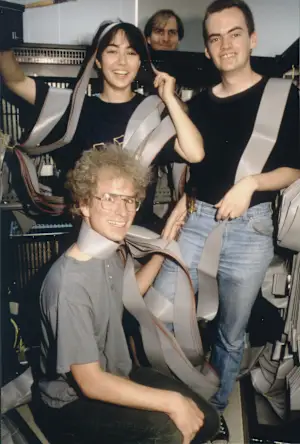
At the helm of this ambitious project is Brewster Kahle, whose vision for the Internet Archive was ignited long before the technology to realize it existed. Kahle’s journey began in the early 1980s, where his fascination with artificial intelligence at MIT laid the groundwork for a future where knowledge would be universally accessible. The pivotal moment came in 1995, when he recognized the potential of web crawling technology to preserve digital content. With a blend of personal investment and innovative partnerships, Kahle birthed the Internet Archive, a project driven by the belief that all human expression deserves to be documented and available.
The Human Touch in a Digital World
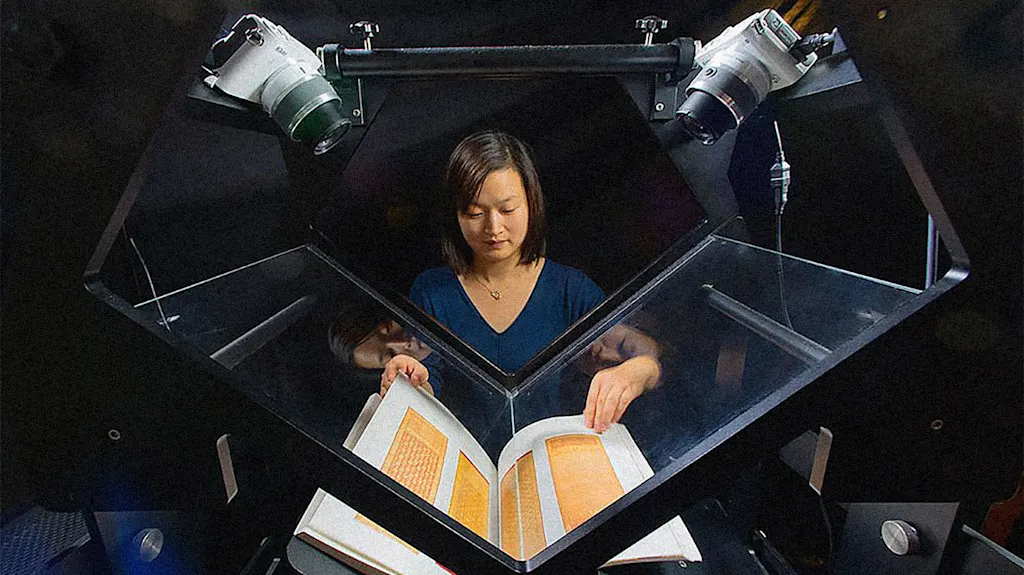
Despite its technological prowess, the Internet Archive’s operations remain notably human-centric. While automated processes manage the archiving of billions of URLs daily, the institution relies heavily on the insights and expertise of its team. Mark Graham, director of the Wayback Machine, emphasizes a collaborative approach, working with over 1,400 partners, including libraries and museums, to prioritize what deserves preservation. This synergy not only enriches the Archive’s collections but strengthens its mission in the face of growing challenges.
New Threats in a Changing Landscape
However, the landscape of digital preservation is shifting dramatically. The rise of artificial intelligence has introduced complexities that threaten the Archive’s mission. Numerous web publishers are erecting barriers against the Wayback Machine, fearing that their content may be harvested for AI training. A notable legal confrontation with book publishers resulted in the removal of over 500,000 titles from the Archive’s collection, underscoring the precarious balance between copyright law and the preservation of cultural heritage. As Kahle reflects, this scenario marks a significant departure from an era defined by innovation and cooperation.
The Cost of Preservation
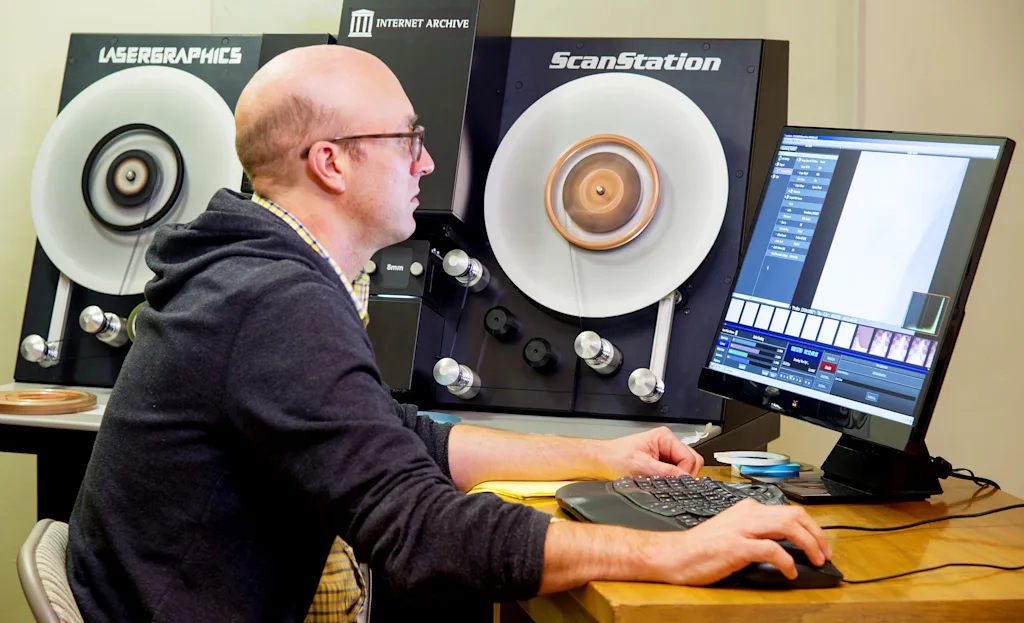
With the increasing demand for data storage driven by AI, the financial ramifications are substantial. Kahle reports that costs for hard drives have surged, complicating the Archive’s operations. As the digital ecosystem evolves, the Archive faces the dual challenge of rising costs and an ever-expanding universe of content, including the burgeoning realms of video and multimedia, which consume significantly more storage than text-based materials. This necessitates a more selective approach to what the Archive can feasibly preserve.
Miami’s Role in Digital Archiving
In the vibrant tapestry of Miami’s cultural landscape, the Internet Archive’s mission finds resonance. As a hub of innovation, the city is home to numerous tech startups, educational institutions, and artistic communities that increasingly rely on digital resources. The challenges faced by the Internet Archive mirror those encountered by local entities striving to balance creativity with copyright compliance. Miami’s rich history of artistic expression and multiculturalism makes the preservation of digital content not just a technical necessity but a cultural imperative.
Looking Forward: A Collective Responsibility
As the Internet Archive navigates these turbulent waters, its future hinges on our collective commitment to preserving digital culture. The ongoing struggle against legal and technological barriers reflects a broader societal debate about ownership and access to knowledge in the digital age. Kahle’s vision continues to inspire, urging us to reconsider our relationship with information and the importance of safeguarding our digital heritage for future generations. In an environment increasingly dominated by licensing and surveillance, the Internet Archive stands as a reminder that the fight for open access and preservation is one that requires vigilance and collaboration from all corners of society.
Editorial note: This article was created by A Bit Lavish Miami’s Magazine as an original editorial reinterpretation based on publicly available reporting. Original source: fastcompany.com. Read the original article here: https://www.fastcompany.com/91539598/internet-archive-at-30-ai-scraping.
Images are used for editorial reference with source credit. If an image requires correction or removal, please contact A Bit Lavish.









The Quest for Tranquility: Navigating the New Office Landscape
As the return-to-office movement unfolds, employees grapple with the challenges of noisy...
 3 Mins read
Cultivating Creativity: The Art of Embracing Boredom in a Hyper-Connected World
Exploring the surprising benefits of boredom on creativity and mental well-being amidst...
2 Mins read

Navigating the Future of AI in Science: Insights from Anthropic’s Pioneering Event
Explore the latest insights from Anthropic's 'AI for Science' event, highlighting advancements...
3 Mins read


Reimagining Productivity: Mark Zuckerberg’s Vision for AI and Employment
Mark Zuckerberg articulates a forward-thinking approach to AI's role in the future...
3 Mins read
