
Reimagining History: The Gulag Museum’s Controversial Transformation
 ABLUpdated 5 months Ago2 Mins read122

A Shift in Narrative
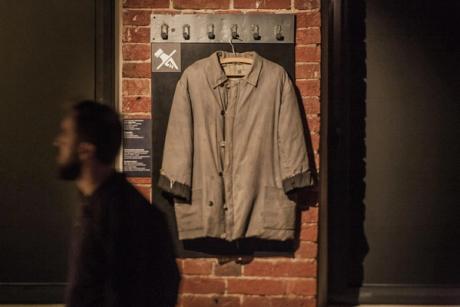
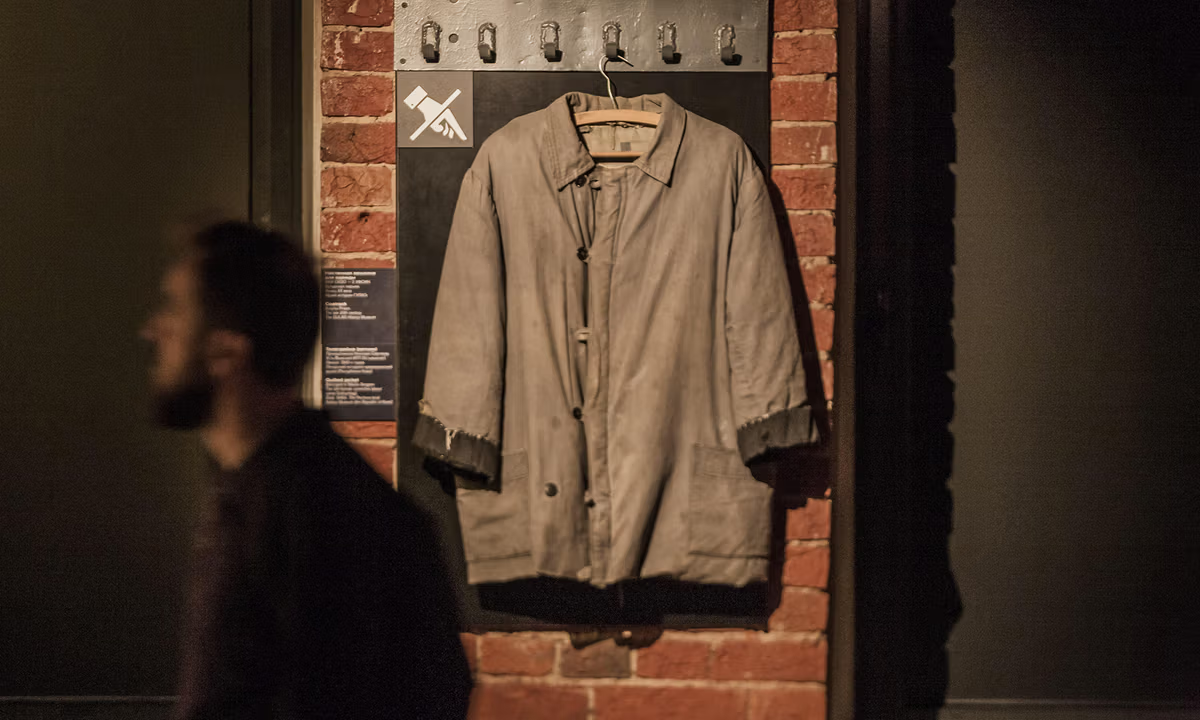
The landscape of cultural institutions often reflects the prevailing political climate, and the recent rebranding of the Gulag Museum in Moscow is a poignant example of this dynamic. As the museum pivots its focus from the repression of the Stalin era to the atrocities committed by the Nazis, it raises significant questions about memory, history, and the role of museums in society.
The Weight of History
The Gulag Museum has long stood as a testament to the grim legacy of the Soviet regime, memorializing the suffering endured by countless individuals during one of the darkest chapters of Russian history. Its previous exhibits illuminated the brutalities of political repression, offering insights into the psychological and societal impacts of totalitarianism. However, the recent decision to shift away from these narratives suggests a deliberate attempt to reshape the museum’s identity in accordance with contemporary political agendas.
Contextualizing Change
This transformation can be seen as part of a broader trend within Russia, where the government has increasingly sought to control the narrative surrounding its past. By emphasizing Nazi crimes over Stalin’s repression, the museum may be attempting to align itself with a more palatable version of history, one that resonates with current nationalistic sentiments. This move not only alters the museum’s mission but also the public’s understanding of historical accountability.
Rarity of Truth in Cultural Narratives
The importance of preserving the integrity of historical narratives cannot be overstated. Museums serve as custodians of our collective memory, and when these narratives are manipulated, the ramifications can be far-reaching. The rebranding of the Gulag Museum raises critical concerns about the rarity of truth in cultural narratives and the psychological implications for collectors and historians alike. As the art and cultural community in Miami and beyond grapples with its own historical narratives, the lessons from the Gulag Museum’s rebranding become all the more relevant.
Collectors and Their Conscience
The shifting focus of the Gulag Museum is also a reminder for art collectors and cultural investors. As they curate their collections, the provenance and narrative surrounding each piece become paramount. Collectors must consider not only the financial value but also the ethical implications of the stories they choose to preserve. In a global art market increasingly driven by social consciousness, the motivations behind acquisitions are evolving, mirroring the complexities seen in institutions like the Gulag Museum.
Miami’s Role in the Cultural Discourse
In Miami, a city that prides itself on its vibrant cultural scene, the dialogue surrounding historical narratives is particularly resonant. With institutions such as the Pérez Art Museum Miami and the Frost Science Museum, local curators and collectors have the unique opportunity to engage with these themes, fostering an environment where history, art, and ethics intertwine. As the world watches the changes at the Gulag Museum, Miami’s cultural leaders can draw inspiration from this moment, ensuring that the stories they tell remain grounded in truth and integrity.
Editorial note: This article was created by A Bit Lavish Miami’s Magazine as an original editorial reinterpretation based on publicly available reporting. Original source: theartnewspaper.com. Read the original article here: https://www.theartnewspaper.com/2026/05/14/gulag-museum-rebrand-marks-latest-phase-in-kremlins-assault-on-free-speech.
Images are used for editorial reference with source credit. If an image requires correction or removal, please contact A Bit Lavish.




Houston’s Art Renaissance: A Canvas of Opportunity
Exploring Houston's burgeoning art scene through the lens of the recent Untitled...
ABL2 Mins read

Harvesting Talent: Atlanta Art Fair’s Flourishing Platform for Local Artists
Explore how the Atlanta Art Fair is nurturing local talent and shaping...
ABL2 Mins read

Stolen ‘Walking Dead’ Comic Book Resurfaces at Pawn Shop, Seller Linked to Another Theft
A valuable comic book linked to a recent theft has surfaced at...
 2 Mins read


The Eternal Allure of Jean Schlumberger: A Legacy Reimagined
Explore the lasting impact of Jean Schlumberger's innovative jewelry design as Tiffany...
2 Mins read
