
Preserving Cultural Heritage: A Call to Action for French Museums
 ABLUpdated 4 months Ago2 Mins read101
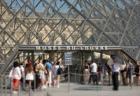
A Wake-Up Call for Cultural Institutions
The recent parliamentary report addressing the state of French museums has sent ripples through the art world, highlighting critical vulnerabilities within these storied institutions. Following a significant security breach at the Louvre, the report emphasizes the urgent need for reform to safeguard not only the physical assets of the nation’s cultural heritage but also their integrity and accessibility to the public.
A Landscape of Vulnerability
As custodians of art and history, museums are increasingly at the mercy of rising threats. The commission’s findings paint a somber picture of the existing conditions of collections, with many artifacts and artworks at risk due to inadequate security measures and lack of funding. This vulnerability is exacerbated by the growing sophistication of theft and vandalism in an era where cultural treasures are more than mere objects—they are investments in collective identity and memory.
Recommendations for a Robust Future
The report outlines a series of 40 recommendations aimed at addressing these pressing concerns. Key proposals include enhancing security protocols, investing in advanced technology for monitoring collections, and fostering a greater collaboration between museums and law enforcement agencies. Additionally, the report advocates for increased public funding, recognizing that the preservation of cultural heritage is not only a matter of national pride but also a crucial element of economic resilience in tourism-driven economies, such as France’s.
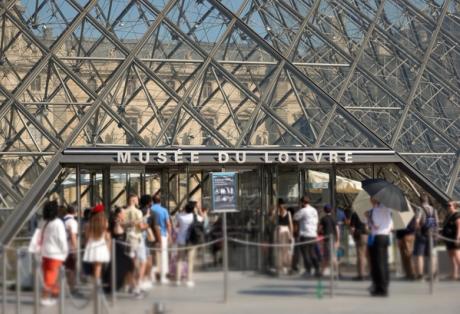
The Role of Museums in Modern Society
In Miami, a city rich with its own vibrant cultural tapestry, the implications of the French report resonate deeply. Museums here are not merely repositories of art; they are dynamic spaces that engage communities, educate future generations, and contribute significantly to the local economy. As Miami’s art scene continues to flourish, the need for robust strategies in protecting art collections becomes paramount. The relationship between cultural institutions and their communities must evolve, with an emphasis on sustainability and accessibility.
Art as an Investment: The Collector’s Mindset
For collectors, the insights from the parliamentary report underscore the importance of provenance and security in the art market. As the value of artworks and artifacts continues to rise, so does the consciousness surrounding their preservation. A collector’s decision to acquire a piece is often intertwined with considerations of its historical significance, condition, and the narratives that accompany it. In a marketplace that increasingly values transparency and ethical practices, the implications of theft or degradation resonate beyond the walls of museums; they affect the very foundation of trust within the art community.
Looking Towards the Future
The findings of the French parliamentary commission serve as a clarion call for museums worldwide to reassess their practices and prioritize the preservation of cultural heritage. As Miami continues to carve out its identity in the global art landscape, it stands to benefit from learning from the challenges faced by its French counterparts. By fostering a culture of vigilance and proactive engagement, cultural institutions can ensure that they not only protect their collections but also continue to inspire and educate future generations.
Editorial note: This article was created by A Bit Lavish Miami’s Magazine as an original editorial reinterpretation based on publicly available reporting. Original source: theartnewspaper.com. Read the original article here: https://www.theartnewspaper.com/2026/05/14/parliamentary-report-calls-for-major-changes-at-frances-museums-in-the-wake-of-louvre-heist.
Images are used for editorial reference with source credit. If an image requires correction or removal, please contact A Bit Lavish.




Navigating Fantasy: The Allure of Rare Literary Cartography
Explore the captivating intersection of literature and cartography in an upcoming Zurich...
 3 Mins read

Cuauhtémoc Medina: Curatorial Visionary Set to Elevate Guatemala’s Bienal de Arte Paiz
Explore the profound impact of Cuauhtémoc Medina's curatorial approach as he prepares...
2 Mins read

Unveiling Deception: The Forgery Scandal Shaking the Art World
An in-depth exploration of the Giuliano Ruffini forgery scandal, its implications for...
2 Mins read



Transition at the Top: A New Era for the Art Gallery of Ontario
As Stephan Jost steps down from his role at the Art Gallery...
2 Mins read
