
Rethinking Urban Mobility: Embracing Quick-Build Strategies for Safer Streets
The Urgency for Safer Streets
In cities across the United States, local leaders are grappling with a pressing dilemma: how to create safer streets without the luxury of time or extensive funding. As they wait for large federal grants or idealized infrastructure projects, the harsh reality is that accidents continue to occur, often resulting in severe injuries or fatalities. Miami, with its bustling streets and vibrant culture, is no exception to this trend. Yet, innovation lies in a proactive approach—one that prioritizes immediate safety enhancements over perfection.
Redefining Space: The Road Diet Approach
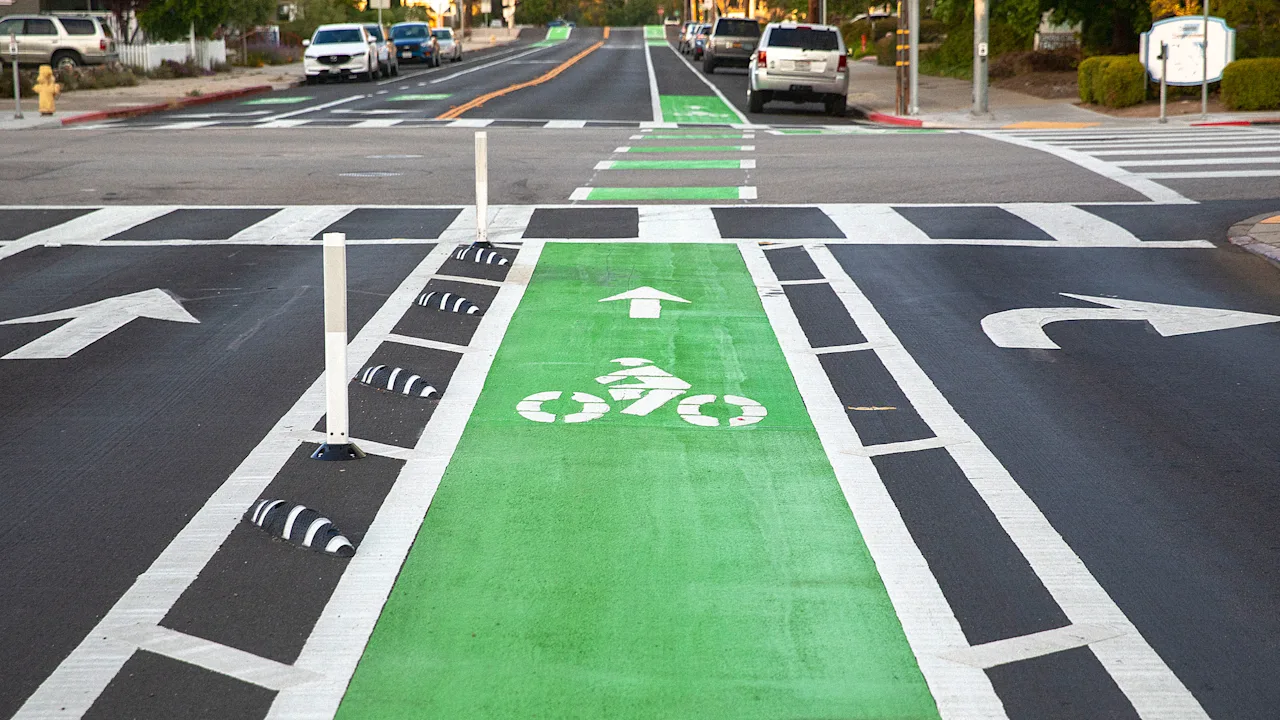
Enter the concept of road diets, an ingenious solution that repurposes existing street space to improve safety for all users, including cyclists and pedestrians. By simply narrowing car lanes on excessively wide streets, cities can carve out dedicated bike lanes, pedestrian refuges, and create an overall calmer traffic environment without resorting to costly reconstruction efforts. For Miami, this strategy presents a unique opportunity to address safety challenges swiftly and effectively.
The Dual Benefits of Quick-Build Methods
Adopting quick-build strategies offers numerous advantages that extend beyond the immediate aesthetic or functional improvements to urban landscapes. A significant body of research indicates that road diets can reduce total crashes by an impressive 19% to 47%, particularly when transitioning from a four-lane undivided road to a three-lane configuration with a central turn lane. This reduction in crashes is attributed to fewer conflict points and improved traffic separation, leading to enhanced safety for drivers, cyclists, and pedestrians alike.
Driving Down Risk and Enhancing Experience
Moreover, the benefits of road diets do not solely revolve around safety; they also promote better driving experiences. Narrowing lanes and reducing the number of through lanes encourages consistent speeds, minimizes aggressive driving behaviors, and ultimately streamlines traffic flow. For Miami’s congested streets, the implementation of dedicated turn lanes can significantly alleviate left-turn delays, contributing to smoother commutes for all road users.
Creating a Pedestrian-Friendly Environment
In addition to catering to vehicles, road diets create invaluable opportunities for pedestrians. By reducing the number of lanes that individuals must cross, exposure to moving traffic is significantly decreased, resulting in shorter crossing times and a marked reduction in pedestrian-related accidents, with some studies suggesting up to a 46% decrease in such incidents. Furthermore, the creation of pedestrian refuge islands and the expansion of sidewalks not only improve safety but also enhance the overall urban experience.
Cost-Effective Solutions: Making Every Dollar Count
One of the most compelling aspects of quick-build strategies is their cost-effectiveness, especially vital for cities like Miami, where budgets may be constrained. For instance, a modest investment of $50,000 could yield up to 20 city blocks of protected bike lanes using paint and flexible posts, whereas the same amount allocated to concrete protection might only cover one or two blocks. This stark contrast in coverage underscores the importance of prioritizing immediate safety enhancements rather than waiting for extensive, costly infrastructure solutions that may take years, if not decades, to materialize.
Staging for Success: A Path Forward
In the context of Miami’s dynamic urban landscape, the staged approach to urban mobility can be transformative. Cities can initiate quick-build projects to establish a basic network of safe streets, demonstrating usage and community support before investing in permanent enhancements. This method not only accelerates the delivery of safer streets but also encourages community engagement and fosters a culture of urban innovation.
As Miami continues to grow and evolve, embracing quick-build strategies like road diets can fundamentally reshape urban mobility, making it safer and more accessible for all residents. The time for action is now—let us capture the territory for safer streets and harden our commitment to a more sustainable urban future.
Editorial note: This article was created by A Bit Lavish Miami’s Magazine as an original editorial reinterpretation based on publicly available reporting. Original source: fastcompany.com. Read the original article here: https://www.fastcompany.com/91540493/road-diets-safety-quick-build-strategies.
Images are used for editorial reference with source credit. If an image requires correction or removal, please contact A Bit Lavish.










Redefining Design: How Inclusive Solutions Elevate the Everyday
Exploring how designing for specific challenges leads to innovations that benefit everyone,...
 3 Mins read

Navigating the Smoke: The Growing Challenge of Wildfire Air Quality
Explore the implications of Canadian wildfires on air quality in urban centers,...
2 Mins read
Unveiling Truth API: The New Frontier in Market Intelligence
Explore how Truth Social's new API service is reshaping market dynamics, offering...
3 Mins read



The Disappearing Act: Why Micro-Cap IPOs Are Fading from the Stock Market
Explore the decline of micro-cap IPOs amid rising mega IPOs, and what...
3 Mins read
