
Controversy Arises Over Proposed Trump Presidential Library in Downtown Miami
A New Chapter in Miami’s Urban Landscape
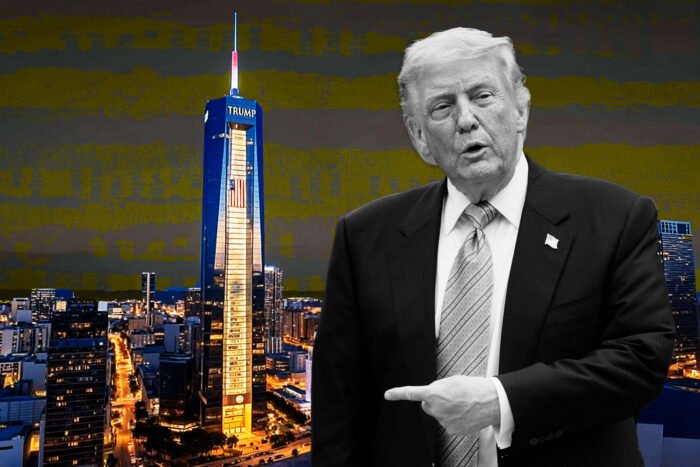
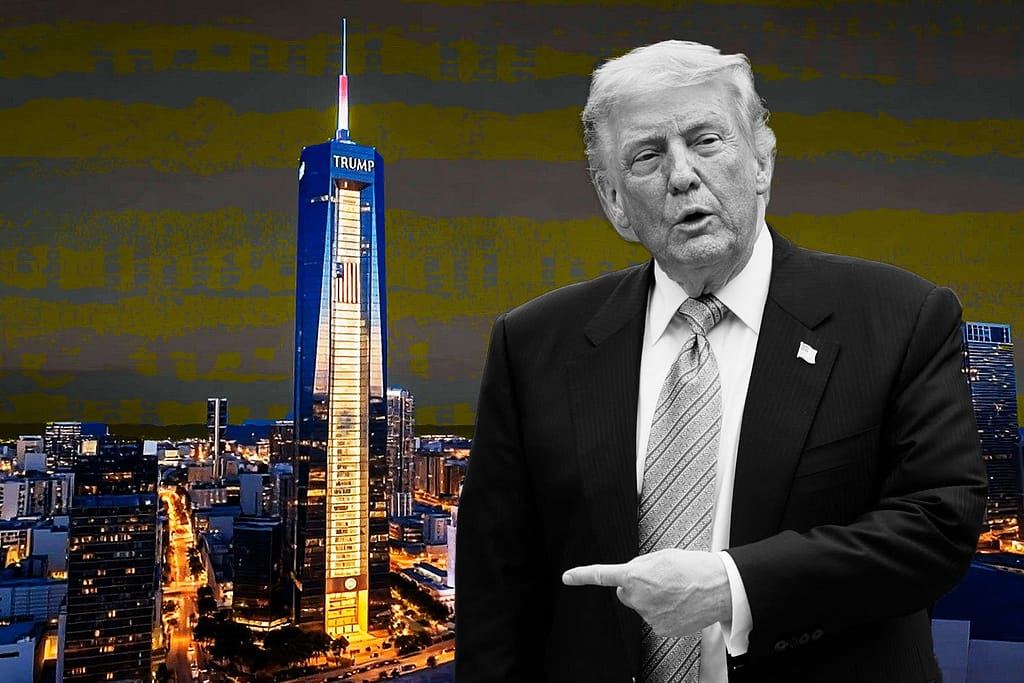
As Miami continues to evolve into a vibrant hub of culture and commerce, a fresh wave of controversy is stirring within its downtown core. The proposed presidential library for former President Donald Trump has become the center of a heated legal dispute, drawing attention not only for its political implications but also for its potential impact on the city’s architectural landscape.
Legal Battles and Community Voices
In a striking move, a coalition of Miami residents, spearheaded by the Constitutional Accountability Center and the local law firm Gelber Schachter & Greenberg, has filed a lawsuit aimed at halting the development of the presidential library. This marks the second legal challenge to the project, with the plaintiffs asserting that the transfer of land for the library violates the Emoluments Clause of the U.S. Constitution. This clause prohibits presidents from receiving gifts or benefits from state or federal entities beyond their official salaries.
The plaintiffs, who reside in close proximity to the proposed development site, argue that the library represents more than just a political monument; they contend it embodies a potential breach of constitutional principles that govern the relationship between public office and private gain. The lawsuit names key figures including Trump, his library foundation, Florida Governor Ron DeSantis, members of the Florida Cabinet, and Miami Dade College, raising questions about governance and accountability at the municipal level.
Architectural Aspirations Meets Local Sentiment
While the proposed library aims to be a significant addition to Miami’s architectural narrative, local residents express concerns over its implications for the community. Miami is a city known for its diverse culture and vibrant neighborhoods, and any new development must carefully consider its impact on these established dynamics.
Supporters of the project argue that a presidential library could serve as a cultural and educational resource, potentially attracting tourists and fostering local economic growth. However, opponents warn that the project could disrupt the existing urban fabric, leading to increased traffic, noise, and changes to the streetscape that may not align with the community’s character.
The Broader Implications of the Lawsuit
This legal confrontation is not merely a local issue; it reflects broader national conversations about the intersection of public service and private interests. The Emoluments Clause, which has garnered attention in recent years, serves as a reminder of the complexities involved in governance, particularly when political figures maintain financial interests that could influence their public roles.
As Miami finds itself at the crossroads of development and community activism, the outcome of this lawsuit may set a precedent for how similar projects are approached in the future. The case underlines the importance of civic engagement and the power of residents in shaping the urban environment.
A Reflection on Miami’s Future
Miami’s skyline is a testament to its growth, a blend of modernity and tradition that attracts investors and residents alike. However, as developments like the proposed Trump presidential library emerge, they prompt a necessary dialogue about the city’s identity and values. The lawsuit underscores the need for transparency and accountability in urban development, ensuring that the voices of local communities are heard amidst the clamor of progress.
As the court proceedings unfold, the residents’ challenge serves as a pivotal moment for Miami, one that could influence not only the future of the proposed library but also how the city navigates its growth and development trajectory.
Editorial note: This article was created by A Bit Lavish Miami’s Magazine as an original editorial reinterpretation based on publicly available reporting. Original source: therealdeal.com. Read the original article here: https://therealdeal.com/miami/2026/05/15/residents-sue-to-stop-trumps-miami-presidential-library/.
Images are used for editorial reference with source credit. If an image requires correction or removal, please contact A Bit Lavish.







The Intersection of Real Estate and Justice: A Troubling Case in Coral Springs
Exploring the implications of a self-defense claim in a tragic real estate...
 2 Mins read

Transformative Ventures: The Resurgence of Fort Lauderdale’s Hotel Maren
Explore the remarkable transformation and sale of the Hotel Maren in Fort...
2 Mins read

Baptist Health Expands Footprint with Strategic Acquisition in Coconut Creek
Baptist Health South Florida's recent purchase of a Kohl's property in Coconut...
2 Mins read
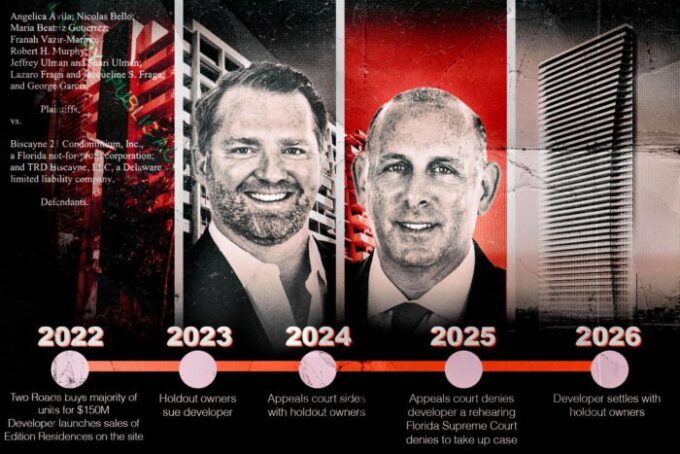


Navigating the Waters of Miami Real Estate: The Biscayne 21 Buyout Saga
Explore the intricate journey of Two Roads Development's condo buyout at Biscayne...
2 Mins read
