
AWS Celebrates Two Decades of Disruption and Innovation in the AI Landscape

A Journey from Novelty to Necessity
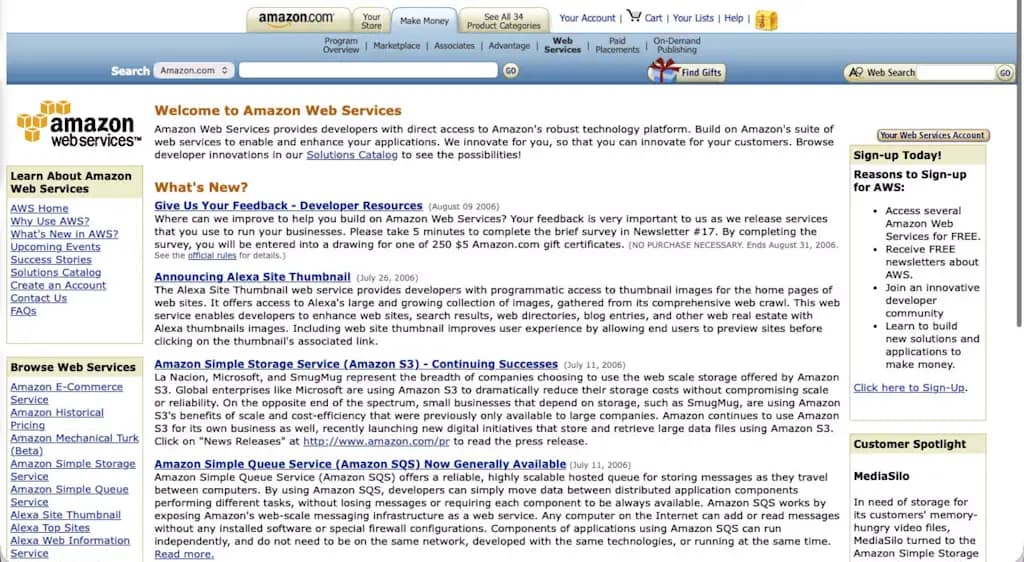
In 2006, Amazon Web Services (AWS) emerged as a pioneering force in cloud computing, offering organizations the ability to harness the same technologies that had propelled Amazon’s own growth. Initially viewed with skepticism, AWS was a transformative gamble that turned the business landscape on its head. Matt Garman, who would later ascend to CEO of AWS, vividly recalls discussions during those early days about the potential of cloud services. Little did anyone know that Garman’s ambitious prediction of a billion-dollar enterprise would soon be shattered, paving the way for AWS to generate an astonishing $128.7 billion in revenue by 2025.
What began as a modest service has evolved into a crucial pillar of Amazon’s profitability, contributing a staggering $45.6 billion in net income last year alone. As AWS celebrates its 20th anniversary this March, it stands not only as a leader in its field but as a catalyst for change across industries worldwide.
The Competitive Landscape of Cloud Computing
While AWS continues to lead the cloud computing sector, competition has intensified. Once a clear frontrunner, AWS’s market share has seen a decline from 32% in early 2020 to 28% in early 2026, with competitors like Microsoft Azure and Google Cloud narrowing the gap. The evolution of AI has reshaped this competitive environment, leading to a landscape where cloud services are indispensable for implementing AI solutions. Garman emphasizes that AI has fundamentally altered how businesses consume technology, marking a pivotal moment for AWS and its rivals.

AI as the New Frontier
The rise of AI represents an unparalleled opportunity for AWS to redefine its offerings. Garman notes that the rapid advancements in AI are both a challenge and a tailwind for AWS’s growth trajectory. As businesses increasingly turn to cloud services for AI capabilities, AWS has positioned itself as a key player in this transformative wave.
With the introduction of innovative platforms like AWS SageMaker and Bedrock, AWS has catered to the evolving needs of its clients. SageMaker, launched in 2017, enables users to create and manage machine-learning models, while Bedrock offers access to multiple AI models from industry leaders. This emphasis on flexibility reflects AWS’s understanding of the diverse requirements of its customers and sets them apart from competitors.
Architecting the Future with Agentic AI
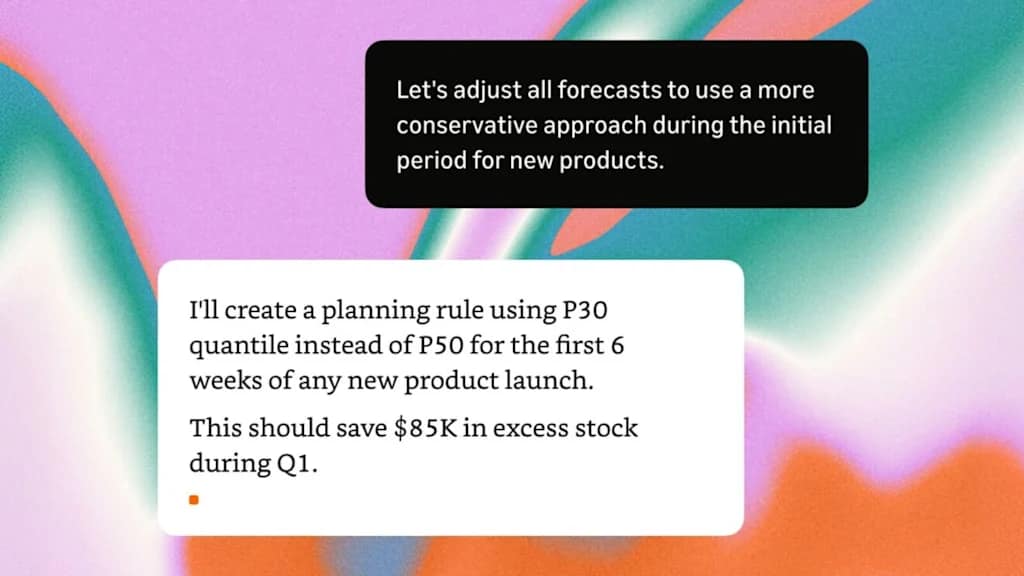
As the conversation around AI evolves, so does AWS’s approach to its utilization. The emergence of agentic AI—a technology capable of executing complex tasks autonomously—has shifted the focus towards creating products that enhance productivity. Swami Sivasubramanian, who previously led AWS’s AI initiatives, now oversees this new domain, driving innovations that are poised to redefine work processes.
Agentic AI has shown remarkable potential in expediting software development and streamlining business operations. Sivasubramanian cites examples where companies, such as Thomson Reuters, have leveraged AWS services to modernize their applications, achieving significant time savings. This capability extends beyond corporate giants; even individuals with minimal programming experience can create functional applications, showcasing the democratizing power of AWS’s technology.
Redefining Business Productivity
In a bid to expand its footprint beyond infrastructure, AWS has ventured into business productivity applications. Colleen Aubrey, who joined AWS in 2024, is spearheading this initiative, leveraging insights gained from Amazon’s extensive experience in building applications. The launch of AI-powered tools such as Amazon Connect Decisions and Amazon Connect Talent aims to automate routine business processes, thereby enhancing efficiency and user experience.
Aubrey’s vision is to create intuitive tools that require minimal learning for users. This focus on user-centric design is further underscored by the hiring of Hector Ouilhet, who brings a wealth of experience in crafting cohesive user interfaces. Ouilhet’s concept of “humorphism” emphasizes the importance of designing technology that resonates with users, making complex interactions more accessible.
Looking Ahead: The Next Chapter
As AWS moves into its third decade, the company is poised at the intersection of technology and opportunity. The ongoing evolution of AI, coupled with the lessons learned from two decades of innovation, empowers AWS to redefine business landscapes and consumer experiences alike. The next chapter for AWS will not merely be about maintaining its competitive edge but also about fostering a culture of continuous innovation.
In the vibrant ecosystem of Miami, where tech startups and enterprises alike are leveraging cloud solutions, AWS’s journey serves as a compelling case study. The lessons gleaned from AWS’s commitment to adaptability and foresight can inspire local businesses to embrace change and harness the power of technology.



Editorial note: This article was created by A Bit Lavish Miami’s Magazine as an original editorial reinterpretation based on publicly available reporting. Original source: fastcompany.com. Read the original article here: https://www.fastcompany.com/91541226/aws-ai-matt-garman.
Images are used for editorial reference with source credit. If an image requires correction or removal, please contact A Bit Lavish.










McLean Delivers Dominant Performance with Ten Strikeouts on July 22, 2026
McLean's impressive strikeout performance underscores the growing global interest in emerging baseball...
 1 Mins read

Pittsburgh Pirates Postpone Oneil Cruz Return Amid Trade Speculation
The delay in Oneil Cruz's return highlights critical trade dynamics affecting Major...
1 Mins read

Zac Thornton Leads Mets to Victory Over Brewers with Dominant Six-Inning Performance
Thornton's performance highlights the Mets' potential in the current MLB season, impacting...
1 Mins read



Pepkor Announces Formation of R21bn Fintech Powerhouse with Plans for Future Listing
Pepkor's strategic move to create a R21 billion fintech entity signals a...
1 Mins read
