
Unearthing Legacy: The Cultural Significance of Guatemala’s Repatriated Lintel
A Resounding Claim to Cultural Heritage
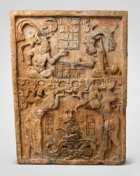
In a significant turn of events for the cultural landscape of Central America, Guatemala has successfully reclaimed a remarkable stone lintel, an artifact attributed to the legendary artist Mayuy, who is often heralded as ‘the Michelangelo of the pre-Columbian era.’ This extraordinary piece, which dates back over a thousand years, offers not just insight into the artistic mastery of the Maya civilization but also raises pertinent questions about the ownership and preservation of cultural heritage.
Mayuy: The Visionary Behind the Craft
Mayuy’s work represents a pinnacle of pre-Columbian artistry, characterized by intricate detailing and a profound understanding of form and function. Scholars and collectors alike regard this artist as a pivotal figure in Maya history, whose contributions extend beyond mere embellishment to encapsulate the spiritual and societal values of his time. The lintel serves as a testament to Mayuy’s unparalleled skill, reflecting a blend of symbolism and storytelling that speaks to the heart of Maya culture.
The Journey of the Lintel
The journey of this lintel is as fascinating as its artistic merit. Originally a cornerstone in a Maya ceremonial structure, the piece was unearthed in the 1960s but was subsequently removed from its context and found its way to Mexico. Its recent repatriation marks a crucial step in correcting historical injustices surrounding the appropriation of cultural artifacts. This return not only signifies a victory for Guatemala but also sets a precedent for future repatriation efforts, emphasizing the importance of provenance in the art world.

Provenance and Market Significance
The reintroduction of the lintel to Guatemala is more than a matter of national pride; it also reflects a growing awareness within the global art market regarding the significance of provenance. Collectors now recognize that the narrative of an artwork—its journey through time, ownership, and cultural context—can deeply influence its value. The return of such artifacts enriches the cultural tapestry of their homeland, allowing for a more comprehensive understanding of their historical narratives.
Cultural Resonance and Investment Potential
For art collectors and investors, the lintel’s return resonates on multiple levels. Not only does it represent a tangible link to a rich cultural heritage, but it also embodies the psychological dynamics of collecting. Owning pieces with a storied past enhances their allure, transforming them from mere objects into vessels of history and identity. As the market for art continues to evolve, the demand for culturally significant items like the Mayuy lintel is poised to increase, making them not just collectibles but also strategic investments.
A New Chapter for Guatemala’s Artistic Legacy
The return of the Mayuy stone lintel heralds a renewed commitment to preserving Guatemala’s artistic legacy. As the country seeks to restore its cultural identity, the lintel stands as a symbol of resilience and pride, inspiring future generations to appreciate and safeguard their heritage. In a world increasingly interconnected, the story of this artifact serves as a poignant reminder of the importance of cultural stewardship and the ongoing dialogue surrounding art, ownership, and morality.
As Miami continues to celebrate its vibrant art scene, the implications of Guatemala’s reclamation extend beyond borders, inviting local collectors to reflect on the significance of provenance in their acquisitions. In a city where cultural confluence thrives, the story of the Mayuy lintel invites us all to engage with art not just as an object of beauty, but as a narrative woven into the fabric of human experience.

Editorial note: This article was created by A Bit Lavish Miami’s Magazine as an original editorial reinterpretation based on publicly available reporting. Original source: theartnewspaper.com. Read the original article here: https://www.theartnewspaper.com/2026/05/18/guatemala-maya-stone-lintel-mayuy-mexico-repatriation.
Images are used for editorial reference with source credit. If an image requires correction or removal, please contact A Bit Lavish.




Houston’s Art Renaissance: A Canvas of Opportunity
Exploring Houston's burgeoning art scene through the lens of the recent Untitled...
 ABL2 Mins read

Harvesting Talent: Atlanta Art Fair’s Flourishing Platform for Local Artists
Explore how the Atlanta Art Fair is nurturing local talent and shaping...
ABL2 Mins read

Stolen ‘Walking Dead’ Comic Book Resurfaces at Pawn Shop, Seller Linked to Another Theft
A valuable comic book linked to a recent theft has surfaced at...
 2 Mins read


The Eternal Allure of Jean Schlumberger: A Legacy Reimagined
Explore the lasting impact of Jean Schlumberger's innovative jewelry design as Tiffany...
2 Mins read
