
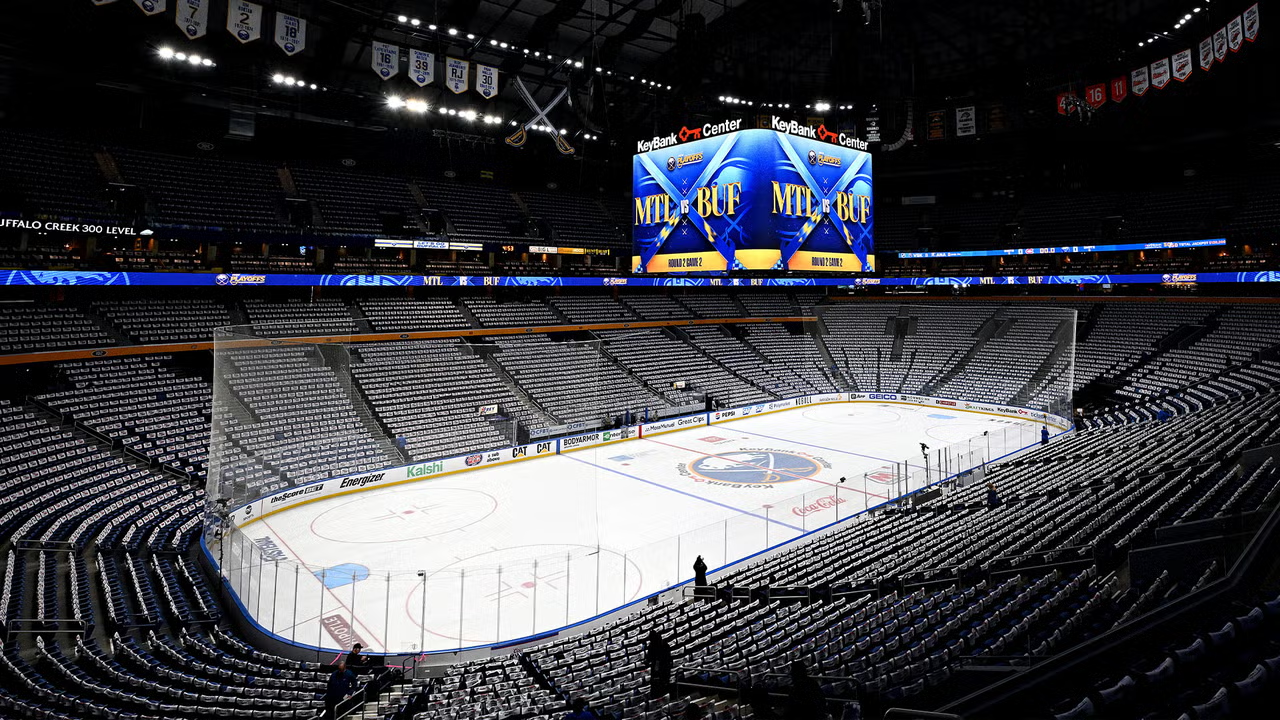
The Challenge of Energy Consumption in Hockey Arenas
As the world grapples with rising energy costs, the sports industry is not immune to these pressures, particularly in the arena of ice hockey. The National Hockey League (NHL) is acutely aware that maintaining optimal ice conditions while hosting a variety of events presents a unique set of challenges. This is where the NHL’s recent partnership with Honeywell, a leader in building automation and energy management, becomes vital. The NHL aims to enhance the energy efficiency of its facilities, ensuring that the ice remains pristine without breaking the bank.
Harnessing Technology for Sustainability
Honeywell has been enlisted to serve as the “Official Building Automation and Energy Management Partner of the NHL.” This collaboration will leverage advanced AI technologies to analyze and optimize energy usage across NHL arenas, practice facilities, and community rinks. Greg Turner, Chief Solutions Officer at Honeywell’s Building Automation unit, highlights that energy costs for hockey facilities have surged by 11-17%, making it increasingly challenging for operators to sustain these expenses.
Turner insists that the solution isn’t merely financial; it requires a comprehensive strategy tailored to each arena’s unique operational demands. Honeywell’s approach involves a thorough assessment of energy consumption patterns, enabling them to devise customized energy-saving models that can significantly reduce costs while enhancing the overall functionality of the facilities.
Creating a Blueprint for the Future
This partnership is not only about lowering energy bills; it’s also about laying the groundwork for the future of ice hockey, particularly at the youth level. David Lehanski, Senior Vice President of Business Development and Innovation at the NHL, emphasizes the necessity of making hockey more accessible to younger players. Compared to other sports, the cost of maintaining ice rinks is exorbitantly higher, which can deter families from participating in the sport.
By increasing the number of affordable and sustainable arenas, the NHL hopes to inspire a new generation of hockey players. The goal is to create an environment where the love for the game can flourish, free from excessive financial burdens. Lehanski notes, “If we want more kids to play hockey, we’ve got to figure this out.” The potential for cost savings, derived from energy-efficient practices, can translate into better facilities and ultimately more opportunities for young athletes.
Aiming for Broader Impacts
The implications of this initiative extend beyond just the NHL and its arenas. With the rising popularity of youth hockey, it’s crucial to have sufficient resources and facilities available to support its growth. The NHL’s collaboration with Honeywell could serve as a model not only for ice hockey but also for other sports facilities facing similar challenges.
As arenas become increasingly busy venues for various events, the need for adaptable energy management solutions is paramount. Honeywell’s technology promises not only to streamline operations but also to enhance the experience for sports fans and event attendees alike. By automating climate control and energy consumption, arenas can better respond to fluctuating demands, ensuring that whether it’s a thrilling hockey match or a high-energy concert, the environment remains comfortable and inviting.
Impacts on Local Communities
For Miami, a city known for its vibrant sports culture and diverse population, the implications of improving energy efficiency in arenas can be profound. As local hockey leagues grow and more youth programs emerge, the need for accessible, well-maintained rinks becomes imperative. The NHL’s strategy could pave the way for Miami to become a hub for youth hockey, fostering not only athletic skills but also community engagement.
Moreover, reducing operational costs through energy efficiency can empower community rinks to invest more in their facilities and programs, making hockey more affordable and accessible to all families. This ripple effect could encourage greater participation in the sport, enriching Miami’s sports landscape and nurturing local talent.
A Vision for the Future
The NHL’s partnership with Honeywell represents a significant step toward revolutionizing how hockey arenas operate. By integrating AI and energy management technologies, the league is not only addressing immediate financial concerns but is also investing in the future of the sport. As we look ahead, the blueprint developed through this collaboration could redefine how sports facilities across the globe manage energy, ultimately leading to a more sustainable and economically viable future for ice hockey.
Editorial note: This article was created by A Bit Lavish Miami’s Magazine as an original editorial reinterpretation based on publicly available reporting. Original source: fastcompany.com. Read the original article here: https://www.fastcompany.com/91546535/the-nhl-has-a-costly-ice-problem-and-ai-is-about-to-take-over-arenas-to-fix-it.
Images are used for editorial reference with source credit. If an image requires correction or removal, please contact A Bit Lavish.









Navigating the Crossroads: Is Your Next Promotion Truly Right for You?
Explore the complexities of career advancement and the importance of aligning promotions...
 3 Mins read

The Future of Gifting: Babylist’s Innovative Leap into Financial Literacy
Explore how Babylist is transforming the landscape of gifting and financial planning...
3 Mins read

Embracing the Soft Off Day: A New Paradigm for Remote Work in Miami
Exploring the concept of soft off days in remote work, their implications...
 ABL2 Mins read



The Legal Crossroads of AI: CNN’s Bold Stand Against Content Theft
CNN sues Perplexity AI for allegedly appropriating over 17,000 pieces of content...
ABL3 Mins read

Leave a comment