
The Future of New York’s Beloved Pizza and Bagels: A Shift in Tradition
A Culinary Crossroads
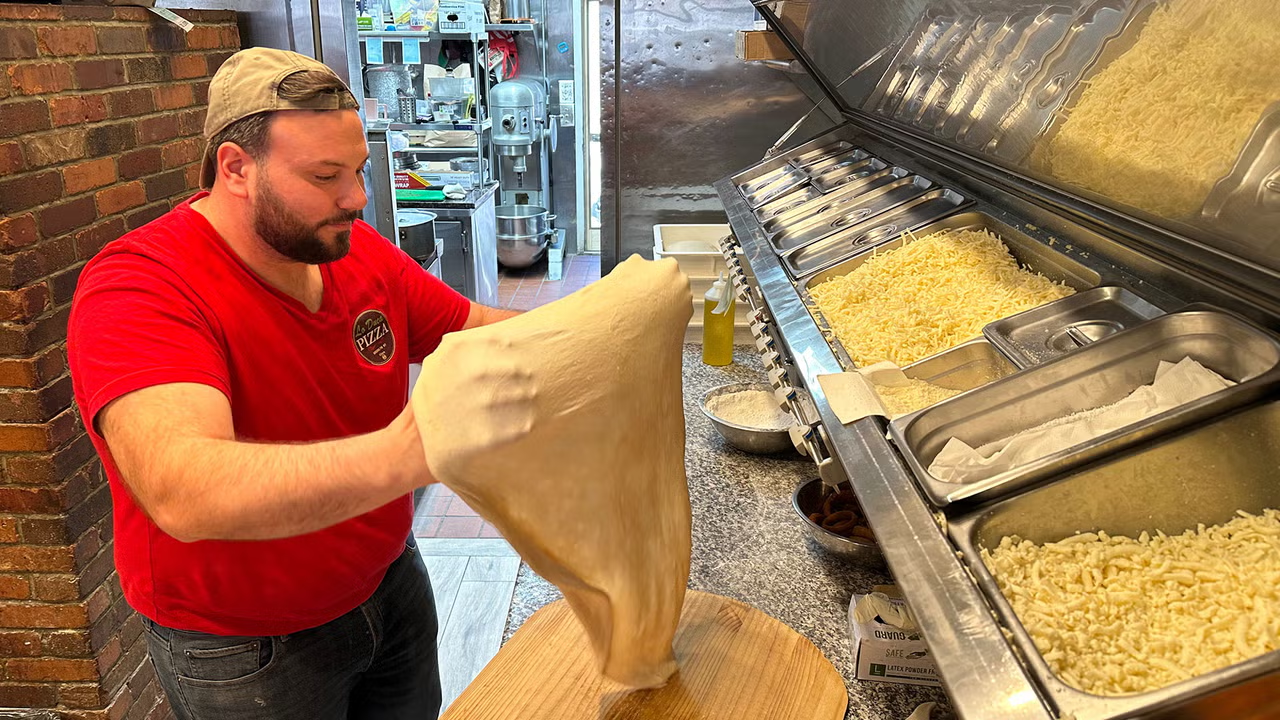
In the heart of Brooklyn, a family-run pizzeria is grappling with a transformative moment that could redefine New York’s culinary landscape. Salvatore Lo Duca, who has spent over a decade honing traditional recipes at Lo Duca Pizza, has been compelled to reconsider a staple ingredient in their thin-crust pies: bromated flour. This chemical, widely used for its ability to enhance dough elasticity and strength, is now facing scrutiny due to health concerns, prompting a potential ban that could resonate far beyond New York’s borders.
A Recipe for Change
The implications of this legislative shift are profound. With the bill awaiting the signature of Governor Kathy Hochul, the imminent removal of potassium bromate from pizzerias and bagel shops raises questions about the essence of New York’s famed culinary offerings. Approximately 80% of local establishments rely on this ingredient, which has been integral to producing the city’s iconic pizza and bagel characteristics—its signature chewiness and texture. As Lo Duca reflects on experimenting with alternative flours, he acknowledges the cost and labor involved, stating, “It’s a little more expensive, but the quality is there.”
Tradition Meets Innovation
While some pizzeria owners express trepidation about the changes, others view them as an opportunity for innovation. Jesse Spellman, who runs Utopia Bagels, is adapting his family’s recipe by modifying yeast concentrations and fermentation times. His approach highlights a growing trend among bakers who see the potential for enhanced flavors and textures without compromising health. “It’s going to take some time to get a product that we’re happy with,” Spellman admits. This period of experimentation reflects a broader movement in the culinary world, where chefs and bakers are increasingly prioritizing health and sustainability over reliance on artificial enhancements.
The Public Health Perspective
Experts have long debated the safety of potassium bromate, with studies linking it to health risks, including carcinogenic effects in laboratory settings. Countries such as those in the European Union, Canada, and China have already banned its use, suggesting a global shift towards cleaner, more natural food production methods. Erik Millstone, a science policy professor, emphasizes the importance of prioritizing public health over culinary convenience, noting that the change could lead to a more health-conscious consumer base.
Potential Impacts on the Market
The proposed ban holds the potential to elevate the quality of New York’s pizza and bagels in the long run. According to pizza historian Scott Wiener, moving away from bromated flour may encourage a return to time-honored methods of dough preparation, resulting in lighter and more digestible products. “Without such a fast turnaround for dough production, you’re going to get more well-fermented doughs,” he explains, hinting at a renaissance for artisanal techniques in the city’s renowned culinary scene.
A Broader Influence
The debate over bromated flour is already echoing beyond New York, sparking conversations among pizzeria owners nationwide. In Florida, for instance, Mario Mangilia of DoughBoyz playfully claimed that “pizza in Florida is officially better than pizza in New York,” a statement that underscores the competitive spirit within the pizza community. However, as the discourse shifts towards health-conscious alternatives, even Mangilia has expressed willingness to explore new flour options, indicating a potential ripple effect across the industry.
Looking Ahead
As New York stands on the brink of this significant change, the culinary world watches closely. The one-year grace period for pizzerias to adjust to the ban signals a crucial transition period, allowing businesses to refine their recipes and adapt to consumer expectations. While uncertainty looms large, this pivotal moment could very well lead to a renaissance of traditional baking methods, fostering a new generation of pizza and bagel artisans committed to quality and health.
Editorial note: This article was created by A Bit Lavish Miami’s Magazine as an original editorial reinterpretation based on publicly available reporting. Original source: fastcompany.com. Read the original article here: https://www.fastcompany.com/91547001/new-yorks-iconic-pizza-bagels-could-soon-change-this-suspect-ingredient-gets-banned.
Images are used for editorial reference with source credit. If an image requires correction or removal, please contact A Bit Lavish.










Navigating the Crossroads: Is Your Next Promotion Truly Right for You?
Explore the complexities of career advancement and the importance of aligning promotions...
 3 Mins read

The Future of Gifting: Babylist’s Innovative Leap into Financial Literacy
Explore how Babylist is transforming the landscape of gifting and financial planning...
3 Mins read

Embracing the Soft Off Day: A New Paradigm for Remote Work in Miami
Exploring the concept of soft off days in remote work, their implications...
 ABL2 Mins read



The Legal Crossroads of AI: CNN’s Bold Stand Against Content Theft
CNN sues Perplexity AI for allegedly appropriating over 17,000 pieces of content...
ABL3 Mins read

Leave a comment