
Navigating the Skies: Amazon’s Ambitious Drone Delivery Program and Its Implications
The Dawn of Aerial Delivery
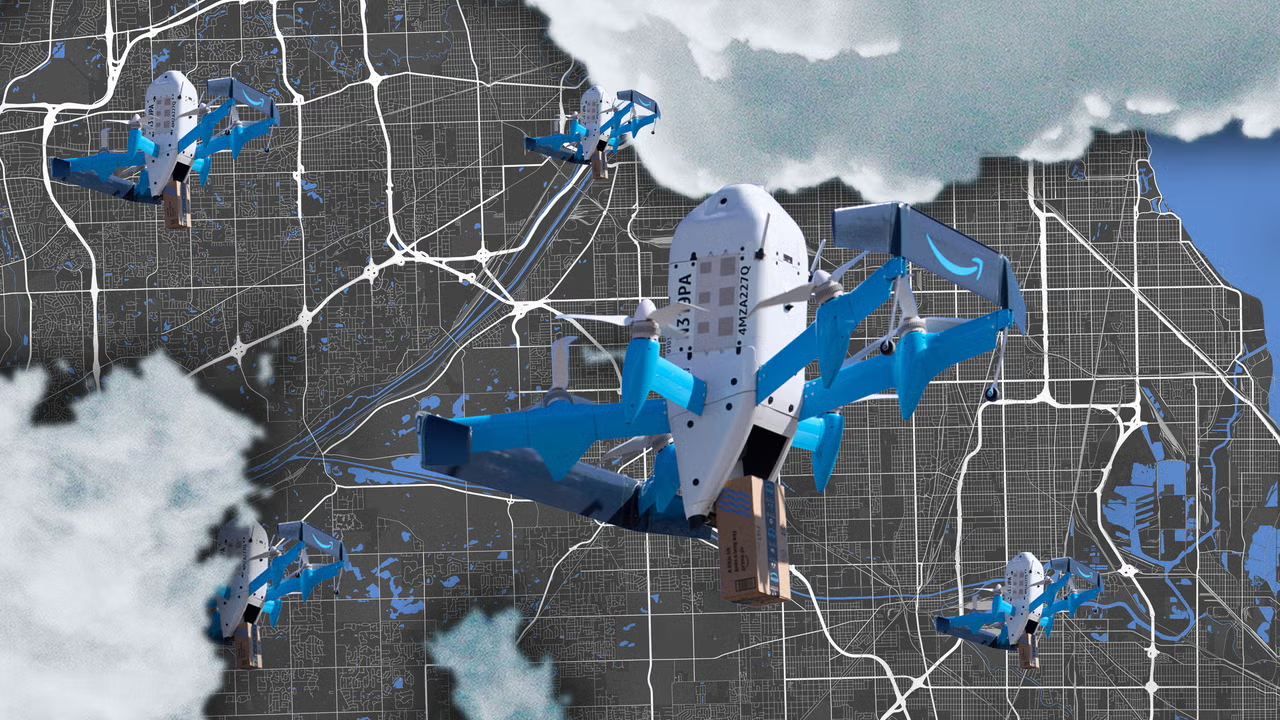
As the landscape of urban logistics continues to evolve, Amazon is poised to take to the skies with its Prime Air drone delivery program. This ambitious initiative aims to redefine package delivery by utilizing drones to transport millions of packages annually. With plans to expand its drone delivery trials to cities like Chicago, particularly in its south suburbs, Amazon’s innovations promise to alter not just the logistics of delivery but the very nature of urban living.
Community Integration and Acceptance
The upcoming trials in Chicago will see Amazon’s MK30 drones operating within an eight-mile radius of their local warehouses, offering residents an unprecedented opportunity to receive packages via drone delivery. However, this innovation comes with a dual-edged sword; while some residents may welcome the convenience, others might harbor concerns regarding safety and privacy. The presence of delivery drones, capable of reaching altitudes of up to 400 feet and speeds of 73 mph, could rapidly transform neighborhood dynamics.
Safety Concerns in Urban Skies
While the technology behind these drones is cutting-edge, the risks associated with their operation cannot be understated. Previous incidents, including collisions with buildings and other aerial objects, have raised alarms about the potential dangers posed by drones over densely populated areas. These accidents, albeit not resulting in direct injuries, highlight the precarious balance between innovation and community safety. The force generated by an 85-pound drone dropping from a height can be catastrophic, prompting questions about the robustness of safety protocols and the accountability mechanisms in place.
Regulatory Challenges and Public Sentiment
As Amazon navigates the regulatory landscape, it faces scrutiny from both the Federal Aviation Administration (FAA) and the public. The FAA’s “Innovate 2028” initiative underscores the importance of public understanding and support for drone operations. Yet, as the pilot tests approach, the lack of transparency surrounding operational details raises concerns. How will these drones interact with existing urban infrastructure? What measures will be taken to ensure the safety of residents? The answers to these questions remain obscured, leaving the community to grapple with the implications of drone deliveries.
A Competitive Sky
Amazon is not alone in its quest for aerial supremacy. Numerous companies, including Wing and Flytrex, are also exploring the potential of drone delivery, further complicating the airspace landscape. As multiple entities vie for a share of the sky, the challenge extends beyond logistical efficiency to include air traffic management and public safety. The vision of a bustling aerial delivery network necessitates sophisticated communication systems capable of preventing collisions and ensuring safe operations.
Looking Ahead: The Future of Urban Logistics
The drone delivery landscape is rapidly evolving, and as Amazon prepares to embark on its Chicago trials, the broader implications for urban logistics are profound. The integration of drones into our daily lives could revolutionize the way we think about delivery, but it must be approached with caution and responsibility. As we stand on the brink of this new frontier, it is imperative that both companies and regulators prioritize safety, community engagement, and the development of robust operational frameworks to guide this transformation.
Editorial note: This article was created by A Bit Lavish Miami’s Magazine as an original editorial reinterpretation based on publicly available reporting. Original source: fastcompany.com. Read the original article here: https://www.fastcompany.com/91546429/amazons-drone-ambitions-are-about-to-reshape-chicagos-south-suburbs.
Images are used for editorial reference with source credit. If an image requires correction or removal, please contact A Bit Lavish.










Navigating the Crossroads: Is Your Next Promotion Truly Right for You?
Explore the complexities of career advancement and the importance of aligning promotions...
 3 Mins read

The Future of Gifting: Babylist’s Innovative Leap into Financial Literacy
Explore how Babylist is transforming the landscape of gifting and financial planning...
3 Mins read

Embracing the Soft Off Day: A New Paradigm for Remote Work in Miami
Exploring the concept of soft off days in remote work, their implications...
 ABL2 Mins read


The Legal Crossroads of AI: CNN’s Bold Stand Against Content Theft
CNN sues Perplexity AI for allegedly appropriating over 17,000 pieces of content...
ABL3 Mins read

Leave a comment