
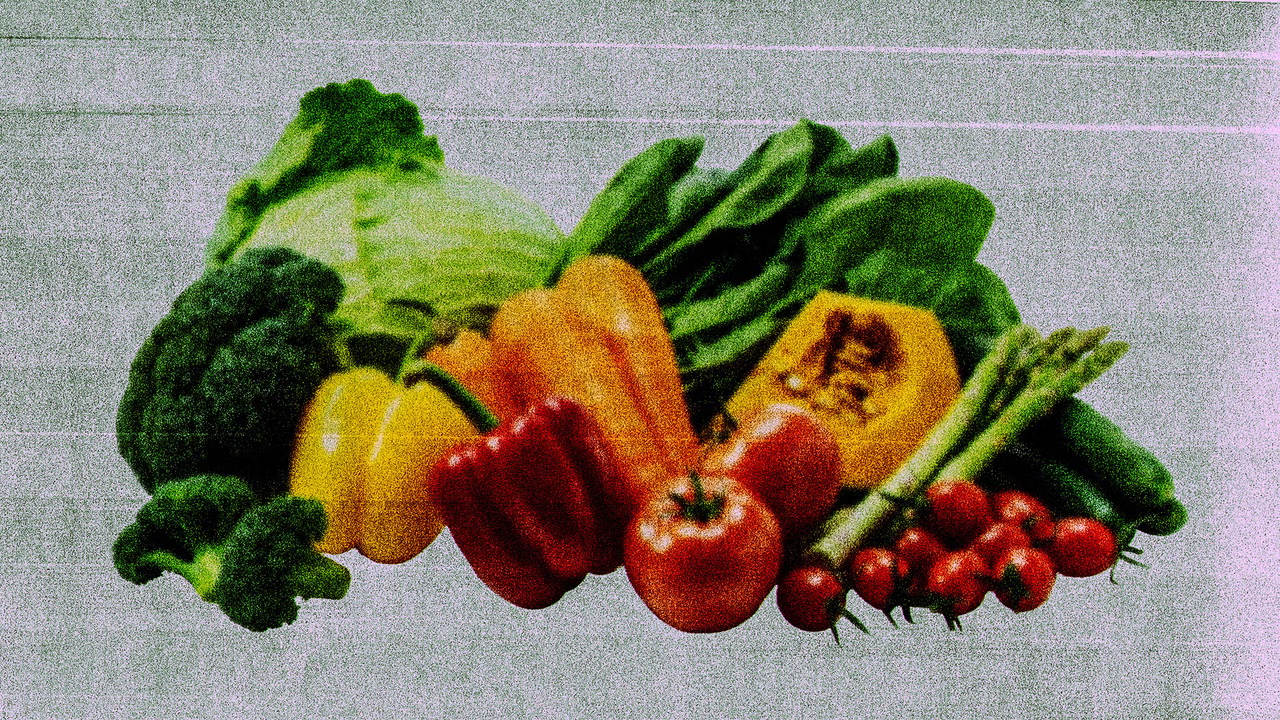
The Unseen Crisis: A Growing Divide
As we navigate an era marked by economic stratification, the issue of food insecurity looms larger than ever in the United States. Recent data reveals a troubling trend: inflation, geopolitical tensions, and adverse environmental conditions are driving grocery prices upward, exacerbating the challenges faced by many Americans. The Consumer Price Index (CPI) for groceries surged by 0.7% from March to April 2023, with a notable year-over-year increase of 2.9%. This inflationary pressure is not merely a statistic; it represents the harsh reality for countless families struggling to make ends meet.
Fluctuating Prices and Their Impacts
The landscape of food pricing is shifting dramatically, with nine out of fifteen food categories experiencing price hikes. Particularly striking is the surge in beef prices—an outcome of the lowest cattle herd count in 75 years, as reported by the American Farm Bureau Federation. Coupled with drought conditions and soaring fuel costs, the agricultural sector is grappling with a perfect storm that threatens food availability.
Moreover, the recent storms in Florida have led to a staggering 33% increase in tomato prices, raising alarms about the future of irrigation supplies, especially in California, which accounts for nearly half of the nation’s vegetable output. Such shifts not only affect consumers but also have broad implications for businesses reliant on stable food prices.
A Snapshot of Food Insecurity Trends
In a revealing report by the Federal Reserve Bank of New York, surveys conducted in February 2026 and October 2025 highlighted a worrying escalation in food insecurity levels compared to June 2020. The findings indicate that a growing number of Americans are dipping into savings, skipping meals, or relying on food donations. The data underscores a stark reality: households earning below $50,000, particularly those with children and individuals from non-white backgrounds, are disproportionately affected.
The USDA corroborates these findings, with their latest survey indicating that 13.7% of U.S. households faced food insecurity at some point in 2024. This figure rises to an alarming 18.4% for households with children, painting a sobering picture of the challenges many families face.
Miami: A Microcosm of a National Challenge
In Miami, a city known for its vibrant culture and economic diversity, the implications of rising food insecurity resonate deeply. The local community, which includes a significant number of families living on tight budgets, is feeling the strain of escalating food prices. As Miami grapples with its unique socio-economic dynamics, the need for innovative solutions to combat food insecurity has never been more urgent.
Local businesses and non-profit organizations are stepping up to address this crisis, harnessing design thinking and innovative strategies to create sustainable food systems. From urban farms to community-supported agriculture, Miami is witnessing a surge in initiatives aimed at providing fresh, affordable produce to its residents.
Strategic Responses: Business Leadership and Community Engagement
Business leaders in Miami are increasingly recognizing the importance of addressing food insecurity as a critical component of their corporate social responsibility strategies. By collaborating with local organizations and investing in community-based solutions, companies can play a pivotal role in alleviating the burdens of food insecurity.
Moreover, as consumers become more aware of the socio-economic factors influencing their purchasing decisions, brands that prioritize sustainability and ethical sourcing are likely to gain a competitive edge. This shift not only fosters goodwill among consumers but also contributes to a more resilient local economy.
Looking Ahead: Building Resilience in an Uncertain Landscape
The road ahead may be fraught with challenges, but it also presents opportunities for innovation and leadership. As food prices continue to fluctuate and economic disparities widen, a collective response from businesses, government, and community organizations is essential to address the pressing issue of food insecurity.
In Miami, where the vibrancy of life is often juxtaposed with stark economic realities, fostering a culture of collaboration and resilience will be key. By prioritizing food security, we can create a stronger, more inclusive community that not only survives but thrives in the face of adversity.
Editorial note: This article was created by A Bit Lavish Miami’s Magazine as an original editorial reinterpretation based on publicly available reporting. Original source: fastcompany.com. Read the original article here: https://www.fastcompany.com/91549752/food-insecurity-gets-worse-k-shaped-economy-ny-fed.
Images are used for editorial reference with source credit. If an image requires correction or removal, please contact A Bit Lavish.









Navigating the Crossroads: Is Your Next Promotion Truly Right for You?
Explore the complexities of career advancement and the importance of aligning promotions...
 3 Mins read

The Future of Gifting: Babylist’s Innovative Leap into Financial Literacy
Explore how Babylist is transforming the landscape of gifting and financial planning...
3 Mins read

Embracing the Soft Off Day: A New Paradigm for Remote Work in Miami
Exploring the concept of soft off days in remote work, their implications...
 ABL2 Mins read


The Legal Crossroads of AI: CNN’s Bold Stand Against Content Theft
CNN sues Perplexity AI for allegedly appropriating over 17,000 pieces of content...
ABL3 Mins read

Leave a comment