
The Legacy of Tiwani Contemporary: A Coda to a Pioneering Chapter in African Art
 ABLUpdated 4 months Ago2 Mins read147

A Reflection on a Cultural Beacon
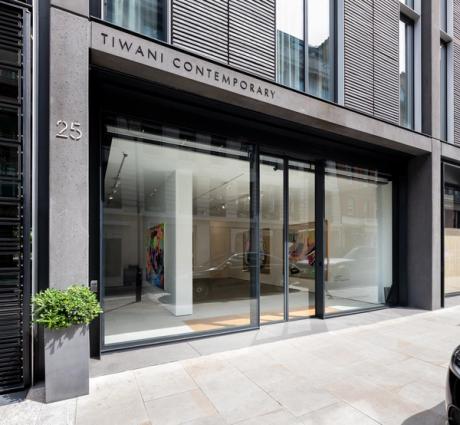
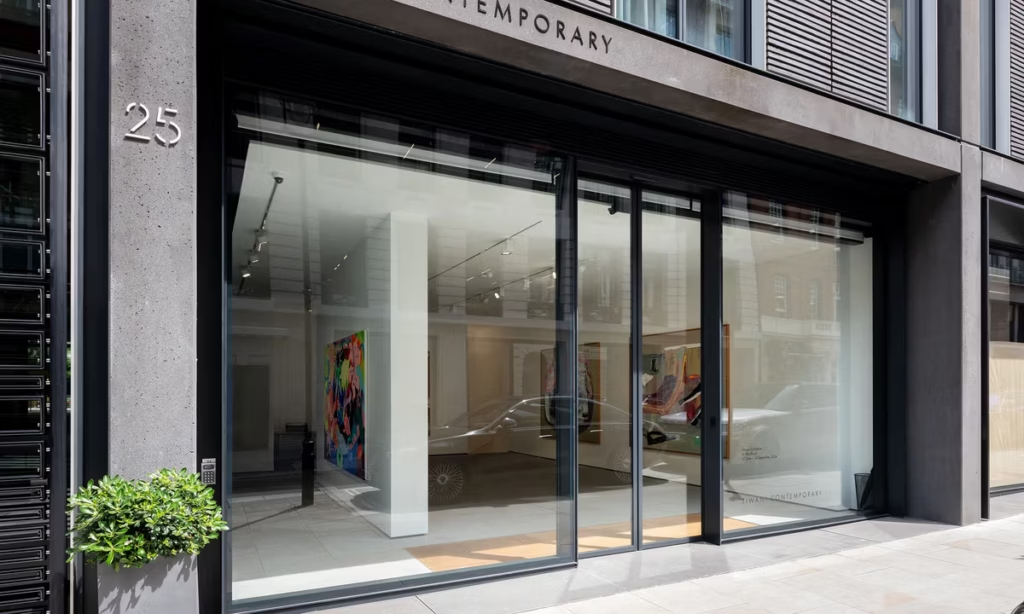
In an era where the art market grapples with uncertainties, Tiwani Contemporary has announced its closure after 15 impactful years in London and Lagos. This gallery was not just a commercial entity; it was a crucible for African art, nurturing emerging talents and offering a platform for artists who would come to define contemporary African aesthetics.
Championing New Narratives
Founded with a vision to redefine perceptions of African art, Tiwani Contemporary played a crucial role in elevating artists like Joy Labinjo and Gareth Nyandoro. Both artists, with their compelling narratives and innovative techniques, have emerged as significant voices in the global art conversation. Tiwani’s commitment to these artists reflects a broader trend in the art world, where the importance of cultural narratives and authenticity has gained unprecedented recognition.
Market Dynamics and the Art Ecosystem
The closure of Tiwani Contemporary is emblematic of the wider market uncertainties that have begun to ripple through the art community. Economic shifts, fluctuating demand for artworks, and the evolving tastes of collectors have created a challenging environment. Galleries that once thrived on the buzz of emerging artists now face the daunting task of navigating an increasingly complex marketplace.
Provenance and Investment Potential
For collectors, understanding the provenance of their acquisitions has never been more critical. Tiwani’s emphasis on artist legacy and the stories behind artworks provided an invaluable resource for discerning collectors. The gallery’s focus on works that tell authentic African stories resonated deeply with a growing audience interested in not just the aesthetic value, but also the cultural significance and investment potential of their purchases.
An Impact Beyond Transactions
While financial considerations are undeniably important in the art world, Tiwani’s contribution transcended mere transactions. It fostered a vibrant community that connected artists, collectors, and curators through exhibitions, talks, and collaborative projects. This sense of community is essential for the growth of African art, which thrives on dialogue and exchange. The gallery’s commitment to education and outreach initiatives has left a lasting imprint on the cultural landscape.
The Future of African Art in Miami
As Miami continues to grow as a hub for contemporary art, the legacy of Tiwani Contemporary serves as a poignant reminder of the importance of supporting cultural initiatives. The city’s burgeoning art scene has embraced various influences, and there is a palpable hunger for authentic narratives that speak to the African diaspora. Galleries and collectors in Miami have an opportunity to build upon Tiwani’s foundation, championing artists who reflect the richness of African heritage while engaging with contemporary themes.
Conclusion: A New Beginning
The closure of Tiwani Contemporary marks the end of a significant chapter, yet it also signals a call to action for the art community. As we reflect on its contributions, there is hope that the spirit of innovation and dedication to African art will inspire future endeavors. While the gallery may no longer operate, its influence will undoubtedly persist, encouraging new generations of artists and collectors to explore the depths of African creativity.
Editorial note: This article was created by A Bit Lavish Miami’s Magazine as an original editorial reinterpretation based on publicly available reporting. Original source: theartnewspaper.com. Read the original article here: https://www.theartnewspaper.com/2026/05/28/tiwani-contemporary-pioneering-gallery-of-african-art-to-cease-operations-after-15-years.
Images are used for editorial reference with source credit. If an image requires correction or removal, please contact A Bit Lavish.




A Celebration of Heritage: The Ukrainian Museum’s 50th Anniversary and Its Artistic Tribute
Explore the Ukrainian Museum in New York's 50th anniversary, highlighting an artistic...
ABL2 Mins read
A Call to Action: The Whitney Museum Workers Stand for Change
Exploring the implications of the Whitney Museum workers' decision to strike, we...
 2 Mins read
Navigating the Waters of Art Restitution: A California Test Case
Exploring the implications of recent lawsuits concerning Nazi-looted art and the potential...
2 Mins read
A New Era at the Vancouver Art Gallery: Co-Leadership and Vision
Explore the transformative leadership of Eva Respini and Sirish Rao at the...
3 Mins read