
Controversy in the Hamptons: The Legal Battle Over a Monumental Sculpture
The Intersection of Art and Community
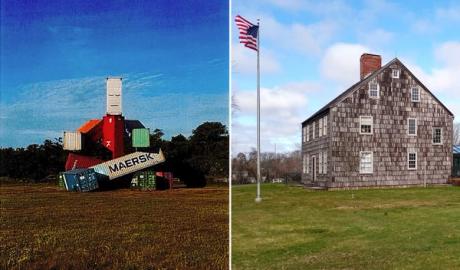
In the serene landscapes of East Hampton, where the ocean meets artistic aspiration, a captivating yet contentious spectacle has emerged. At the heart of this narrative is a striking 60-foot-tall sculpture by artist Matt Johnson, a work that has garnered attention not only for its imposing presence but also for the legal storm brewing around it. This monumental piece, crafted from large shipping containers, stands as a testament to contemporary art’s audacity and its often turbulent relationship with community regulations.
Artistic Ambition and Regulatory Scrutiny
Johnson’s sculpture, a bold statement piece, was envisioned to engage viewers with its scale and inventive use of materials. However, the town of East Hampton has raised alarms, alleging that the installation was executed without the requisite safety permits. This claim has initiated a legal confrontation that probes deeper than mere compliance with building codes; it invites a discussion on the very nature of public art and its role within communal spaces.
The Dialogue Between Safety and Expression
At the core of the lawsuit lies a critical question: how do we balance artistic expression with the safety and well-being of a community? The East Hampton authorities, while supportive of artistic endeavors, are adamant about adhering to safety protocols designed to protect residents and visitors alike. The juxtaposition of Johnson’s avant-garde vision against the backdrop of regulatory frameworks highlights a broader cultural narrative about the responsibilities of artists and the expectations of the communities they inhabit.
Provenance and Market Significance
As the legal proceedings unfold, the implications for both Johnson’s work and the art market at large become increasingly significant. Not only does this situation challenge the artist’s legacy, but it also raises questions about the provenance of large-scale installations. Collectors and investors often look for assurance regarding the legitimacy and safety of artworks, especially those that occupy public spaces. The outcome of this case could set a precedent, influencing how future artworks are perceived in terms of their market value and investment potential.
Community Reactions and Cultural Impact
The community’s reaction to Johnson’s sculpture is as multifaceted as the artwork itself. Some local residents embrace it as a bold addition to the cultural landscape, while others voice concerns about its safety and appropriateness. This divide reflects a common tension in art discourse, particularly in affluent areas where public art can often be perceived as an intrusion or as a reflection of socio-economic disparities. In Miami, a city known for its vibrant art scene and public installations, similar dialogues play out, emphasizing the relevance of this legal case beyond the Hamptons.
A Reflection on the Future of Public Art
The unfolding legal drama invites stakeholders in the art world—artists, collectors, and community leaders—to engage in a necessary dialogue about the future of public art. As cities like Miami continue to expand their cultural offerings, the balance between innovation and regulation will remain a pivotal concern. This case serves as a reminder that while art can inspire and provoke, it also exists within a framework of community ethics and safety.
Editorial note: This article was created by A Bit Lavish Miami’s Magazine as an original editorial reinterpretation based on publicly available reporting. Original source: theartnewspaper.com. Read the original article here: https://www.theartnewspaper.com/2026/08/13/the-ranch-sculpture-east-hampton-lawsuit.
Images are used for editorial reference with source credit. If an image requires correction or removal, please contact A Bit Lavish.









A Renaissance Treasure: The Seated Nymph and Its Cultural Significance
Exploring the allure and significance of Antico's 'Seated Nymph,' a Renaissance masterpiece...
 2 Mins read
The Art of Posture: Body Politics Through a Contemporary Lens
Explore how contemporary artists reinterpret body language and public space in a...
3 Mins read

A Symphony of Resistance: The Arts Community Rallies Against Threats to Cultural Heritage
Explore the passionate gathering at the Kennedy Center, where over a thousand...
2 Mins read


The Art of Intuition: Jacob Lewis and the Allure of Printmaking
Discover the insights of Jacob Lewis, president of Pace Prints, as he...
2 Mins read
